

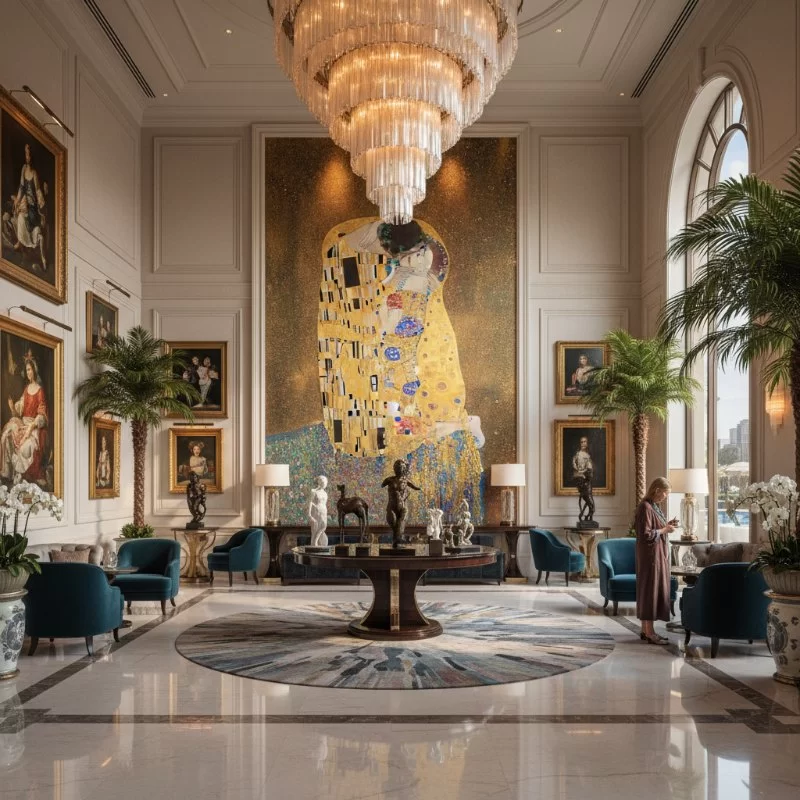
How to Integrate Art into Architectural Designs
- Importance of Art in Architecture
- Types of Artistic Elements in Architecture
- Collaborating with Artists for Effective Design
- Case Studies of Successful Integration
- Tips for Designers and Architects
Importance of Art in Architecture
Integrating art into architectural designs is not just about adding decoration; it’s about enhancing the environment and evoking emotion. Art within architecture can transform an otherwise functional space into a memorable experience. Whether it’s through sculptures, murals, or the very design of the building itself, art influences how people interact with their surroundings and can elevate the architectural experience.
1. Cultural and Historical Context
Art has been an essential part of architecture for centuries, representing the culture, history, and identity of a place. From the intricate carvings on ancient temples to modern public art installations, the relationship between art and architecture has always been a means to communicate cultural values and historical significance.
2. Creating Emotional Connections
Art adds an emotional layer to architecture. By incorporating art, architects can create spaces that resonate with individuals on a deeper, more personal level. A well-placed mural or sculpture can evoke nostalgia, awe, or inspiration, turning a building into a place of connection and belonging.
Types of Artistic Elements in Architecture
There are many ways to integrate art into architecture, ranging from traditional sculptures to digital installations. Here are some of the most common artistic elements used in architectural designs:
1. Sculptures
Sculptures can be used to make a bold statement in both interior and exterior spaces. Whether it’s a small decorative piece or a large installation, sculptures add a sense of personality to a building. Famous examples include the glass sculptures at the Louvre in Paris or the outdoor installations at The Getty Center in Los Angeles.
2. Murals and Paintings
Murals and paintings are a powerful way to integrate color and storytelling into a space. Artists can create vibrant, dynamic visuals that communicate a narrative, enhancing the mood of the environment. These artworks can be designed to reflect the culture or the function of the building itself.
3. Architectural Features as Art
Sometimes, art is not just an addition to architecture, but an inherent part of its design. The very structure of a building can be artistic. Iconic examples include the flowing curves of Frank Gehry’s buildings or the intricate detailing of Gothic cathedrals. Architecture itself can be a form of art, where function and aesthetics come together seamlessly.
4. Digital Art and Interactive Installations
With the advancement of technology, digital art and interactive installations have become increasingly popular in architectural design. These pieces often involve video projections or LED displays that change and interact with the environment. They offer a dynamic experience for viewers, allowing the space to evolve continuously.
Collaborating with Artists for Effective Design
Integrating art into architecture is not a solo endeavor; it requires collaboration between architects, artists, and designers. By working together, these professionals can ensure that the artistic elements align with the building's function, style, and message. Collaboration ensures that the artwork enhances the architecture rather than detracts from it.
1. Understanding the Vision
It’s essential for architects and artists to share a common vision from the outset. Whether it’s a large-scale sculpture or a small mural, understanding the purpose of the artwork and how it fits into the building’s overall concept will lead to a more harmonious design.
2. The Role of the Artist
Artists bring unique skills and perspectives to a project. Their ability to think creatively and interpret space through color, texture, and form is invaluable. Architects should trust the artist’s expertise while also ensuring the art complements the architectural design and function.
3. Budget and Space Considerations
It’s important to work within the project’s budget and spatial constraints. Sometimes, simple artistic elements such as custom tile designs or locally sourced art can achieve the desired effect without requiring significant expenditure.
Case Studies of Successful Integration
Looking at real-life examples of art integrated into architecture can provide inspiration and insight into how these elements work in practice. Here are a few notable case studies:
1. The Louvre Pyramid
Architect Ieoh Ming Pei’s glass pyramid at the entrance of the Louvre Museum is a perfect example of how modern art can seamlessly merge with classical architecture. The pyramid is both a functional entrance and a stunning visual statement, demonstrating how contemporary art can coexist with historical structures.
2. The Guggenheim Museum, New York
The Guggenheim Museum, designed by Frank Lloyd Wright, is itself an iconic work of architecture. The spiral shape of the building creates a flowing, almost artistic experience as visitors move through the space, with art displayed in unique, non-traditional ways.
Tips for Designers and Architects
For architects and designers looking to integrate art into their projects, here are a few tips to ensure success:
1. Start Early in the Design Process
Art should be considered early in the design process to allow for seamless integration. The earlier you incorporate art, the better you can ensure it complements the space, both aesthetically and functionally.
2. Think Beyond Traditional Art
Consider incorporating non-traditional forms of art into your designs, such as lighting installations, interactive spaces, or even sound art. These innovative approaches can create a unique experience for those interacting with the space.
3. Keep the Audience in Mind
Different buildings attract different types of people. When choosing art for a space, think about who will be using it and how the art can enhance their experience. Whether it’s calming art for a healthcare facility or vibrant, bold designs for a public square, the art should reflect the building’s purpose and the people it serves.