

How to Integrate Modern Trends in Classic Architecture
- 1 - Why Classic Architecture Still Matters
- 2 - What is Modern Architecture?
- 3 - Blending Modern Elements with Classic Design
- 4 - Real-Life Examples of Modern and Classic Blends
- 5 - Challenges in Integrating Modern and Classic Architecture
- 6 - How to Pull Off a Successful Blend of Modern and Classic Architecture
1 - Why Classic Architecture Still Matters
Classic architecture, with its timeless beauty, continues to inspire and influence design even in today’s modern world. I’ve always admired the grandeur of classical buildings—whether it’s the intricate columns of Greek Revival structures or the symmetrical elegance of Georgian houses. The appeal lies in their enduring sense of harmony, proportion, and craftsmanship. These timeless characteristics are why classic architecture still holds a special place in the hearts of architects, designers, and homeowners alike.
While modern trends offer innovation and creativity, classic architecture provides a sense of stability and tradition that resonates deeply with people. As a designer, I’ve found that integrating these elements with modern features creates a beautiful balance—one that honors the past while embracing the future.
2 - What is Modern Architecture?
Modern architecture emerged in the early 20th century as a response to the ornamental styles of the past. With clean lines, open spaces, and a focus on functionality, modern design emphasizes simplicity and the use of new materials like steel, glass, and concrete. In my experience, modern architecture is about pushing boundaries and creating spaces that feel light, airy, and connected to nature.
The beauty of modern architecture is that it can be adapted to fit any context—urban or rural. It’s not limited by tradition, allowing for more flexible and innovative design choices. As someone who appreciates both the old and the new, I’ve found that modern design offers exciting opportunities to integrate technology, sustainability, and aesthetics in fresh ways.
3 - Blending Modern Elements with Classic Design
The key to incorporating modern trends into classic architecture is to carefully blend the two styles while preserving the essence of both. This can be a delicate process, but when done right, it creates a design that feels both timeless and contemporary. Here are a few ways I’ve successfully mixed modern and classic design elements:
1. Contrast of Materials
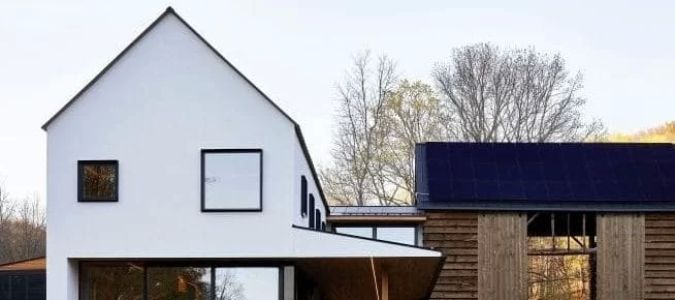
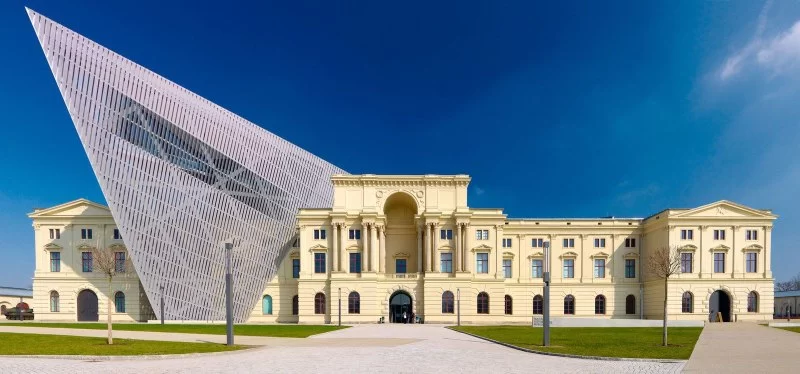
One of the most effective ways to blend modern and classic architecture is by contrasting materials. For example, pairing sleek glass windows with traditional stone or brick can create a stunning visual effect. I’ve used this technique in several projects, where modern glass walls were integrated with classical brick facades, creating a sense of lightness without compromising the classic charm.
2. Open Floor Plans with Classic Accents
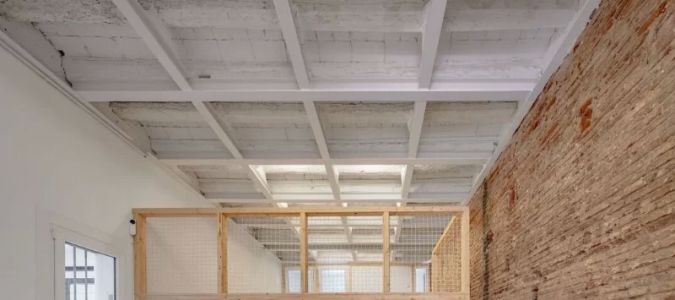
Classic homes often feature compartmentalized rooms with defined spaces, but modern architecture embraces open floor plans. By opening up the space, we allow for more light and flow, while still preserving classic architectural accents like crown molding or wainscoting. This blend of space and detail is something I’ve found works beautifully in creating an inviting, yet sophisticated home environment.
3. Incorporating Natural Light
Modern architecture places a high emphasis on natural light, with large windows and open spaces designed to bring the outside in. In classic homes, I’ve seen how adding expansive windows or even a skylight can modernize the look without disrupting the traditional feel. This infusion of natural light brightens up a space, making it feel more open and connected to its surroundings.
4 - Real-Life Examples of Modern and Classic Blends
One of the most inspiring aspects of blending modern and classic architecture is seeing how it comes to life in real buildings. Over the years, I’ve come across several projects that beautifully combine the two styles. Here are a few examples that stand out:
1. The Modern Classic Home in New York
In a recent project in New York, I worked on a classic brownstone that was updated with modern touches. The original architecture featured elegant moldings and a traditional façade, but the interiors were transformed with an open floor plan, sleek stainless steel finishes, and minimalist furniture. The result was a home that retained its historic charm but felt fresh and contemporary. This kind of design shows how modern elements can complement classic ones without losing the essence of the original structure.
2. The Glass and Stone Mansion in California
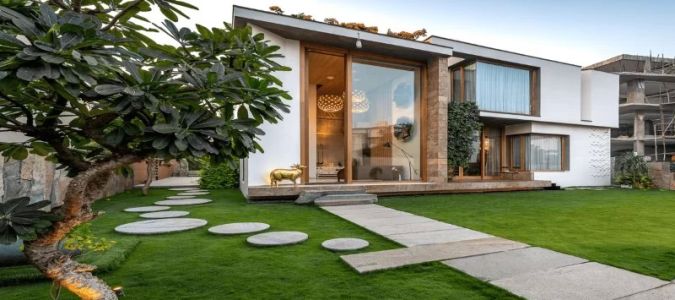
In California, I’ve seen beautiful examples of modern designs that integrate classic materials. One such project was a mansion that combined the classic elegance of stone columns with floor-to-ceiling glass walls. The transparency of the glass modernized the structure, allowing views of the surrounding landscape, while the stone columns grounded the home in tradition. This combination of materials created a seamless flow between the interior and exterior, enhancing both functionality and aesthetic appeal.
3. A Parisian Apartment with a Modern Twist
In Paris, I encountered an apartment renovation that blended classic French architectural details with modern design. The high ceilings and ornate moldings were preserved, but the furniture and lighting fixtures were sleek and modern. The overall effect was a chic, sophisticated space that felt both timeless and trendy—proving that classic and modern styles can coexist in harmony.
5 - Challenges in Integrating Modern and Classic Architecture
While blending modern and classic architecture can be incredibly rewarding, it also comes with challenges. One of the biggest hurdles is ensuring that the modern elements don’t overwhelm the classic features. It’s easy to fall into the trap of using too many modern touches that clash with the traditional design. I’ve learned over the years that balance is key—too much of one style can diminish the beauty of the other.
Another challenge is preserving the integrity of the classic design while updating it with modern elements. It’s important to consider the historical significance of the architecture and make design choices that respect its original structure. In some cases, this may mean working with preservation specialists to ensure that any modifications are done tastefully and responsibly.
6 - How to Pull Off a Successful Blend of Modern and Classic Architecture
If you’re planning to blend modern and classic elements in your own home, there are a few essential steps to take. Based on my experience, here are some tips for creating a design that seamlessly integrates both styles:
1. Focus on Key Features
When blending modern and classic styles, it’s important to choose which elements to highlight. I’ve found that focusing on key features—like modern furniture paired with classic architectural details—creates a more cohesive and balanced look. This allows each style to shine without overwhelming the other.
2. Maintain Proportions and Scale
One of the most important aspects of blending these two styles is maintaining proper proportions and scale. Classic architecture often features larger, more imposing details, while modern design emphasizes simplicity. When combining them, be sure to adjust the scale of the furniture and decor to match the space’s proportions. This ensures that everything feels in harmony.
3. Collaborate with Experts
If you’re unsure how to integrate modern and classic architecture in your home, consider collaborating with an architect or interior designer. Professionals can help you navigate the challenges of blending these styles while maintaining the integrity of your home. I’ve worked with several architects who specialize in this area and have found that their expertise can make all the difference in achieving a successful design.
If you’re looking for inspiration or expert advice on integrating modern trends into classic architecture, visit 10 Jay Street for the best products and services that can help bring your vision to life!