

How to Integrate Nature and Technology in Modern Architectural Designs
In today’s world, the fusion of nature and technology in architecture has become not just a trend, but a necessity. As an architect myself, I’ve witnessed firsthand how blending natural elements with advanced technologies can lead to groundbreaking designs that are both aesthetically pleasing and environmentally sustainable. This balance between the organic world and cutting-edge technology is reshaping the future of modern architecture. In this article, I’ll dive deep into how architects can effectively integrate these elements to create functional, beautiful, and sustainable spaces.
The Growing Need for Nature-Technology Integration in Architecture
The demand for eco-conscious designs has risen significantly in recent years. Urban spaces, in particular, have become less connected to nature, leading to a disconnect between the built environment and the natural world. However, modern architecture has the power to reconnect these elements. By integrating nature into urban designs, we create spaces that are healthier for their inhabitants and the planet. Simultaneously, the use of technology allows us to manage energy efficiency, waste reduction, and overall environmental impact, making buildings not just aesthetically pleasing but also sustainable in the long term.
Environmental Sustainability: The Core of Nature-Technology Integration
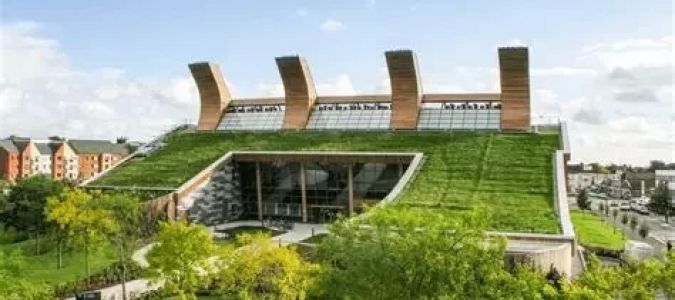
One of the most compelling reasons to integrate nature and technology is the focus on environmental sustainability. As I’ve seen in various projects, nature-inspired designs combined with green technologies can drastically reduce a building’s carbon footprint. For example, incorporating green roofs or vertical gardens not only brings nature into the urban environment but also helps regulate temperatures, reduce energy consumption, and manage stormwater. Advanced technologies, such as smart thermostats, automated lighting, and solar panels, contribute by reducing the need for non-renewable energy sources, making buildings more self-sufficient and eco-friendly.
Biophilic Design: Bringing the Outdoors In
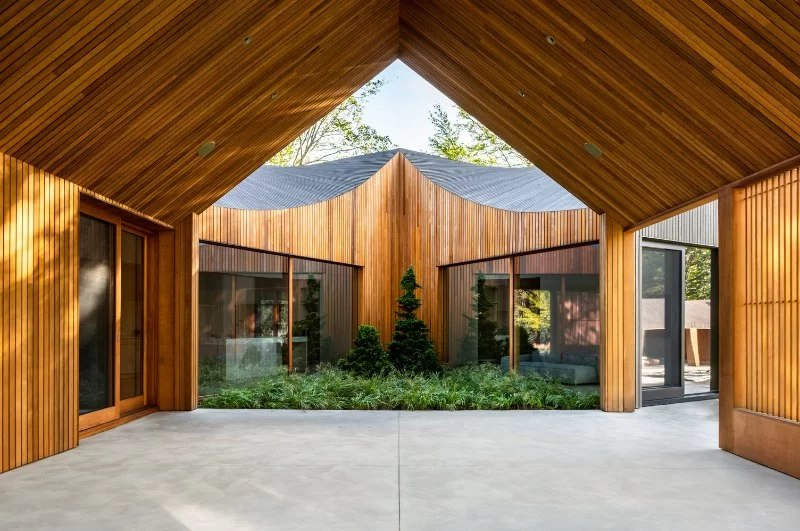
Biophilic design is a concept that aims to connect building occupants with the natural world through direct or indirect nature experiences. I’ve personally worked on several projects that have embraced biophilic elements such as natural wood finishes, indoor plants, and large windows that open up to lush greenery. These designs not only promote well-being and creativity but also enhance the overall aesthetic of a building. The use of technology in biophilic design further enhances this connection. Automated window systems that adjust based on the amount of natural light, or humidity-controlling systems that mimic natural ventilation, are examples of how technology can support nature within architectural spaces.
Innovative Examples of Nature and Technology Integration
Now that we’ve explored why it’s important to integrate nature and technology, let’s take a closer look at some real-world examples where this integration is thriving. These projects serve as a great source of inspiration for anyone looking to combine these two powerful forces in architecture:
The Bosco Verticale, Milan, Italy
The Bosco Verticale (Vertical Forest) is a stunning example of how nature and technology can coexist within an urban setting. Designed by Stefano Boeri, this pair of residential towers is adorned with over 9,000 trees, 5,000 plants, and 11,000 shrubs. The innovative design incorporates smart irrigation systems and energy-efficient technologies to create a self-sustaining ecosystem within the building. The result is a stunning visual statement that not only integrates nature but also reduces air pollution and improves biodiversity in the heart of Milan.
The Eden Project, Cornwall, UK
The Eden Project is another remarkable example of integrating nature and technology. This massive biomes complex houses various ecosystems from around the world, with a focus on plant species. The geodesic domes are made from hexagonal and pentagonal panels, designed to optimize natural sunlight and temperature control. Using cutting-edge climate technology, the biomes maintain perfect conditions for plant life, while the structure itself promotes sustainability by harnessing solar power and rainwater. The Eden Project is a testament to how technology can protect and nurture nature within architecture.
The Crystal, London, UK
The Crystal is a state-of-the-art building in London that focuses on sustainable design and smart technology. Home to the world’s largest exhibition on urban sustainability, The Crystal uses green technologies like energy-efficient systems, smart glass windows, and a high-performance HVAC system. The building also incorporates biophilic design elements, with indoor greenery and water features to connect visitors with nature. It serves as a hub for urban innovation and a model for integrating nature and technology in a sustainable way.
Tips for Designing with Nature and Technology in Mind
Having worked on several projects where I was tasked with integrating nature and technology, I’ve learned a few key tips that can help anyone looking to take on a similar design challenge:
1. Prioritize Energy Efficiency
When designing with sustainability in mind, energy efficiency should be your first consideration. This can be achieved through passive design strategies such as proper insulation, strategically placed windows for natural light, and the use of solar panels or wind turbines for energy generation. Integrating smart technologies that monitor energy use and adjust accordingly can also significantly reduce the building's environmental impact.
2. Use Natural Materials
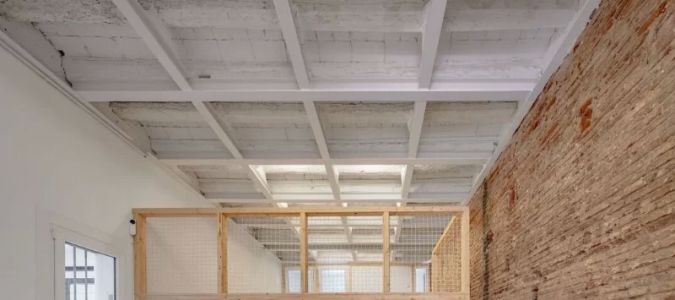
Whenever possible, opt for natural materials like wood, stone, and clay, which are not only aesthetically pleasing but also sustainable. These materials have a lower environmental impact than synthetic alternatives, and their tactile qualities bring a natural warmth to the space. I’ve always found that the use of natural textures creates a harmonious balance between nature and technology, especially when combined with modern, minimalistic design.
3. Incorporate Green Spaces
Whether it’s a rooftop garden, an interior plant wall, or a courtyard filled with trees, incorporating green spaces into your design not only enhances the aesthetic appeal of the building but also improves the overall quality of life for its occupants. Green spaces have been shown to reduce stress and improve air quality, so they are a key element in modern architectural design.
4. Embrace Smart Technology
Technology plays a crucial role in ensuring sustainability. From smart thermostats that regulate energy usage to automated systems that control lighting and climate, embracing smart technology can help reduce a building's carbon footprint. These systems allow us to use resources more efficiently while maintaining comfort and convenience.
When integrating nature and technology in your designs, it's important to strike a balance. The goal should be to create environments that are both functional and beautiful, enhancing the experience of the people who occupy the space. If you're looking for inspiration or need expert advice on how to bring your project to life, check out 10 Jay Street for professional insights and top-tier design services.