

- 1-Understanding-Sustainable-Architecture-With-Solar-Power
- 2-Why-Solar-Energy-Is-Changing-Modern-Architecture
- 3-Design-Strategies-To-Integrate-Solar-Power-Into-Buildings
- 4-Real-World-Examples-Of-Solar-Sustainable-Architecture
- 5-Planning-A-Solar-Powered-Sustainable-Building
1. Understanding Sustainable Architecture With Solar Power
Architecture has always reflected the priorities of its time. In the past, buildings focused primarily on durability and aesthetics. Today, the conversation has shifted toward sustainability, energy efficiency, and environmental responsibility. One of the most impactful ways architects and developers are approaching this change is by learning how to make architecture more sustainable with solar power.
Solar power has transformed from a niche technology into a central component of sustainable building design. When thoughtfully integrated into architecture, solar systems can reduce energy consumption, lower operating costs, and dramatically decrease a building’s environmental footprint. For architects, developers, and even homeowners interested in green building practices, solar-powered architecture offers both practical and creative opportunities.
1.1 The Role of Renewable Energy in Modern Buildings
Buildings account for a significant percentage of global energy consumption. Heating, cooling, lighting, and powering modern spaces require large amounts of electricity. By incorporating solar energy architecture solutions, buildings can generate clean power directly from sunlight.
Instead of relying entirely on fossil-fuel-generated electricity, solar panels and photovoltaic systems allow buildings to produce renewable energy onsite. This shift reduces greenhouse gas emissions while improving long-term energy independence.
1.2 The Growing Demand for Sustainable Building Design
Over the past decade, demand for eco-friendly architecture has grown rapidly in the United States. Cities, universities, and private developers are increasingly adopting green building standards. Certifications such as LEED and other sustainability frameworks encourage designers to incorporate renewable energy solutions like solar power into their projects.
What once felt like a futuristic concept has now become a practical design strategy.
2. Why Solar Energy Is Changing Modern Architecture
The adoption of solar energy in architecture is not just about technology. It is also changing the way architects think about form, orientation, and building performance.
2.1 Energy Independence for Buildings
One of the most compelling reasons to integrate solar power for buildings is energy independence. Buildings equipped with solar systems can generate a significant portion of their own electricity.
For commercial spaces and residential projects alike, this reduces reliance on external energy sources and provides protection against rising energy costs.
2.2 Environmental Impact and Carbon Reduction
Solar-powered architecture plays a critical role in reducing carbon emissions. Unlike traditional power plants, solar systems generate electricity without burning fossil fuels. This makes them an essential component of sustainable architecture strategies.
Many cities are now encouraging solar integration architecture projects as part of climate action plans. Buildings that generate renewable energy contribute directly to cleaner urban environments.
2.3 Long-Term Financial Benefits
While installing solar panels requires an initial investment, the long-term financial benefits are significant. Solar systems can dramatically reduce electricity bills over time.
In many regions, government incentives and tax credits further improve the financial feasibility of solar installations. For building owners and developers, this combination of savings and environmental responsibility creates a compelling value proposition.
3. Design Strategies To Integrate Solar Power Into Buildings
Successfully integrating solar power into architecture requires careful planning during the design phase. Architects must consider building orientation, materials, and overall energy performance.
3.1 Passive Solar Design Principles
Passive solar design focuses on maximizing natural sunlight for heating and lighting. This strategy reduces energy consumption before solar panels even enter the equation.
Key principles include:
1. Orienting buildings to capture optimal sunlight exposure.
2. Designing windows and glazing to allow natural light while minimizing heat loss.
3. Using thermal mass materials that store and release heat efficiently.
These strategies work together to create buildings that naturally maintain comfortable indoor temperatures.
3.2 Photovoltaic Panel Integration
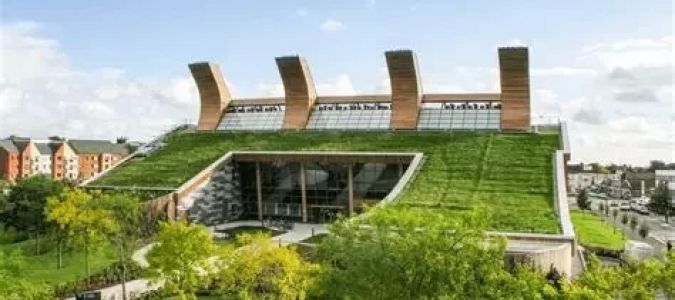
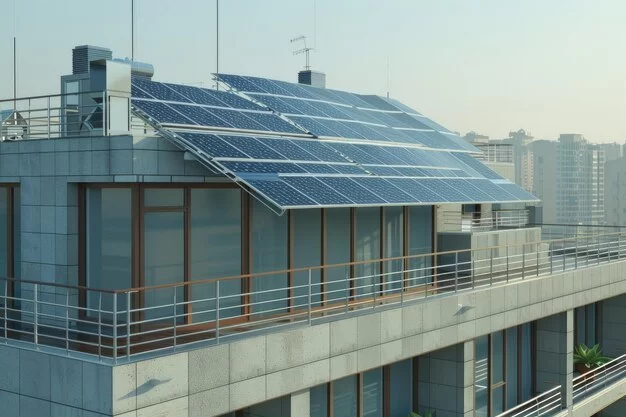
Traditional rooftop solar panels remain one of the most common solutions for solar sustainable homes and commercial buildings. However, modern architectural approaches increasingly incorporate panels directly into building materials.
Examples include:
1. Solar roof tiles that blend seamlessly into roofing systems.
2. Photovoltaic glass panels integrated into building facades.
3. Solar canopies used in parking structures or outdoor spaces.
These solutions allow renewable energy technology to become a natural part of the architectural design rather than an afterthought.
3.3 Smart Energy Systems and Storage
Solar power becomes even more effective when combined with smart energy systems and battery storage. Energy generated during peak sunlight hours can be stored and used later in the day.
This helps buildings maintain a stable energy supply while reducing dependence on traditional power grids.
4. Real World Examples Of Solar Sustainable Architecture
To understand the real potential of solar architecture, it helps to look at successful projects already using these technologies.
4.1 Solar Powered Residential Communities
Across the United States, several residential developments now feature solar-powered homes designed for maximum efficiency. These homes often combine rooftop panels, high-performance insulation, and smart energy management systems.
Homeowners in these communities often report significantly lower utility bills while enjoying environmentally responsible living.
4.2 Commercial Buildings Using Solar Facades
Some commercial buildings now incorporate photovoltaic panels directly into their facades. These solar-integrated facades serve both aesthetic and functional purposes.
Instead of hiding solar technology, architects highlight it as part of the building’s visual identity.
4.3 Innovative Urban Architecture
In cities such as New York, modern developments are experimenting with advanced solar integration strategies. Projects like those around 10 Jay Street demonstrate how architecture, sustainability, and technology can intersect in urban environments.
Spaces connected to hubs like 10 Jay Street often showcase forward-thinking design approaches where renewable energy and sustainable architecture become part of the building’s core concept rather than an add-on feature.
5. Planning A Solar Powered Sustainable Building
For architects, developers, and property owners interested in implementing solar power, thoughtful planning is essential.
5.1 Conducting an Energy Analysis
The first step is understanding how much energy a building consumes. Energy modeling software can help estimate energy needs and determine how much solar capacity is required.
This data-driven approach allows designers to optimize system size and placement.
5.2 Working With Sustainability Experts
Sustainable architecture often requires collaboration between architects, engineers, and renewable energy specialists. These professionals help ensure solar systems are properly integrated into structural design and building infrastructure.
Early collaboration improves efficiency and prevents costly redesigns later in the project.
5.3 Designing for the Future of Green Architecture
Solar energy is just one component of a broader sustainable architecture strategy. When combined with energy-efficient materials, smart systems, and thoughtful urban planning, solar-powered buildings can dramatically reduce environmental impact.
As the demand for green building continues to grow, solar integration will likely become a standard feature in modern architectural design. Understanding how to make architecture more sustainable with solar power is no longer just an innovative idea—it is becoming a necessary step toward a more responsible and resilient built environment.