

How to Make Your Home More Eco-Friendly with Architectural Design
As we become more aware of our environmental impact, many homeowners are looking for ways to make their homes more eco-friendly. One of the most effective ways to reduce your carbon footprint and enhance sustainability is through architectural design. By making strategic choices about how your home is designed and constructed, you can significantly reduce energy consumption, improve efficiency, and create a healthier living environment. Over the years, I’ve learned a lot about integrating eco-friendly principles into home design, and I want to share some of the most impactful strategies with you. Whether you're renovating or building a new home, these design tips can help you create a space that’s as sustainable as it is beautiful.
- Energy-Efficient Design Strategies
- Choosing Sustainable Materials
- Real-Life Eco-Friendly Design Success Stories
1. Energy-Efficient Design Strategies
When I first started learning about eco-friendly home design, I was amazed by how many small changes can have a big impact on energy consumption. Energy efficiency is one of the most important aspects of creating an eco-friendly home. From insulation to natural lighting, there are many ways to design your home to use less energy and reduce your overall environmental footprint.
1.1 Passive Solar Design
One of the most effective ways to reduce energy costs is by incorporating passive solar design into your home. Passive solar design uses the sun’s energy for heating and cooling without relying on mechanical systems. By positioning windows and designing spaces that maximize natural sunlight, you can reduce the need for artificial lighting and heating. I’ve seen firsthand how strategic window placement and thermal mass can keep a home comfortable year-round while using less energy. For example, large south-facing windows in colder climates can capture sunlight during the winter, providing free heating during the day.
1.2 Smart Home Technologies
Incorporating smart technologies into your home design can make a huge difference in energy efficiency. Thermostats, lighting systems, and appliances that can be controlled remotely allow you to monitor and adjust energy use. I’ve personally installed smart thermostats in my home, and the ability to adjust the temperature while away has significantly reduced my energy consumption. Automated lighting that adjusts based on occupancy is another way to ensure you’re not wasting electricity in empty rooms.
1.3 Insulation and Window Efficiency
High-quality insulation and energy-efficient windows are essential to reducing heating and cooling costs. By improving the insulation in your home, you can keep the temperature stable, reducing the need for air conditioning or heating. Choosing double-glazed or triple-glazed windows can help prevent heat loss during the winter and keep your home cool during the summer. I’ve found that investing in good insulation and windows not only helps the environment but also makes a noticeable difference in my energy bills.
2. Choosing Sustainable Materials
The materials you use in your home play a significant role in both the environmental impact and the overall sustainability of the design. Opting for sustainable, renewable, and non-toxic materials can drastically reduce your home’s environmental footprint. I’ve always found that sustainable materials not only contribute to a healthier planet but often add beauty and uniqueness to a space.
2.1 Sustainable Wood and Bamboo
Wood is a classic material in home design, but it can be a significant environmental concern if not sourced responsibly. I’ve learned that choosing sustainably harvested wood or bamboo can help reduce deforestation and the negative impact of the timber industry. Bamboo, in particular, is a fast-growing plant that is highly renewable and can be used in flooring, cabinetry, and furniture. Sustainable wood options like FSC-certified lumber are another great alternative, ensuring that the wood used in construction comes from responsibly managed forests.
2.2 Recycled and Upcycled Materials
Recycling and upcycling materials is a great way to reduce waste while creating a unique and eco-friendly design. I’ve used reclaimed wood for furniture and flooring in my home, and it adds so much character while being a sustainable option. Additionally, using recycled glass, metal, and concrete can help reduce the demand for new materials, conserving natural resources and reducing environmental impact. Reclaimed bricks and tiles can also be used in construction to create a rustic, eco-conscious feel.
2.3 Non-Toxic Paints and Finishes
One of the easiest ways to make your home more eco-friendly is by choosing non-toxic paints and finishes. Traditional paints can release harmful chemicals into the air, affecting both your health and the environment. I always opt for low-VOC (volatile organic compound) or zero-VOC paints, which are free from harmful chemicals and have a minimal environmental impact. These paints are available in a wide range of colors and finishes, so you don’t have to compromise on style while creating a healthier living environment.
3. Real-Life Eco-Friendly Design Success Stories
To truly understand how architectural design can make a home more eco-friendly, it helps to look at real-life examples. Below are a couple of stories of homeowners who transformed their spaces with sustainable design principles:
3.1 The Green House in Portland
A couple in Portland, Oregon, decided to build their dream home with a focus on sustainability. They integrated passive solar design by using large windows to capture sunlight, added rainwater harvesting systems, and opted for recycled materials throughout the house. They also chose energy-efficient appliances and implemented smart home technologies. After just one year of living in their eco-friendly home, they saw a 40% reduction in their energy bills and were thrilled with the comfort and low environmental impact of their new space.
3.2 The Sustainable Family Home in California
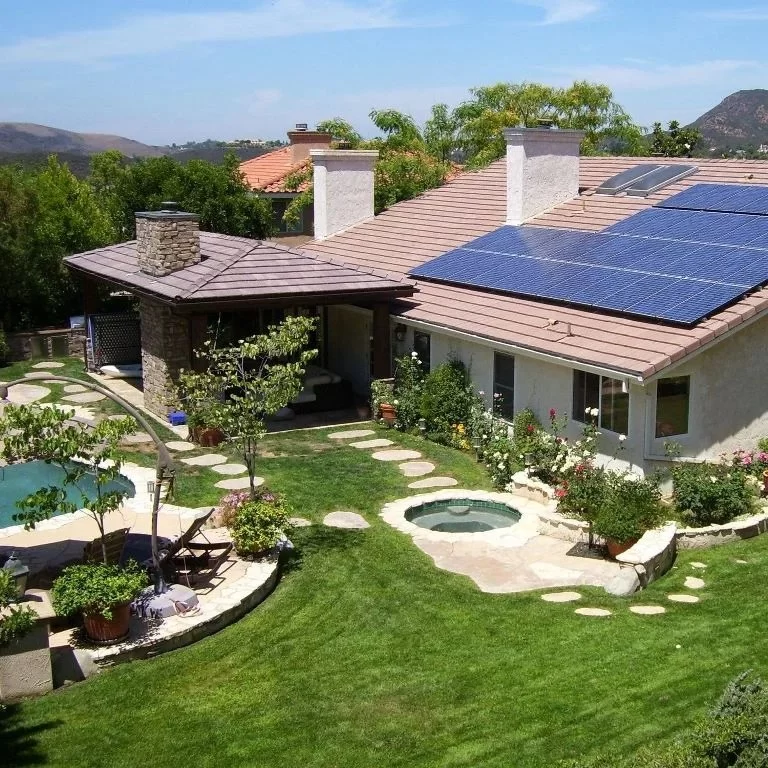
In California, a family of four decided to renovate their home with eco-friendly features. They replaced all of their old windows with energy-efficient double-glazed windows, added insulation, and installed a solar panel system. The family also chose non-toxic paints and finishes and used sustainable wood for their furniture and flooring. As a result, they not only reduced their carbon footprint but also noticed an improvement in air quality and energy savings. The family’s commitment to sustainability also inspired their community to take similar steps toward greener living.
If you’re interested in learning more about sustainable design or need help finding eco-friendly products, check out 10 Jay Street for a curated selection of items and services designed to help you create a more eco-conscious home.