

How to Plan Your Dream Home with the Help of an Architect
Building your dream home is an exciting yet challenging process. It’s a huge investment of time, money, and energy, and planning every detail to perfection is essential for ensuring your dream home becomes a reality. While many people think they can take on the task themselves, working with an architect is often the best way to bring your vision to life. Architects are trained professionals who can guide you through every step of the process, from initial design to final construction. In this article, we will explore how you can plan your dream home with the help of an architect and why it's an investment worth making.
1. Understanding the Role of an Architect
Before diving into the planning process, it’s important to understand what an architect does and how they can help you. An architect’s role is to take your ideas and turn them into a functional, beautiful design that adheres to building codes and regulations. They’ll also help you navigate zoning laws, provide technical drawings, and ensure the construction process runs smoothly.
Architects are also experts in space planning, which is crucial when designing a home. They will make sure your home maximizes the use of space and fits within your budget. Additionally, architects can offer valuable advice on sustainable building practices and energy-efficient design, which can save you money in the long run.
2. The Planning Process: How to Collaborate with an Architect
Once you’ve decided to hire an architect, it’s time to start planning your dream home. The process typically unfolds in several key stages, and understanding each phase can help you stay organized and on track. Here’s how you can collaborate with your architect:
2.1 Initial Consultation
The first step is to meet with your architect for an initial consultation. During this meeting, you’ll discuss your vision for the home, including the style, size, and functionality you want. Your architect will ask questions about your lifestyle, preferences, and any specific requirements, such as accessibility or eco-friendly features.
In addition to discussing your ideas, your architect will likely take measurements of the space you want to build on. They’ll also evaluate the site’s condition, including soil quality, topography, and surrounding environment, to ensure it’s suitable for construction.
2.2 Concept Design and Budget Planning
Once your architect has a clear understanding of your needs, they will begin creating a concept design. This stage involves sketching out preliminary designs that reflect your vision. The architect will consider factors like natural light, ventilation, and flow to make sure the design works harmoniously with the space.
At this stage, you’ll also discuss your budget. Architects can help you establish a realistic budget by providing an estimated cost based on the design and materials. If your design exceeds your budget, the architect will make adjustments to ensure the project stays within your financial limits without compromising on quality.
2.3 Detailed Design Development
Once you’ve settled on a concept design, the next phase is to refine the details. This is where the architect will create detailed blueprints and 3D models to illustrate the final design. They’ll select the materials, finishes, and fixtures that fit both your aesthetic preferences and your budget.
During this stage, your architect will also help you choose the right contractors and specialists, such as structural engineers or interior designers, to ensure the project progresses smoothly. They’ll also guide you through the permit and approval process, working with local authorities to make sure your design meets all zoning laws and building codes.
2.4 Construction and Project Management
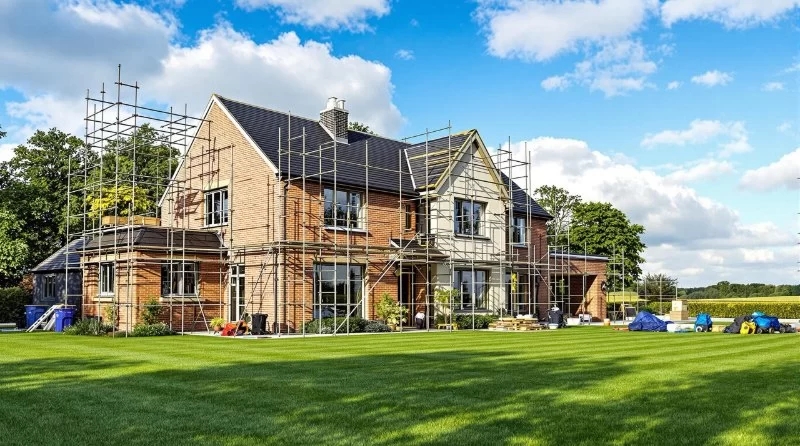
With the design finalized and permits in place, the construction phase begins. While your architect is not usually responsible for physically building the home, they play a key role in overseeing the construction process. They’ll visit the site regularly to ensure that the work is progressing according to plan and that the quality meets their standards.
Your architect will also coordinate with the builder and subcontractors to address any issues that may arise during construction. If any design changes or unexpected challenges occur, they’ll help you find solutions that align with your original vision and goals.
3. Why You Should Work with an Architect
Planning your dream home can be a complex process, but the value an architect brings to the table makes it worthwhile. Here are some key reasons why you should work with an architect:
3.1 Expertise in Design and Functionality
Architects are trained to create designs that are both aesthetically pleasing and highly functional. They know how to make the most of a space, ensuring that every square foot is used effectively. Whether you’re looking for an open-plan layout or need help with storage solutions, an architect will help you achieve a design that fits your needs.
3.2 Budget Management
One of the biggest challenges of building a home is staying within budget. Architects are experts in estimating costs and can help you avoid expensive mistakes. They’ll work with you to find the most cost-effective solutions while still delivering a high-quality design.
3.3 Compliance with Building Codes
Building codes and regulations can be complex and vary from location to location. An architect is familiar with these rules and will ensure your design complies with all relevant building codes. This not only ensures that your home is safe but also prevents costly delays during construction due to code violations.
4. Real-Life Example: A Dream Home Brought to Life
Take the case of Sarah and John, who wanted to build a modern farmhouse with an open-concept living area and a spacious kitchen. They had a clear vision but weren’t sure how to make it work within their budget. After consulting with an architect, they were able to design a home that maximized space and natural light while staying within their financial limits. Their architect also helped them select energy-efficient materials and appliances, which saved them money on utilities in the long run.
This story highlights how an architect can take your dreams and turn them into a tangible design that not only meets your needs but also exceeds your expectations.
If you're ready to start planning your dream home, consider visiting 10 Jay Street for expert advice and design services that will help you bring your vision to life.