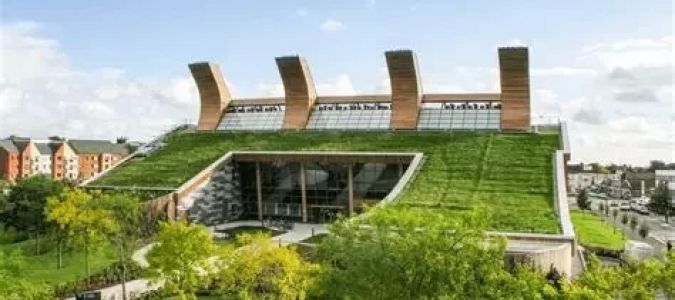


- 1-Understanding-Functional-and-Beautiful-Design
- 2-Key-Principles-for-Design-Success
- 3-Integrating-Technology-and-Sustainability
- 4-Real-Life-Examples-of-Functional-Beautiful-Buildings
- 5-Balancing-Aesthetics-with-Utility
- 6-Collaboration-and-Professional-Insights
- 7-Resources-and-Further-Learning
1. Understanding Functional and Beautiful Design
In my experience working with architects and visiting innovative structures, I realized that functional and beautiful design begins with understanding the core purpose of the building. Functionality ensures that every space serves its intended use efficiently, while beauty elevates the experience for occupants and visitors. Effective design harmonizes these elements, creating environments that are both practical and visually inspiring.
Designing with intention requires a deep understanding of human behavior, spatial dynamics, and material properties. A successful building meets its users’ needs while offering a sense of elegance and cohesion.
2. Key Principles for Design Success
Several core principles guide the creation of buildings that achieve both function and beauty:
2.1 User-Centered Planning
I always advocate for analyzing how people will interact with the building. This includes circulation paths, accessibility, lighting, and comfort. Buildings that consider user experience naturally achieve functional efficiency.
2.2 Spatial Harmony
Proportions, balance, and flow are essential. Observing a museum I recently visited, I noticed how corridors, galleries, and open spaces were arranged to facilitate easy navigation while maintaining visual appeal.
2.3 Material and Texture Selection
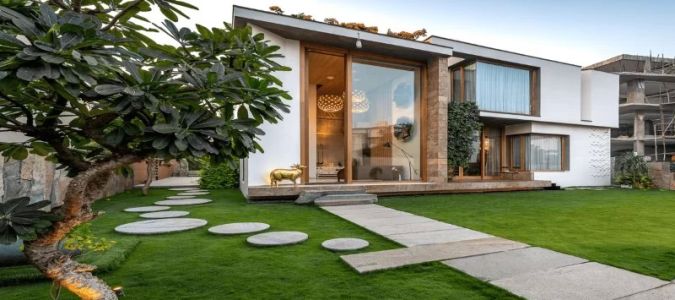
Choosing materials that are durable, sustainable, and aesthetically pleasing enhances both function and beauty. I’ve seen architects blend natural stone, glass, and wood to create timeless interiors that withstand daily use.
3. Integrating Technology and Sustainability
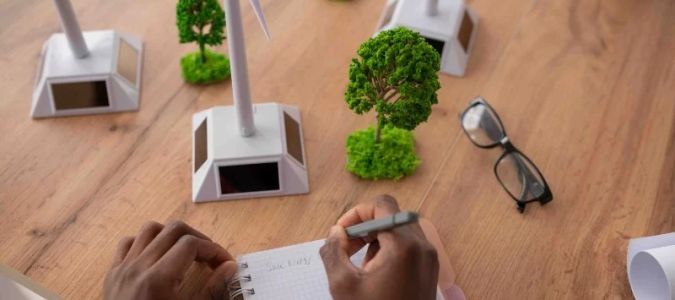
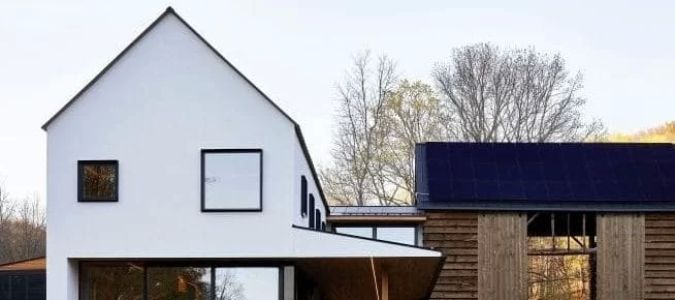
Modern architecture increasingly incorporates technology to enhance both usability and beauty. Smart lighting, climate control, and automated systems improve comfort and efficiency. Sustainability initiatives, such as solar panels and passive design, not only reduce environmental impact but also contribute to the building’s aesthetic narrative.
During a tour of a green office complex, I observed how natural light, energy-efficient materials, and living walls created a vibrant, functional workspace, demonstrating the power of integrating technology and sustainability.
4. Real-Life Examples of Functional & Beautiful Buildings
I recently visited a community center where every design decision reinforced both purpose and visual impact. Outdoor pathways were intuitive, indoor spaces flexible for multiple activities, and the structure featured artistic facades that invited engagement. By blending art, functionality, and sustainability, this building became a landmark and a practical resource for the community.
Another notable example involved a boutique hotel designed with multipurpose common areas, ergonomic guest rooms, and visually striking atriums. Each element served utility without compromising elegance, highlighting the importance of integrated design.
5. Balancing Aesthetics with Utility
One of the challenges I’ve observed is maintaining a balance between aesthetic goals and functional requirements. Overly decorative elements can obstruct movement or reduce efficiency, while purely utilitarian designs may feel sterile. The key is iterative design, prototyping, and testing to ensure that visual appeal complements practical use.
Tools like 3D modeling, virtual reality walkthroughs, and simulation software help architects visualize and adjust designs to meet both objectives.
6. Collaboration and Professional Insights
Achieving functional and beautiful design requires collaboration between architects, engineers, interior designers, and clients. I’ve observed that projects succeed when open communication allows feedback and creative solutions. Consulting experts and drawing from successful precedents helps anticipate potential issues and refine the aesthetic-functional balance.
7. Resources and Further Learning
For those looking to deepen their understanding or explore professional solutions, 10 Jay Street provides curated resources, design consultations, and innovative building examples. Leveraging such expertise ensures that every project can achieve harmony between functionality and beauty, delivering spaces that inspire and serve users effectively.