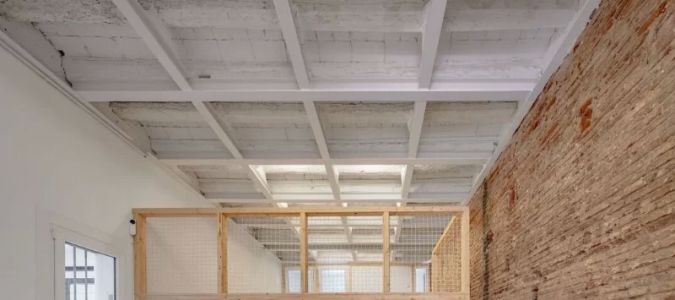



How to Work with an Architect on Your Commercial Project
When you embark on a commercial project, whether it's a new office building, a retail space, or a mixed-use development, working with an architect can make a world of difference. I’ve had the privilege of collaborating with several architects throughout my career, and each time, the process has been a blend of creativity, technical knowledge, and clear communication. In this article, I will guide you through how to effectively work with an architect, ensuring that your vision comes to life in a way that’s both functional and aesthetically pleasing.
Understanding the Role of an Architect
Before diving into the specifics of collaboration, it’s important to understand what an architect brings to the table. Architects are more than just designers – they are problem-solvers who ensure that a building is not only beautiful but also functional, safe, and sustainable. Their expertise spans design, building codes, materials, and budget management. When working on a commercial project, an architect will be responsible for drawing up plans, overseeing construction, and making sure everything meets the necessary regulations.
1. Establishing Clear Communication from the Start
The foundation of a successful relationship with your architect is clear and open communication. I’ve found that the more specific I am with my goals, the better the outcome. Before meeting with your architect, consider the following:
- Define your goals: What do you want to achieve with your commercial space? Are you focusing on aesthetics, functionality, or sustainability? Be clear about your objectives.
- Set a budget: Having a realistic budget will help your architect create a design that aligns with your financial capabilities. Be honest about what you can afford to avoid future conflicts.
- Timeline: Determine your project’s timeline. When do you expect to break ground? How long do you want the project to take? Setting expectations early can help avoid delays.
Having these details ready will enable your architect to deliver a design that meets your expectations and stays within your constraints.
2. Collaborative Design Process
Once you’ve established your vision and the basic requirements, the architect will begin designing. This is where collaboration becomes key. Architects often use initial sketches or 3D models to present their ideas. I’ve found that giving feedback at each stage is crucial. If something doesn’t feel right, it’s better to discuss it early rather than later when changes are harder to make. Throughout this process, your architect will refine the designs, taking your feedback into account, and ensuring the space meets both your aesthetic and functional needs.
Additionally, architects will likely suggest different materials, layouts, and features based on their expertise. While it’s essential to share your preferences, it’s also important to be open to their suggestions – they have experience in knowing what works well in real-world applications.
3. Understanding the Legal and Regulatory Requirements
One of the many reasons why hiring an architect is so important is their knowledge of local building codes and regulations. When working on a commercial project, there are various laws that must be followed – from zoning laws to environmental standards. An architect will ensure that your design complies with all of these regulations.
For example, I once worked on a retail project where the architect had to make significant adjustments to the original plan to meet accessibility requirements under the Americans with Disabilities Act (ADA). Working with an architect who is familiar with these codes can save you from costly delays and fines down the road.
Managing the Construction Phase
Once the design is finalized and approved, construction begins. This is often where things can get tricky – miscommunications, unplanned obstacles, or unexpected costs can arise. A good architect will manage the construction process, acting as a liaison between you and the contractors. I’ve seen firsthand how a hands-on architect can make a difference in keeping everything on track. They’ll regularly visit the site, ensure quality control, and address any issues that might come up.
1. Keeping the Project on Budget
Throughout the construction phase, it’s crucial to stay on budget. Architects work closely with contractors and suppliers to keep costs in line with the initial estimate. However, changes or unforeseen challenges can lead to increased costs. Being transparent and proactive about any adjustments will help prevent unexpected budget overruns. My advice is to communicate with your architect regularly and ensure that any changes are fully understood and agreed upon before being implemented.
2. Quality Control and Problem-Solving
During the construction process, it’s important to have someone on-site who can address problems quickly. Architects play a crucial role in this by ensuring that the contractor follows the design and uses the correct materials. I remember a project where the contractor mistakenly used the wrong paint for the exterior, and the architect quickly stepped in to have it corrected. These little details can significantly impact the final outcome, so having a professional overseeing the work can save you a lot of trouble.
Conclusion: Building a Successful Partnership with Your Architect
Collaborating with an architect on your commercial project is an exciting journey, but it requires a commitment to clear communication, trust, and mutual respect. By setting clear expectations from the beginning, staying involved throughout the design and construction phases, and relying on your architect’s expertise, you can ensure that your project runs smoothly and turns out exactly as you envisioned. Whether you’re planning a new office space, retail establishment, or mixed-use building, the right architect can bring your ideas to life and create a space that works for your business.
If you’re looking for the best architect for your commercial project, consider checking out 10 Jay Street, where you can find the most suitable professionals for your needs.