
- The Importance of Urban Architecture in Social Equity
- Historical Context of Inequitable Urban Design
- Design Principles for Promoting Social Equity
- Real-World Case Studies in Equitable Urban Architecture
- How 10 Jay Street Supports Equitable Urban Development


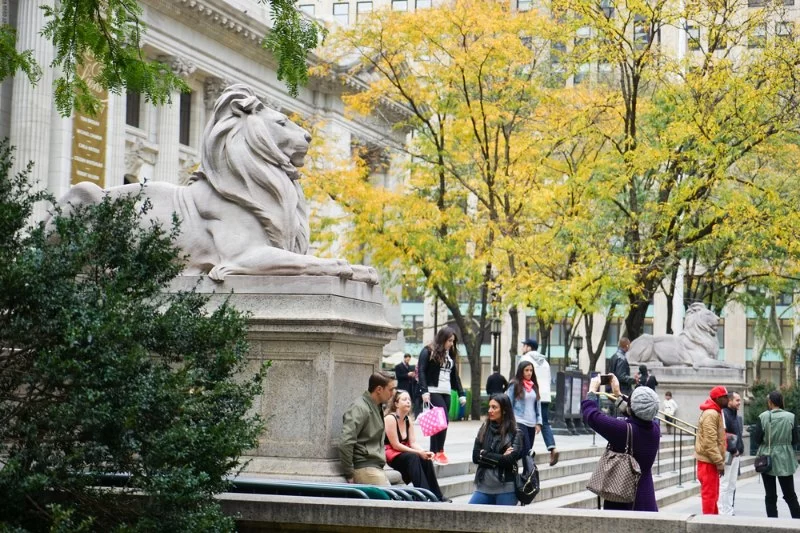
How Urban Architecture Can Promote Social Equity: Transforming Cities for All
Discover how urban architecture can promote social equity by designing inclusive spaces that benefit all. Learn how architecture plays a role in creating equal opportunities for diverse communities.
More
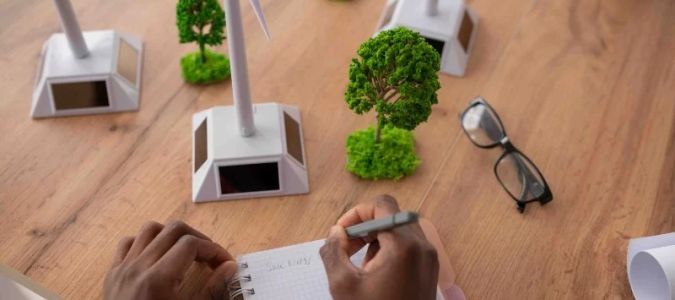
The Growing Importance of Environmental Impact Assessments in Architecture
Learn about the growing importance of environmental impact assessments (EIA) in architecture. Understand how EIA contributes to sustainable building practices, reduces ecological footprints, and enhances environmental responsibility in modern architecture.
Apr 29, 2026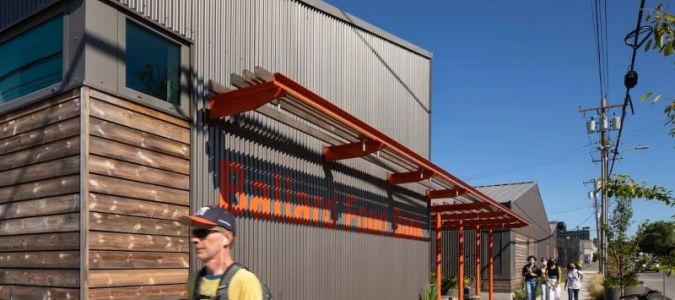
How to Design a Community-Focused Building That Reflects Local Identity: A Guide for Architects
Discover how to design a community-focused building that reflects local identity. Learn architectural strategies that create meaningful, culturally relevant spaces for the community.
Apr 29, 2026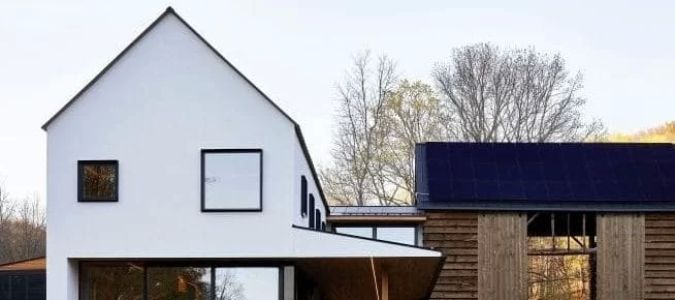
The Benefits of Designing with Passive House Standards
Learn about the benefits of designing with Passive House standards and how this energy-efficient design approach can lead to more sustainable and comfortable living spaces. The Benefits of Designing with Passive House StandardsAs an architect, I’ve seen firsthand how Passive House standards are transforming the way we design buildings. This innovative approach to energy-efficient design is gaining traction in homes, offices, and even schools. What makes Passive House so appealing is its ability to combine sustainability with comfort, creating spaces that are not only eco-friendly but also incredibly comfortable to live and work in. In this article, I’ll share the numerous benefits of designing with Passive House standards, why it’s such a game-changer in sustainable architecture, and how it can positively impact our environment.1. What is Passive House Design?Before diving into the benefits, it's important to understand what Passive House design actually is. Developed in the late 1980s in Germany, Passive House (or Passivhaus) is a rigorous standard for energy efficiency in a building, aimed at reducing its ecological footprint. The primary goal is to minimize the energy consumption required for heating and cooling a home, using high-performance insulation, airtight construction, and energy-efficient windows.One of the most remarkable aspects of Passive House design is that it doesn’t just rely on renewable energy sources or advanced technologies to be effective; it’s about building smart from the start. By focusing on the building’s envelope (the walls, windows, roof, and floor), Passive House principles ensure that a structure can maintain a comfortable temperature without the need for traditional heating and cooling systems.2. The Key Benefits of Passive House Design2.1 Energy Efficiency and Reduced CostsOne of the most compelling benefits of Passive House design is its exceptional energy efficiency. When I first started incorporating Passive House standards into my projects, I was amazed by how much energy could be saved. The insulation, airtightness, and heat recovery ventilation systems work together to minimize energy loss, meaning that homes and buildings stay warm in winter and cool in summer without relying on costly HVAC systems. The result? Passive House buildings can cut heating and cooling costs by up to 90% compared to conventional buildings. This doesn’t just translate to financial savings for homeowners but also reduces the overall environmental impact of the building. For anyone looking to save on utility bills while contributing to a more sustainable planet, Passive House is a smart solution.2.2 Improved ComfortPassive House homes are not only energy-efficient but also incredibly comfortable. With their exceptional insulation and airtightness, these homes maintain a stable, even temperature throughout the year. This means no more hot or cold spots, drafts, or fluctuations in temperature that are so common in traditional homes. One of the most surprising aspects for many people is the air quality. Passive House buildings typically feature a balanced ventilation system, which constantly brings in fresh air without losing heat. This ensures that indoor air quality is always high, which is especially beneficial for those with allergies or respiratory issues. As someone who has spent a lot of time in these types of buildings, I can say the comfort level is unparalleled.2.3 Environmental Impact and SustainabilityAnother significant advantage of Passive House design is its environmental benefits. By reducing energy consumption, Passive House buildings help lower greenhouse gas emissions. The energy required to run conventional buildings can be substantial, contributing to global warming and environmental degradation. Passive House buildings, by contrast, significantly reduce a building's carbon footprint.Moreover, Passive House design also encourages the use of sustainable, non-toxic materials and building practices, which means less waste and fewer harmful substances entering the environment. This commitment to sustainability makes Passive House an ideal choice for eco-conscious individuals and organizations looking to make a positive impact on the planet.3. The Long-Term Benefits of Passive House Design3.1 Longevity and DurabilityPassive House buildings are designed to last. The high-quality materials and construction techniques used in these buildings mean they are built to withstand the test of time. With proper maintenance, a Passive House can stand for decades, making it a sound long-term investment. Additionally, because Passive House buildings are highly insulated and airtight, they are less susceptible to damage from weather, moisture, and other environmental factors. This not only increases the longevity of the building but also helps maintain its energy efficiency over time.3.2 Resale Value and Market AppealWith growing awareness of climate change and the importance of energy-efficient buildings, more homebuyers and businesses are seeking eco-friendly properties. This shift in consumer preference means that Passive House buildings are becoming increasingly valuable in the real estate market. As demand for sustainable homes grows, homes built to Passive House standards are likely to see higher resale values. Investing in a Passive House home today could mean a better return on investment in the future, as buyers are increasingly prioritizing energy-efficient and sustainable living options.4. How to Get Started with Passive House DesignIf you’re considering designing a home or building with Passive House standards, it’s important to work with a certified Passive House designer or consultant. These experts are trained in the principles and techniques that make Passive House design successful, and they can help guide you through the process of incorporating these standards into your project.For those already in the building industry, getting certified as a Passive House designer can open up new opportunities. Passive House professionals are in high demand as more homeowners and developers recognize the value of this sustainable design approach.5. Conclusion: The Future of BuildingAs we face the challenges of climate change and rising energy costs, Passive House design offers a promising solution. With its combination of energy efficiency, comfort, and sustainability, it’s no wonder that more and more architects, builders, and homeowners are choosing to adopt this standard. If you’re looking to build or renovate a home that is not only better for the environment but also more comfortable and affordable in the long run, Passive House is the way to go.For more information on incorporating Passive House standards into your next project, visit 10 Jay Street to explore the best resources and professional services available.
Apr 28, 2026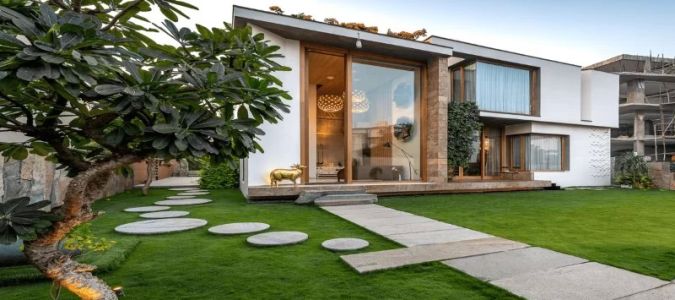
How Architects are Designing Homes for the Future: Innovations and Sustainability
Discover how architects are designing homes for the future with cutting-edge innovations, sustainability, and smart technology. Learn how these designs are shaping the future of living.
Apr 28, 2026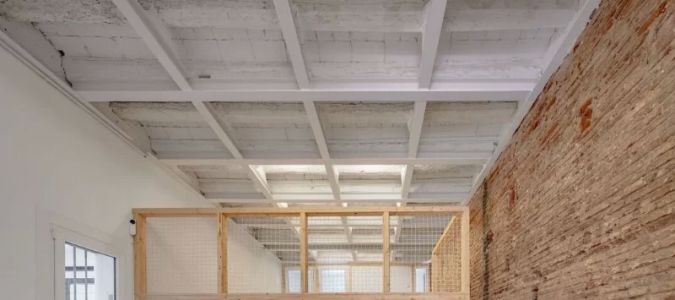
How Architects Are Transforming Spaces with Adaptive Reuse Projects
Discover how architects are transforming old spaces with adaptive reuse projects. Learn about the benefits of repurposing buildings and creating sustainable, functional designs for modern needs. 1. What is Adaptive Reuse? 2. Why Adaptive Reuse Matters 3. Key Elements in Adaptive Reuse Design 4. Successful Adaptive Reuse Case Studies 5. Challenges and Solutions in Adaptive Reuse1. What is Adaptive Reuse?Adaptive reuse is a sustainable architectural practice where existing buildings are repurposed and redesigned for a new function. This process retains the original structure of a building while giving it a new life and purpose. Rather than demolishing old structures, architects work creatively to maintain the integrity of the original design while modernizing the building to suit current needs.1.1 The Concept of ReuseAdaptive reuse isn't just about saving old buildings; it's about integrating the past with the future. By repurposing buildings, architects can create spaces that are both functional and historically significant, maintaining cultural heritage while meeting modern requirements.1.2 Benefits of Adaptive ReuseThe benefits of adaptive reuse projects are numerous. They promote sustainability by reducing construction waste, saving energy, and decreasing the demand for new raw materials. Additionally, adaptive reuse projects contribute to urban revitalization, transforming underutilized or abandoned areas into vibrant community spaces.2. Why Adaptive Reuse MattersAs cities grow and evolve, adaptive reuse is becoming an essential tool for urban planning and sustainable development. It's a solution that preserves historical value while addressing the needs of modern-day cities.2.1 Sustainable DesignAdaptive reuse contributes significantly to sustainability. Repurposing existing buildings reduces the environmental impact compared to new construction, which involves significant energy consumption and raw material extraction. Reusing materials and structures reduces waste and minimizes carbon footprints.2.2 Economic and Cultural ValueBeyond environmental benefits, adaptive reuse projects can also be economically valuable. They often revitalize neglected areas, increase property values, and attract new businesses and residents. These projects can also preserve the cultural heritage of an area, creating spaces that honor the past while serving contemporary needs.3. Key Elements in Adaptive Reuse DesignWhen designing an adaptive reuse project, architects focus on several key elements that make the transformation seamless while respecting the original structure.3.1 Structural IntegrityOne of the first considerations in adaptive reuse is assessing the structural integrity of the existing building. This involves understanding the condition of the foundation, load-bearing walls, and other critical components that support the building. A strong, stable foundation is necessary to ensure the new design is safe and viable.3.2 Integrating Modern FeaturesWhile the building’s structure is preserved, modern systems such as HVAC, plumbing, and electrical must be integrated into the design. Architects often have to get creative with how to incorporate these systems while maintaining the aesthetic and historical features of the building.3.3 Preservation of Aesthetic ValueMaintaining the aesthetic value of the original building is crucial in adaptive reuse projects. Architects typically work to preserve elements such as the façade, windows, and other historic features, which contribute to the building's character and charm.4. Successful Adaptive Reuse Case StudiesThere are numerous examples of successful adaptive reuse projects that highlight the potential of repurposing old buildings. Here are some standout case studies:4.1 The Tate Modern, LondonOne of the most famous adaptive reuse projects is the Tate Modern in London. The former power station was transformed into one of the world’s leading modern art museums. This project not only preserved the building’s industrial aesthetic but also created a dynamic space that now attracts millions of visitors each year.4.2 The High Line, New York CityThe High Line in NYC is another impressive adaptive reuse project, transforming an old railway track into a public park. This innovative project revitalized a neglected industrial area and turned it into a green, cultural space that attracts both locals and tourists.5. Challenges and Solutions in Adaptive ReuseWhile adaptive reuse offers many benefits, it’s not without its challenges. Architects and developers face several obstacles when repurposing old buildings.5.1 Structural LimitationsOne of the main challenges is dealing with the structural limitations of older buildings. In some cases, the original design may not support modern requirements, necessitating significant modifications to the structure. This can be both costly and time-consuming.5.2 Balancing Preservation with ModernizationAnother challenge is balancing the need to preserve historical elements with the demands of modern architecture. Architects must strike a delicate balance between maintaining the building's character and updating it to meet the needs of contemporary users.5.3 Solutions for Adaptive Reuse ChallengesTo overcome these challenges, architects often collaborate with structural engineers, historians, and city planners. Creative solutions, such as reinforcing foundations or using modern materials that blend with historic features, allow adaptive reuse projects to succeed.ConclusionArchitects are revolutionizing the way we think about space by embracing adaptive reuse projects. These projects not only offer sustainable solutions for urban development but also preserve the cultural and architectural history of our cities. By repurposing old buildings, architects are creating spaces that are functional, beautiful, and meaningful for future generations.For those interested in discovering innovative adaptive reuse spaces, check out 10 Jay Street for inspiration and to find the best architectural services.
Apr 27, 2026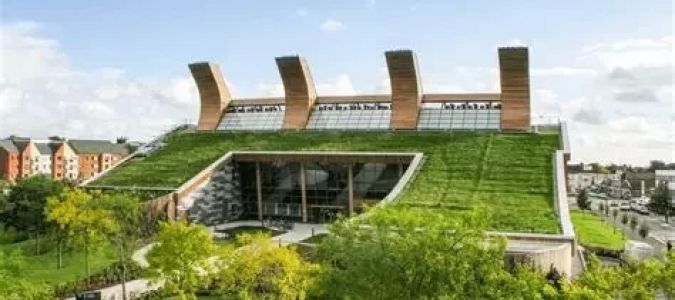
How to Design Green Buildings That Improve Urban Air Quality
Learn how to design green buildings that improve urban air quality with sustainable architecture practices. Discover eco-friendly materials, design strategies, and the impact on reducing urban pollution.How to Design Green Buildings That Improve Urban Air QualityAs cities grow and urban environments become more congested, improving air quality is a critical concern for urban planners and architects alike. Green buildings, designed with sustainability in mind, play an essential role in improving urban air quality. These buildings go beyond reducing energy consumption; they focus on enhancing the overall environmental impact, including air quality. In this article, we explore the design elements and strategies that can help create buildings that contribute positively to the air quality in our cities. 1. Why Green Buildings Are Important for Urban Air Quality 2. Key Design Principles for Green Buildings 3. Using Eco-Friendly Materials in Building Design 4. Incorporating Nature into Urban Design 5. Successful Case Studies of Green Buildings1. Why Green Buildings Are Important for Urban Air QualityUrban air pollution is a significant problem in many cities worldwide, affecting public health and contributing to climate change. Green buildings help mitigate these issues by reducing emissions, improving ventilation, and incorporating natural elements that absorb pollutants. The integration of energy-efficient systems and the use of non-toxic materials contribute to cleaner indoor and outdoor air quality, benefiting both the building’s occupants and the surrounding community.2. Key Design Principles for Green BuildingsDesigning green buildings that effectively improve urban air quality involves a range of strategies. The following principles are essential for creating buildings that have a positive environmental impact: Energy Efficiency: One of the main goals of green building design is reducing energy consumption. By using high-performance insulation, efficient HVAC systems, and renewable energy sources like solar panels, buildings can significantly reduce their carbon footprint. Ventilation and Airflow: Good ventilation is crucial for improving indoor air quality. Green buildings often incorporate natural ventilation systems, such as operable windows or ventilated facades, which help bring fresh air inside while expelling polluted air. Water Conservation: Green buildings also prioritize water-efficient systems that reduce water consumption. By using rainwater harvesting systems, low-flow plumbing fixtures, and water-efficient landscaping, these buildings can contribute to a more sustainable urban environment. Waste Management: Waste reduction strategies such as recycling, composting, and utilizing materials with a lower environmental impact are fundamental in green building design. These practices not only reduce waste but also prevent harmful substances from contaminating the air.3. Using Eco-Friendly Materials in Building DesignThe materials used in a building’s construction can have a significant impact on both its environmental footprint and the air quality. Eco-friendly materials, such as recycled metals, low-VOC (volatile organic compounds) paints, and sustainable wood, can help improve indoor air quality by minimizing harmful emissions. These materials also reduce the need for resource-intensive manufacturing processes that contribute to air pollution.By prioritizing locally sourced, renewable materials, green building projects can further reduce transportation-related emissions, which are a significant contributor to air pollution in urban areas. Additionally, using natural materials like bamboo, cork, and reclaimed wood can add aesthetic value while also benefiting the environment.4. Incorporating Nature into Urban DesignOne of the most effective ways to improve urban air quality is to incorporate green spaces and natural elements into the built environment. The use of green roofs, vertical gardens, and urban forests can significantly improve air quality by filtering out pollutants and providing oxygen. Trees and plants act as natural air purifiers by absorbing carbon dioxide and releasing oxygen, making them an essential component of green building designs.Additionally, green spaces can help reduce the urban heat island effect, a phenomenon where cities become significantly warmer than surrounding rural areas due to the concentration of buildings and infrastructure. By introducing more greenery, cities can not only improve air quality but also create more comfortable and livable spaces for residents.5. Successful Case Studies of Green BuildingsThere are numerous examples worldwide of green buildings that have made a significant impact on urban air quality. Here are a few noteworthy case studies: The Edge, Amsterdam: Known as one of the greenest buildings in the world, The Edge features state-of-the-art sustainability technologies, including solar panels, a rainwater harvesting system, and energy-efficient lighting. Its design maximizes natural light and ventilation, significantly reducing energy consumption while improving indoor air quality. One Central Park, Sydney: This iconic building incorporates vertical gardens designed by famous botanist Patrick Blanc. These green walls help filter air, reduce the urban heat island effect, and improve the overall aesthetic of the city skyline. 10 Jay Street, Brooklyn: Located in Brooklyn, New York, 10 Jay Street is another prime example of a green building. With a focus on energy-efficient technologies and sustainable construction practices, it promotes air quality improvement in the dense urban environment of Brooklyn.By integrating these design elements into buildings, architects and developers can create spaces that not only reduce their carbon footprint but also contribute positively to the surrounding environment.
Apr 27, 2026