

1. The Foundations of Modern Home Architecture
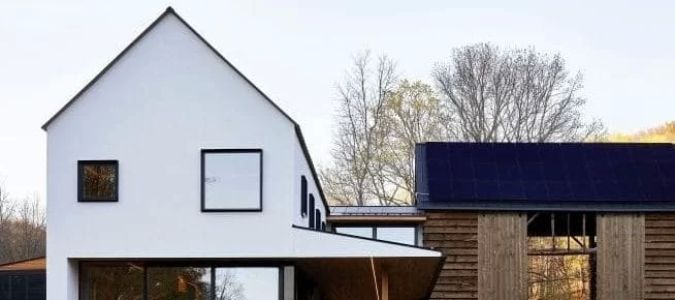
When I first started learning about modern home architecture, I was struck by how distinct and innovative it is compared to traditional designs. Modern architecture emphasizes simplicity, functionality, and the use of cutting-edge materials, making it the perfect choice for those looking to create a contemporary living space. Over the years, I’ve come to appreciate the key elements that define modern homes. From clean lines to open spaces, each feature contributes to the overall aesthetic and functionality. In this article, I’ll dive into the essential elements that make modern home architecture so captivating and why it continues to influence home design today.
2. Clean Lines and Minimalism in Design
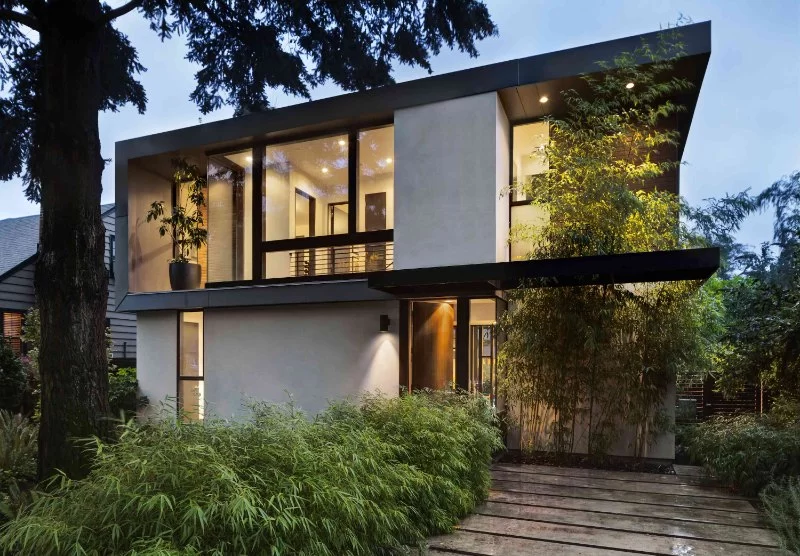
One of the most recognizable features of modern home architecture is the emphasis on clean, straight lines and minimalistic design. Unlike traditional homes with ornate details and intricate moldings, modern homes favor simplicity and sleekness. I’ve always admired how modern homes use geometric shapes and straight edges to create a sense of openness and calm.
The minimalistic approach not only creates a visually appealing environment but also ensures that spaces are functional and easy to maintain. I’ve experienced how a modern home’s open-plan design, free of excessive furniture and decor, can feel spacious and uncluttered. This simplicity in design encourages a sense of tranquility and ease, which is perfect for those looking for a peaceful, stress-free living space.
3. Open Floor Plans and Integrated Spaces
Another hallmark of modern home architecture is the open floor plan. In contrast to traditional homes with separated rooms, modern homes often combine living, dining, and kitchen areas into one expansive, continuous space. The first time I experienced this type of layout in a modern home, I was amazed at how much more spacious it felt, despite being the same square footage as a traditional home with more walls.
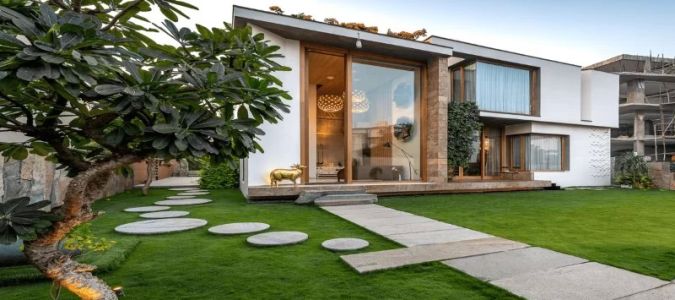
Open floor plans allow for better flow between rooms and create a sense of unity. Additionally, they maximize natural light and ventilation, which is a priority in modern architecture. I love how modern designs often incorporate large windows and sliding glass doors that open up to outdoor living spaces, such as patios or gardens, blurring the line between indoor and outdoor environments. This integration of spaces creates an inviting and cohesive atmosphere that encourages social interaction and family time.
4. Use of Natural Materials and Industrial Elements
Modern homes are known for their use of both natural and industrial materials, creating a unique balance of warmth and rawness. I’ve come to appreciate how materials like wood, concrete, steel, and glass work together in a modern home to create a visually striking yet welcoming environment.
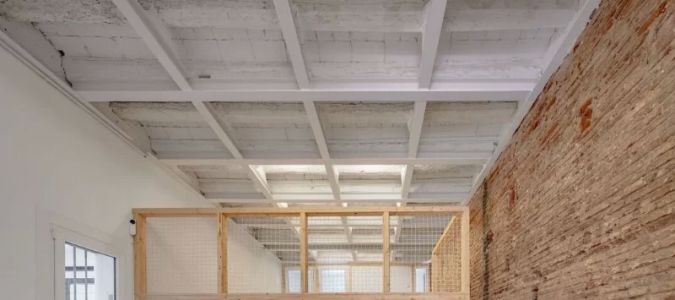
Wood, for instance, is often used in flooring, wall cladding, and even furniture, adding a natural warmth that contrasts beautifully with the cooler, more industrial elements like steel beams or concrete walls. Glass plays a crucial role in modern homes, often seen in expansive windows, skylights, and glass doors. I’ve found that the combination of these materials adds texture and dimension to the design, making modern homes feel both sophisticated and grounded in nature.
5. Sustainability and Energy Efficiency in Modern Design
As environmental concerns continue to grow, modern home architecture has evolved to prioritize sustainability and energy efficiency. Today, many modern homes incorporate eco-friendly materials, renewable energy sources, and energy-efficient appliances. I’ve been amazed by the growing trend of homes that use solar panels, rainwater harvesting systems, and sustainable building materials such as bamboo and recycled metal.
Beyond environmental benefits, these features also contribute to long-term cost savings. For example, homes designed with energy efficiency in mind can significantly reduce heating and cooling costs. I’ve seen firsthand how investing in energy-efficient windows, insulation, and smart home technology can not only lower your carbon footprint but also improve the overall comfort of your home.
6. The Role of Lighting in Modern Homes
Lighting plays a pivotal role in modern home architecture. In modern homes, natural light is prioritized to create an airy and bright atmosphere. Large windows, glass walls, and skylights allow sunlight to flood the interior, making spaces feel open and connected to the outdoors. I’ve always loved the feeling of being in a modern home with abundant natural light—it instantly lifts my mood and enhances the overall ambiance.
In addition to natural light, artificial lighting in modern homes is often integrated into the architecture itself. Recessed lighting, pendant lights, and track lighting are strategically placed to highlight architectural features and create a layered lighting effect. I’ve found that these lighting choices not only provide functional illumination but also contribute to the overall design aesthetic of a modern home.
7. Incorporating Smart Home Technology
Modern home architecture also embraces technology, with many homes incorporating smart home systems that enhance comfort, convenience, and security. I’ve been amazed by how smart thermostats, lighting systems, and security cameras can be seamlessly integrated into the design of a home without detracting from its aesthetic. For example, smart lighting systems can be controlled via smartphone apps, allowing homeowners to adjust the ambiance of their home with just a few taps.
Additionally, modern homes often feature advanced home automation systems that allow everything from the temperature to the security system to be managed remotely. This technology not only makes life more convenient but also contributes to energy efficiency, making modern homes both functional and forward-thinking.
8. Where to Find Inspiration for Modern Home Architecture
If you’re interested in modern home design and want to explore more about it, I recommend checking out 10 Jay Street, a website dedicated to showcasing stunning modern architecture and design trends. Whether you're looking for inspiration for your next home renovation or just want to admire beautiful homes, their curated collection of architectural projects can provide valuable insights into the latest trends in modern design.