

Key Elements of Modern Home Architecture: Designing the Future
As someone who's deeply fascinated by architecture, I’ve often wondered what makes modern home architecture stand out. What are the key elements that define a modern home? Over the years, I’ve come to appreciate that modern homes are more than just about sleek design or minimalist aesthetics. They're a fusion of form, function, and sustainability, bringing together technology, materials, and creative vision to create homes that are not only beautiful but also practical and eco-friendly. Let’s dive into the essential elements that shape modern home architecture and why these features are so important in today’s world.
1. Open Floor Plans: Embracing Spaciousness
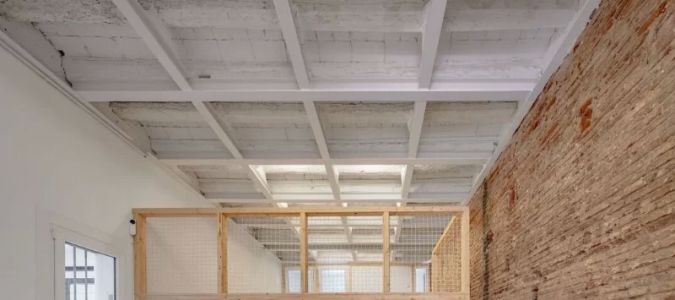
One of the most defining features of modern homes is the open floor plan. This concept revolves around removing barriers between living spaces, such as walls and doorways, to create a sense of continuity and fluidity within the home. For example, combining the kitchen, dining room, and living room into one expansive area is common in modern homes. The open floor plan not only creates a more visually spacious environment but also enhances the flow of natural light throughout the home.
Personally, I find the openness of modern floor plans incredibly welcoming. It allows for better interaction and connection, whether you're cooking in the kitchen, relaxing in the living room, or dining with family and friends. The design of these homes encourages a social atmosphere where everyone can be involved in conversations, even if they're doing different activities. This is one of the main reasons why open floor plans are a must-have in modern home architecture.
2. Minimalist Design: Less Is More
Minimalism is at the heart of modern architecture, and it’s about creating clean lines, simple structures, and decluttered spaces. I’ve found that minimalist design isn’t just about having fewer things; it’s about focusing on quality and functionality while eliminating excess. The concept of "less is more" is reflected in everything from furniture choices to the layout and finishes of the home.
In modern homes, you’ll often see geometric shapes, neutral color palettes, and simple, functional furnishings. These design elements create a tranquil atmosphere and allow the natural beauty of the materials—like wood, concrete, or metal—to take center stage. I appreciate how this approach to design helps to reduce visual noise, making it easier to focus on what truly matters: the people, the views, and the functionality of the space.
3. Use of Sustainable Materials: Green Building Practices
In today’s world, sustainability plays a huge role in modern architecture. With the growing concern over climate change and the environment, more homeowners and architects are choosing eco-friendly building materials. These include recycled materials, bamboo, reclaimed wood, and energy-efficient products. The goal is to reduce the carbon footprint of a home while promoting energy conservation and a healthier living environment.
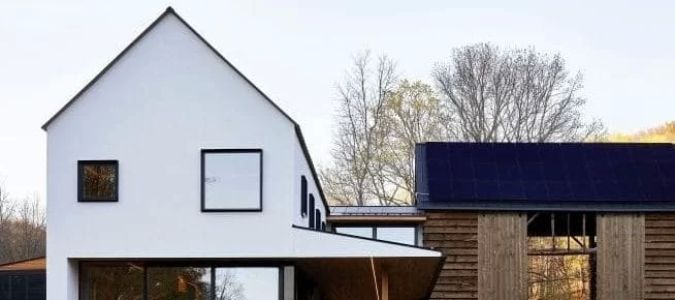
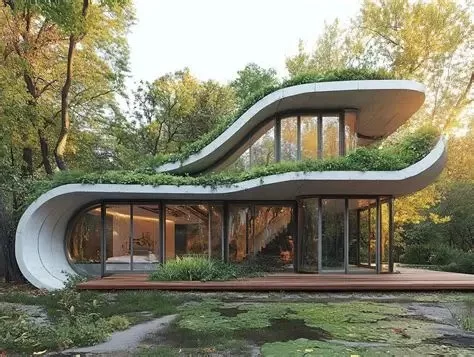
As I look at modern homes, it’s inspiring to see how sustainable materials are being used in innovative ways. For example, many homes now incorporate solar panels, green roofs, and rainwater harvesting systems to minimize their environmental impact. Not only does this make modern homes more energy-efficient, but it also promotes a deeper connection between the built environment and nature. When I see homes using natural materials like stone and wood in their design, it’s a reminder of the importance of preserving our planet.
4. Smart Home Technology: The Integration of Innovation
Smart home technology is another key element in modern home architecture. From controlling the thermostat with your voice to managing lighting, security, and even appliances through a smartphone, modern homes are becoming increasingly automated. The integration of smart devices enhances convenience, energy efficiency, and security within the home.
In my own experience, incorporating smart technology into a home has made a significant difference in daily life. Smart thermostats, like those from Nest, allow you to adjust the temperature from anywhere, while smart lighting systems like Philips Hue let you create the perfect mood with just a tap on your phone. Smart security cameras and doorbells, such as Ring, provide peace of mind by offering remote monitoring and alerts. All these innovations not only add comfort but also improve the functionality of the home, making it more adaptable to modern living needs.
5. Large Windows and Natural Light: Bringing the Outdoors In
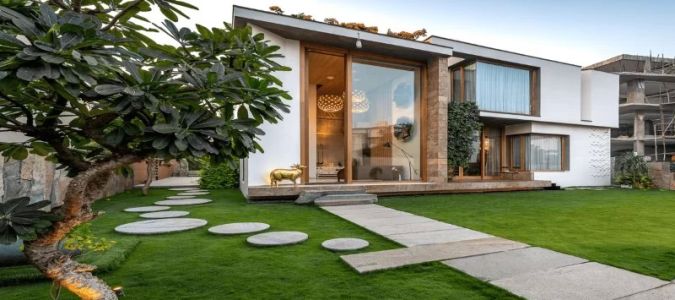
One of the most striking features of modern homes is the emphasis on natural light. Large windows, glass walls, and open spaces are key elements that bring the outdoors inside. This creates an inviting atmosphere, making the home feel more connected to nature. Personally, I love the effect that large windows have on a space—during the day, they allow the sunlight to flood the rooms, reducing the need for artificial lighting and making the home feel brighter and more spacious.
Additionally, large windows often provide panoramic views of the surrounding landscape. Whether it’s a lush garden, a city skyline, or the serene countryside, these views enhance the living experience and add a sense of calm. Many modern homes even include sliding glass doors that open directly to outdoor patios or decks, further blurring the line between indoor and outdoor spaces.
6. The Importance of Outdoor Spaces: Extending the Living Area
Speaking of outdoor spaces, they are an integral part of modern home architecture. Today, homeowners are increasingly looking for ways to extend their living areas into the outdoors. This can include everything from expansive decks and patios to outdoor kitchens, fire pits, and even fully functional gardens. The goal is to create an environment where you can enjoy nature without having to leave the comfort of your home.
For instance, many modern homes incorporate large glass doors that lead to outdoor terraces, making it easy to entertain guests outdoors while still being connected to the interior of the home. Personally, I’ve always admired homes that seamlessly blend indoor and outdoor living, where the boundaries between the two are less defined, creating a more relaxed, versatile environment for socializing, dining, or simply relaxing with a book on a sunny afternoon.
Ultimately, modern home architecture is about creating a space that reflects both functionality and aesthetics. The use of open floor plans, minimalist design, sustainable materials, and cutting-edge technology makes modern homes not only beautiful but also practical and efficient. When you design a home with these principles in mind, you’re not just building a house—you’re creating a living space that enhances your lifestyle, connects you with nature, and provides comfort and convenience.
If you're interested in exploring modern architecture or need help designing a home that maximizes natural light and sustainability, I recommend visiting 10 Jay Street for expert guidance and resources.