

Designing a Building That Maximizes Natural Light: Tips and Techniques
When it comes to designing a building, maximizing natural light is one of the most effective ways to enhance the aesthetic and environmental quality of a space. Not only does natural light create a warm, welcoming atmosphere, but it also offers health benefits, boosts productivity, and reduces the need for artificial lighting, which in turn can lower energy consumption. In this article, I'll guide you through essential design strategies to maximize natural light, providing you with real-world examples and tips to help create bright, energy-efficient buildings.
1. The Importance of Natural Light in Architecture
Before diving into the how-tos of maximizing natural light, it’s essential to understand why natural light is so highly valued in architectural design. Apart from the obvious aesthetic appeal, natural light has several proven benefits for both residential and commercial spaces. Here's why it matters:
- Health Benefits: Natural light has a positive effect on mental and physical health. Exposure to sunlight can reduce stress, improve mood, and regulate circadian rhythms.
- Energy Efficiency: Well-lit spaces reduce the need for artificial lighting, leading to significant savings in electricity costs.
- Increased Productivity: Studies show that workers and students in naturally lit spaces are more productive, creative, and focused.
- Aesthetic Appeal: Buildings with ample natural light are more visually pleasing and have a sense of openness and airiness.
2. Design Strategies for Maximizing Natural Light
Now that we’ve covered the importance of natural light, let's explore some practical design strategies to bring more daylight into your building.
2.1 Use of Large Windows and Glass Doors
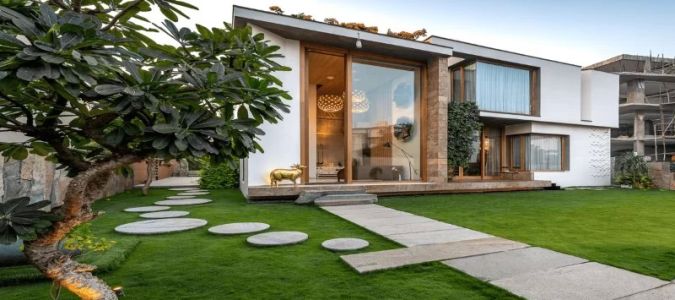
One of the simplest ways to increase natural light is to incorporate large windows and glass doors into your design. These elements allow sunlight to flood into the space and provide panoramic views of the outdoors, making interiors feel brighter and more connected to nature. For optimal results:
- Consider floor-to-ceiling windows for living areas or offices to maximize light.
- Install sliding glass doors that lead to outdoor patios, gardens, or balconies to extend the natural light into adjacent spaces.
2.2 Strategic Placement of Windows
It’s not just about the size of the windows but also their placement within the building. The orientation of your windows can have a significant impact on how much sunlight enters a room throughout the day:
- South-facing windows (in the Northern Hemisphere) receive the most consistent sunlight throughout the year, making them ideal for rooms that require ample light.
- East-facing windows capture the morning sun, which is perfect for bedrooms and kitchens.
- West-facing windows can provide beautiful evening light, but they may lead to overheating in warmer months, so consider adding shading or pergolas for energy efficiency.
2.3 Skylights and Roof Lanterns
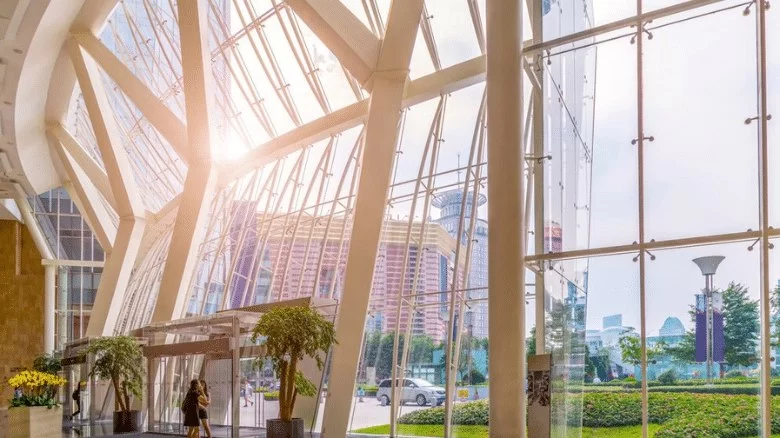
Skylights and roof lanterns are excellent options for bringing in light from above, especially for spaces like bathrooms, hallways, or interior rooms that might not have access to external walls. By incorporating these features into the roof design, you can bring in natural light even in the most secluded corners of the building. Some key considerations:
- Consider installing operable skylights for better ventilation and airflow.
- Use tubular skylights, which are smaller and ideal for tight spaces.
2.4 Light Wells and Courtyards
Light wells and courtyards allow light to penetrate deep into the center of a building, particularly in multi-story structures. These features create open-air spaces within the building, where sunlight can filter in from all sides, helping to brighten rooms that may otherwise be cut off from exterior light. This design element is especially useful for urban buildings or those with limited access to natural light from the outside.
3. Enhancing Natural Light with Reflective Surfaces
Once natural light enters the space, it’s important to consider how to distribute and reflect that light throughout the room. Here are some strategies to enhance natural light within your building:
- Light-colored walls and ceilings can help reflect light, making spaces feel brighter and more expansive. White, off-white, or pale colors are particularly effective at bouncing light around.
- Mirrors strategically placed across from windows can double the amount of light in a room by reflecting sunlight back into the space.
- Reflective materials such as polished tiles, glass, and metal surfaces can help direct light deeper into the room.
4. Real-World Example: Incorporating Natural Light in Office Design
To better understand how these principles work in practice, let’s look at an example from an office design project I was involved with. The goal was to transform a dark, enclosed space into a modern, well-lit workplace for employees. Here’s how we used natural light:
- We added large, south-facing windows and glass doors that opened to an outdoor terrace, allowing natural light to fill the office during the day.
- We incorporated a large skylight in the center of the building, which illuminated the break room and hallway that were previously dim.
- Reflective glass panels were placed on the opposite side of windows to reflect light deeper into the office.
The result was a vibrant, energy-efficient office that not only looked better but also contributed to the health and productivity of the employees.
5. Considerations for Energy Efficiency
While maximizing natural light is important, it’s equally crucial to consider energy efficiency when designing a building. Here are some ways to balance natural light with energy-saving strategies:
- Shading devices such as pergolas, blinds, and shades can help prevent overheating while still allowing light to enter the building.
- Energy-efficient windows with low-e coatings can reduce heat loss and solar gain, ensuring that the interior remains comfortable year-round.
- Insulated glass and double glazing can enhance thermal comfort by reducing drafts and minimizing the need for heating and cooling.
When designed properly, natural light can significantly reduce the need for artificial lighting, which will help you save on energy bills while creating a bright, welcoming environment.