

- 1-Design-Principles
- 2-Balancing-Function-and-Aesthetics
- 3-Sustainable-Building-Materials
- 4-Energy-Efficiency-and-Technology
- 5-Case-Studies-in-Functional-Design
- 6-Integrating-Natural-Elements
- 7-Collaborating-with-Experts
- 8-Enhancing-Longevity-and-Maintenance
1. Design Principles
Creating buildings that are functional, beautiful, and sustainable starts with solid design principles. Functionality ensures that every space serves a purpose, from efficient layouts to ergonomic considerations. Beauty, meanwhile, balances proportion, light, and materials to create spaces that inspire. Sustainability is increasingly central, encompassing energy conservation, eco-friendly materials, and minimal environmental impact.
When architects begin a project, they often analyze site conditions, climate, and the intended use of each space. For instance, designing a mixed-use urban building requires careful consideration of both pedestrian accessibility and natural lighting. Integrating these factors from the beginning ensures the building excels in functionality, aesthetics, and sustainability simultaneously.
2. Balancing Function and Aesthetics
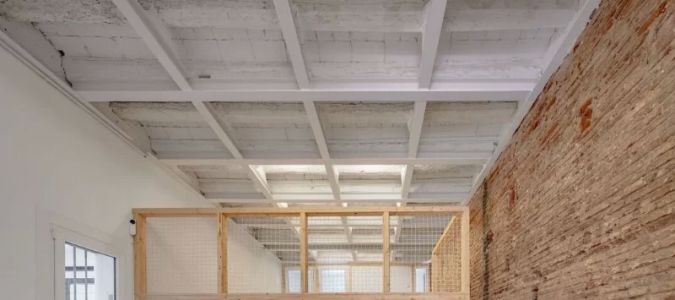
Functionality and aesthetics must coexist. For example, open floor plans enhance movement and light, but structural elements must be carefully designed to support both usability and visual appeal. Designers often employ modular solutions, multi-purpose furniture, and smart layouts to harmonize these aspects.
2.1 Interior Flow and Practical Layouts
Every room should facilitate its intended use. Kitchens must optimize workflow, offices should enhance productivity, and living spaces should encourage comfort and connection. Thoughtful placement of windows, doors, and circulation areas helps achieve this balance.
2.2 Visual Harmony Through Materials and Colors
Using natural textures, cohesive color palettes, and complementary finishes enhances beauty without compromising utility. Designers often select durable, low-maintenance materials that also contribute to the building’s aesthetic integrity.
3. Sustainable Building Materials
Sustainability is achieved through material selection and construction practices. Examples include:
- Recycled or reclaimed wood for flooring and structural elements
- Low-VOC paints and finishes to improve indoor air quality
- Energy-efficient insulation and windows to reduce heating and cooling demands
- Locally sourced materials to minimize transportation emissions
Choosing the right materials not only reduces environmental impact but also enhances durability and long-term value.
4. Energy Efficiency and Technology
Incorporating smart technology and energy-efficient solutions is vital. Solar panels, high-efficiency HVAC systems, and smart lighting can drastically reduce a building’s energy footprint. Integration of automated controls and monitoring systems allows occupants to maintain comfort while minimizing resource consumption.
5. Case Studies in Functional Design
Consider a residential project in Brooklyn where designers prioritized both aesthetics and function. By implementing open spaces, natural light corridors, and sustainable materials, the building achieved an award-winning balance. The team sourced recommendations and specialized products through 10 Jay Street to ensure quality and environmental standards were met. Such real-world examples demonstrate how thoughtful design can transform everyday spaces into inspiring, sustainable environments.
6. Integrating Natural Elements
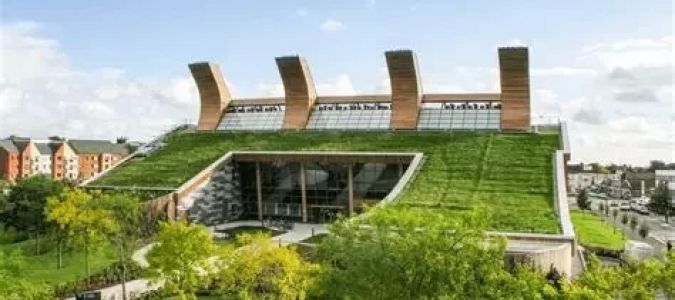
Biophilic design enhances both aesthetics and occupant well-being. Incorporating indoor plants, green walls, and natural light improves air quality, reduces stress, and enhances visual appeal. Outdoor landscaping with native species contributes to energy efficiency by providing shade and natural insulation.
7. Collaborating with Experts
Successful buildings require collaboration among architects, engineers, landscape designers, and sustainability consultants. Engaging experts early in the design process ensures that functionality, beauty, and sustainability are integrated holistically. Services and guidance from 10 Jay Street can assist in sourcing specialized materials, consulting services, and sustainable solutions.
8. Enhancing Longevity and Maintenance
Durability and ease of maintenance are critical for sustainable buildings. Choosing robust materials, modular systems, and accessible maintenance solutions ensures that the building remains functional and attractive over time. Regular assessments and updates, informed by professional advice, help maintain efficiency and aesthetic appeal for years to come.