

How Renewable Energy Is Shaping the Future of Architecture
As we move towards a more sustainable future, architects are increasingly turning to renewable energy sources as a core element of their designs. Whether you’re an architect, a homeowner, or simply someone interested in sustainable living, understanding the role of renewable energy in architectural designs is crucial. From solar panels to wind turbines, renewable energy offers an array of benefits, not just for the environment, but also for the people who live and work in these energy-efficient spaces. Let's explore how integrating renewable energy into your architectural designs can not only reduce your carbon footprint but also create innovative, future-ready buildings.
1. The Role of Renewable Energy in Modern Architecture
Architects have long been focused on designing buildings that are functional, aesthetically pleasing, and environmentally friendly. But as the demand for sustainable design grows, the integration of renewable energy into architectural planning has become a key component. Renewable energy sources like solar, wind, and geothermal can significantly reduce a building’s dependence on traditional energy grids, leading to a cleaner, more energy-efficient structure.
1.1 Solar Power: Harnessing the Sun’s Energy
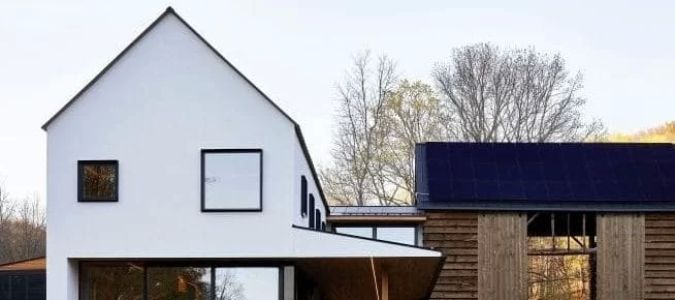
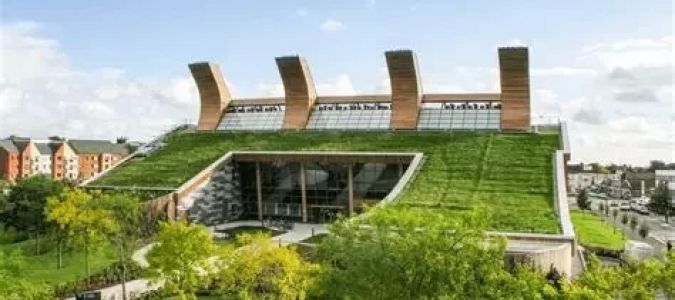
Among the most popular renewable energy sources for buildings is solar power. Solar panels, often integrated into the roof or exterior walls of buildings, can generate clean electricity, reducing the need for external energy sources. Not only does this contribute to lower energy bills, but it also reduces greenhouse gas emissions, making buildings more eco-friendly. Additionally, solar panels are relatively easy to maintain and have a long lifespan, making them a wise investment for both residential and commercial properties.
1.2 Wind Power: Energy from the Breeze
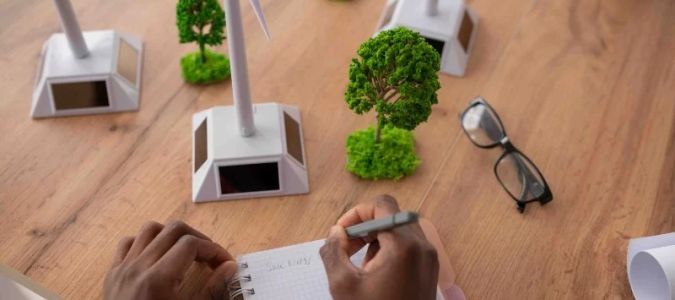
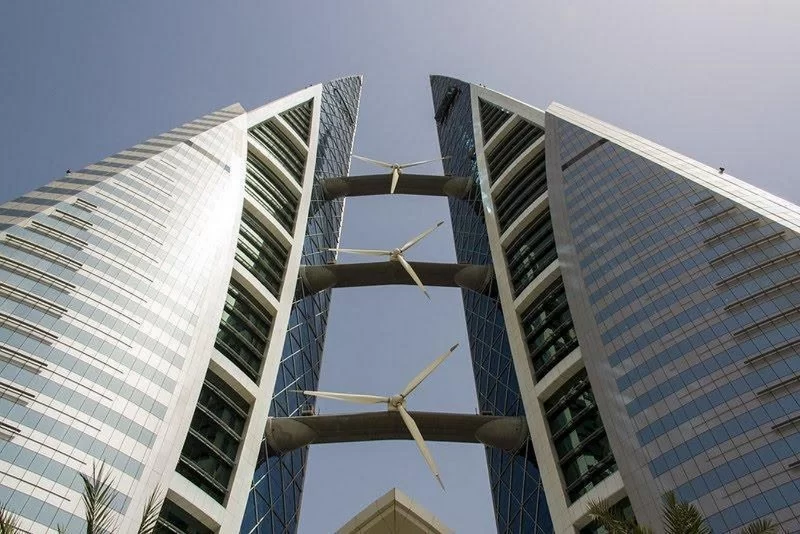
Wind energy is another renewable energy source that is gaining popularity in architecture. While not as widely used in urban environments, wind turbines can be installed in rural or larger properties to generate electricity. When combined with solar panels, wind turbines offer a versatile, sustainable solution for reducing energy costs and reliance on the grid. For homeowners with large plots of land or commercial properties in suitable locations, wind power can be a game-changer.
1.3 Geothermal Energy: Leveraging the Earth’s Heat
Geothermal energy, derived from the earth’s natural heat, is a lesser-known but highly effective renewable energy source for buildings. Geothermal heating and cooling systems use the constant temperature of the earth below the surface to regulate indoor temperatures without relying on fossil fuels. Geothermal systems are particularly efficient for larger buildings or properties in regions with stable geothermal conditions, offering substantial energy savings over time.
2. The Benefits of Integrating Renewable Energy in Architectural Designs
Incorporating renewable energy into architectural designs doesn’t just benefit the environment—it can also have a significant impact on the building’s functionality, cost-effectiveness, and marketability. Let’s take a closer look at some of the major benefits:
2.1 Environmental Impact
The most obvious benefit of incorporating renewable energy into architecture is the positive environmental impact. By reducing a building’s reliance on fossil fuels, architects can help decrease greenhouse gas emissions and combat climate change. Buildings that use renewable energy sources are much more energy-efficient, leading to a reduction in the overall carbon footprint. This is crucial in the fight against global warming and preserving the environment for future generations.
2.2 Reduced Energy Costs
One of the most immediate and practical benefits of renewable energy is cost savings. Although the initial installation of renewable energy systems may be costly, over time, they can significantly reduce a building’s energy bills. Solar panels, wind turbines, and geothermal systems all generate their own energy, meaning homeowners and businesses can rely less on external energy sources. This leads to long-term savings and can increase a building’s overall value.
2.3 Increased Property Value
Buildings that incorporate renewable energy solutions are often seen as more attractive to buyers. As demand for eco-friendly living spaces increases, properties with solar panels or other renewable energy systems are more likely to sell at a higher price point. In fact, studies have shown that homes with solar panels can increase in value by up to 4%. The growing emphasis on sustainability means that renewable energy features are becoming a major selling point in both residential and commercial markets.
2.4 Innovation and Modernization
Incorporating renewable energy into architectural designs isn’t just about practicality—it’s also about innovation. Architects who embrace renewable energy are leading the way in the development of cutting-edge, sustainable buildings that represent the future of design. These buildings not only help reduce our reliance on nonrenewable resources but also showcase the latest in green technology, attracting attention and admiration from the public and industry peers alike.
3. How to Incorporate Renewable Energy into Your Architectural Designs
If you're an architect or someone planning to build a sustainable home, there are several ways to integrate renewable energy into your designs. Here are some practical tips to consider:
3.1 Plan for Solar Energy Integration
When designing a building, it’s important to plan for solar energy integration from the start. Ensure that the roof is positioned to capture as much sunlight as possible, and consider the placement of solar panels on the roof or exterior walls. For new construction projects, it’s also worth exploring solar roofing options, which integrate solar cells directly into the roofing material.
3.2 Use Energy-Efficient Building Materials
In addition to renewable energy systems, using energy-efficient materials in construction can further reduce a building’s energy needs. Insulating materials, double-glazed windows, and high-efficiency HVAC systems can help minimize energy consumption and complement renewable energy installations. By combining these strategies, you can create a building that operates with minimal environmental impact.
3.3 Consider Geothermal and Wind Power
For larger projects, geothermal and wind power may also be viable options. Geothermal systems can provide a highly efficient heating and cooling solution, while wind turbines can generate additional electricity in suitable locations. It’s important to assess the site’s specific conditions to determine which renewable energy systems will work best for your project.
4. Real-World Examples of Renewable Energy in Architecture
Let’s take a look at a few real-world examples of how renewable energy has been successfully integrated into architectural designs:
4.1 The Edge, Amsterdam
The Edge in Amsterdam is considered one of the world’s most sustainable office buildings. It features an extensive solar panel array, energy-efficient design elements, and geothermal heating and cooling systems. The building generates more energy than it consumes, showcasing the power of integrating renewable energy solutions into architecture.
4.2 The Bullitt Center, Seattle
The Bullitt Center, also known as the “greenest commercial building in the world,” is a 6-story office building in Seattle that features solar panels, rainwater harvesting, and natural ventilation systems. The building generates all of its own energy and is designed to be carbon-neutral, making it a leading example of sustainable architecture.
5. Final Thoughts on Renewable Energy and Architecture
Incorporating renewable energy into architectural designs is no longer just a trend—it’s a necessity for a sustainable future. By embracing solar, wind, and geothermal energy, architects can create buildings that are energy-efficient, eco-friendly, and cost-effective. As the demand for sustainable design continues to grow, renewable energy will play an even greater role in shaping the future of architecture. For anyone considering a green building project, integrating renewable energy systems is one of the most effective ways to ensure your design is future-ready.
If you’re interested in sustainable design and renewable energy solutions for your project, check out 10 Jay Street for expert guidance and the latest in green architecture solutions.