

The Rise of Mixed-Use Developments in Modern Architecture
- 1. Why Mixed-Use Developments Are Important in Modern Architecture
- 2. The Key Benefits of Mixed-Use Developments
- 3. Creating Sustainable and Livable Communities
- 4. Enhancing Economic Opportunities and Urban Growth
- 5. Real-World Examples of Successful Mixed-Use Developments
- 6. Explore 10 Jay Street for Ideal Mixed-Use Properties
1. Why Mixed-Use Developments Are Important in Modern Architecture
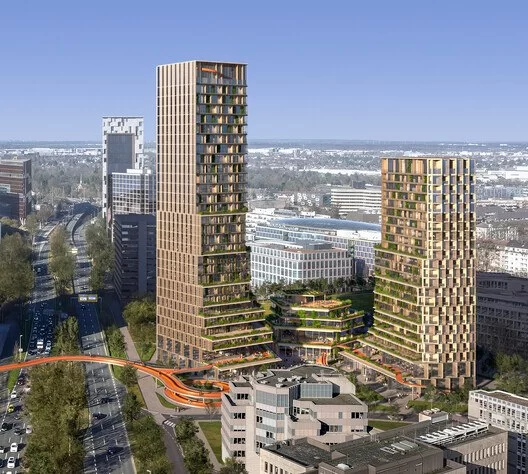
As cities continue to grow and evolve, the demand for efficient and sustainable urban spaces has increased. Mixed-use developments—buildings that combine residential, commercial, and sometimes recreational spaces—have become a key feature in modern architecture. These developments are designed to meet the needs of the modern urban dweller who seeks convenience, community, and environmental sustainability all in one place.
Personally, I’ve seen firsthand how mixed-use developments can transform a neighborhood. Living in an area that used to be mostly industrial, the addition of mixed-use properties completely revitalized the space, bringing in new businesses, residences, and a sense of community. The convenience of being able to live, work, and shop in the same location has truly reshaped the way people experience urban living.
2. The Key Benefits of Mixed-Use Developments
Mixed-use developments are not just about convenience—they offer a wide range of benefits that make them ideal for modern living. From reducing environmental impact to creating vibrant, walkable communities, the advantages of mixed-use design are numerous. Here are some of the key benefits:
2.1 Promoting Walkability
One of the most obvious benefits of mixed-use developments is their ability to create walkable communities. With retail shops, cafes, offices, and homes located in close proximity, residents can easily walk to work, grab a coffee, or go shopping—all without needing a car. This contributes to a reduction in traffic congestion, lower carbon emissions, and a more active lifestyle for residents. Personally, I’ve enjoyed the freedom of walking everywhere in a mixed-use neighborhood, and it’s made me much more engaged with my surroundings.
2.2 Enhancing Community Interaction
Mixed-use developments create vibrant communities where people can interact with each other on a daily basis. The blend of residential, commercial, and public spaces encourages social interaction, fostering a greater sense of community. Whether it’s attending a local event in the plaza, meeting neighbors at the café, or running into someone while picking up groceries, mixed-use developments create opportunities for organic community building.
2.3 Reducing Environmental Impact
By combining multiple functions in one area, mixed-use developments reduce the need for long commutes and car travel, which helps lower the overall carbon footprint. These types of developments also encourage the use of public transportation, cycling, and walking, all of which contribute to more sustainable urban living. As someone who values sustainability, I appreciate how mixed-use buildings incorporate green building practices to minimize their environmental impact.
3. Creating Sustainable and Livable Communities
Sustainability is one of the core principles behind mixed-use developments. By design, these spaces aim to reduce urban sprawl, conserve resources, and improve the overall quality of life for residents. When combined with eco-friendly building materials and energy-efficient technologies, mixed-use properties become highly sustainable and provide a model for future urban development.
3.1 Environmental Design Elements
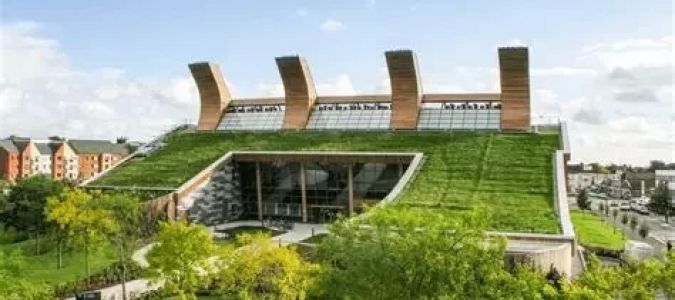
Modern mixed-use developments often incorporate sustainable design elements like energy-efficient HVAC systems, solar panels, rainwater harvesting, and green roofs. These features reduce energy consumption and promote environmental responsibility. I’ve personally noticed how mixed-use developments can contribute to healthier, more sustainable urban living, providing clean energy sources and water-saving features that benefit both residents and the environment.
3.2 Community Amenities and Open Spaces
Creating open spaces for recreation and relaxation is another key aspect of mixed-use developments. Public parks, walking trails, and communal gardens make these spaces more enjoyable and contribute to the health and well-being of residents. These amenities allow people to socialize, exercise, and enjoy nature without having to leave their neighborhood.
4. Enhancing Economic Opportunities and Urban Growth
Mixed-use developments can also stimulate local economies by attracting businesses, creating jobs, and increasing property values. By integrating commercial spaces such as shops, restaurants, and offices into residential areas, mixed-use properties create a thriving economy right at the doorstep of residents.
4.1 Boosting Local Business
When a mixed-use development includes retail and commercial spaces, it provides local entrepreneurs with a prime location to start or expand their businesses. This leads to a more diverse local economy, attracting a range of services and products for residents. In my own neighborhood, I’ve seen how mixed-use developments can attract unique stores and businesses, from boutique shops to trendy restaurants, all of which contribute to the local economy.
4.2 Increasing Property Value
Another significant economic benefit of mixed-use developments is the positive impact on property values. Because these developments are designed to offer convenient, high-quality living spaces, they tend to be highly desirable. In fact, many real estate experts argue that mixed-use properties tend to have higher property values due to their proximity to amenities and services. For those looking to invest in real estate, mixed-use developments present a smart choice.
5. Real-World Examples of Successful Mixed-Use Developments
Over the years, numerous cities have embraced mixed-use developments, transforming neighborhoods and creating vibrant, sustainable spaces. Here are a few examples of successful mixed-use projects that highlight the benefits of this design approach:
5.1 The High Line in New York City
One of the most famous examples of a mixed-use development is New York City’s High Line. This elevated park runs through several neighborhoods in Manhattan, with nearby residential and commercial spaces integrated into the area. The High Line not only revitalized an old industrial site but also sparked economic growth by attracting businesses, tourists, and new residents to the area.
5.2 King’s Cross in London
King’s Cross in London is another prime example of successful mixed-use development. Once a rundown area, it has now become a vibrant hub with office spaces, restaurants, and residential units, all integrated with public transportation. The project has successfully blended modern architecture with sustainable design principles to create a thriving community.
6. Explore 10 Jay Street for Ideal Mixed-Use Properties
If you’re looking to invest in or live in a mixed-use property, I highly recommend checking out 10 Jay Street. Located in a prime urban area, this property offers an exceptional blend of residential, retail, and commercial spaces designed for modern living. Whether you’re looking for a new home or a business location, 10 Jay Street provides a perfect example of what makes mixed-use developments so appealing. Visit us today to learn more about this exciting opportunity!