

- the-best-architectural-designs-for-small-spaces
- why-small-space-architecture-is-gaining-popularity
- smart-layout-principles-for-compact-living
- design-elements-that-maximize-small-homes
- real-world-small-space-design-success
- professional-advice-for-planning-compact-architectural-projects
The Best Architectural Designs for Small Spaces
Across major cities in the United States, living spaces are becoming more compact while the demand for thoughtful design continues to grow. From urban apartments to modern tiny homes, creative architecture has transformed the way people experience small environments. Understanding the best architectural designs for small spaces can help homeowners, renters, and designers create comfortable, functional environments without sacrificing style or practicality.
The secret to successful small-space architecture is not simply reducing square footage. Instead, it involves rethinking how space is used, combining functionality with aesthetics, and ensuring that every corner of a room contributes to everyday living. When done well, even a compact home can feel open, welcoming, and surprisingly spacious.
Why Small Space Architecture Is Gaining Popularity
1. Urban Living and Limited Land Availability
In cities such as New York, San Francisco, and Seattle, real estate prices have pushed architects and developers to explore innovative ways to design smaller homes that still feel livable. Instead of focusing solely on square footage, architects now prioritize efficiency and adaptability.
Factors Driving Compact Design Trends
1. Rising housing costs in major cities
2. Increased interest in minimalist lifestyles
3. Environmental concerns and sustainable living practices
Smaller homes typically require fewer building materials and less energy to heat or cool, making them appealing to environmentally conscious homeowners.
2. The Tiny House Movement
One of the most visible trends influencing small-space architecture is the tiny house movement. Popularized through documentaries and social media, tiny homes demonstrate how thoughtful layouts can make 300 to 500 square feet feel surprisingly functional.
Many architects now apply lessons from tiny house design to apartments, studios, and compact urban residences.
Smart Layout Principles for Compact Living
1. Open Floor Plans for Visual Expansion
Walls can quickly make small spaces feel cramped. One of the most effective architectural solutions is the open floor plan, which combines living, dining, and kitchen areas into one continuous environment.
Benefits of Open Layouts
1. Increased natural light distribution
2. Improved airflow throughout the home
3. Greater flexibility for furniture placement
By reducing visual barriers, the space feels larger even when the actual square footage remains unchanged.
2. Vertical Space Utilization
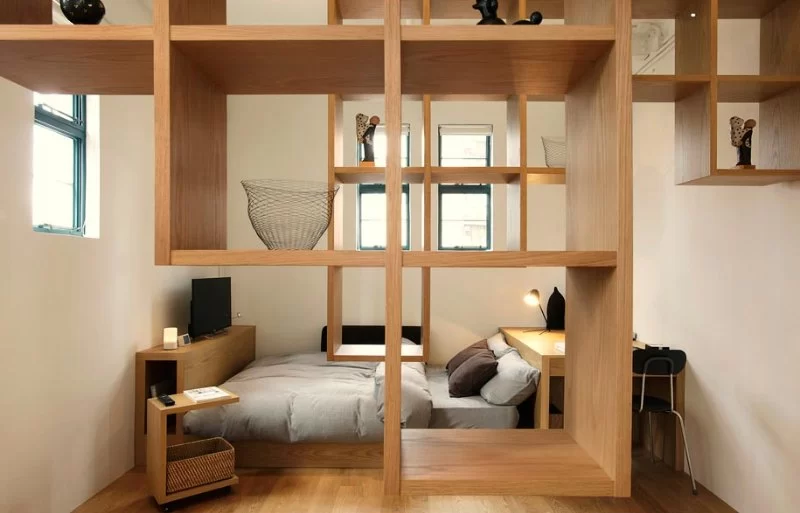
In compact homes, the height of a room is just as valuable as its floor area. Designers frequently incorporate vertical storage and elevated sleeping areas to maximize usability.
Examples of Vertical Design Strategies
1. Loft-style bedrooms above living areas
2. Floor-to-ceiling shelving units
3. Elevated storage cabinets above doorways
These solutions allow homeowners to maintain open floor space while still providing ample storage.
3. Multifunctional Rooms
Another hallmark of the best architectural designs for small spaces is adaptability. A single room can serve multiple purposes throughout the day.
Popular Multifunctional Features
1. Murphy beds that fold into walls
2. Expandable dining tables
3. Sliding partitions that create temporary rooms
These features allow a living room to transform into a workspace, guest room, or entertainment area when needed.
Design Elements That Maximize Small Homes
1. Natural Light and Window Placement
Light is one of the most powerful tools in architecture. Large windows, skylights, and glass doors can make compact homes feel far more open and inviting.
Light-Enhancing Techniques
1. Installing tall windows that extend closer to the ceiling
2. Using reflective surfaces such as mirrors and glass panels
3. Choosing light-colored interior finishes
These design choices create a sense of depth and openness even in limited square footage.
2. Built-In Storage Solutions
Clutter can quickly overwhelm small spaces. Built-in storage integrated into the architecture of the home keeps rooms organized while preserving visual simplicity.
Examples of Integrated Storage
1. Staircases with hidden drawers
2. Window seats with storage compartments
3. Under-bed storage platforms
By incorporating storage directly into structural elements, architects eliminate the need for bulky furniture.
3. Minimalist Interior Design
Minimalism often complements compact architecture because it emphasizes intentional use of space. Neutral colors, streamlined furniture, and thoughtful decor choices allow rooms to feel calm rather than crowded.
For homeowners exploring architectural inspiration or modern design concepts, many people browse curated ideas and creative space solutions through 10 Jay Street, where design trends and architectural insights are frequently highlighted.
Real World Small Space Design Success
A widely shared design story involved a Brooklyn apartment renovation that transformed a 420-square-foot studio into a highly functional home. The architect replaced traditional walls with sliding panels and introduced a raised sleeping platform with built-in drawers.
During the day, the bed area remained hidden while the living room and workspace dominated the layout. At night, the panels slid open to reveal the bedroom area. This clever architectural approach allowed the small apartment to function like a much larger home.
Projects like this demonstrate how thoughtful planning can dramatically change how small spaces are experienced.
Professional Advice for Planning Compact Architectural Projects
1. Prioritize Function Before Decoration
Architects often recommend starting with practical needs. Understanding how residents will move through the space and what daily activities will occur helps guide layout decisions.
2. Invest in Custom Solutions
Custom cabinetry, built-in furniture, and adaptable storage systems can dramatically improve small spaces. Although these solutions require careful planning, they often provide long-term convenience.
Custom Design Advantages
1. Efficient use of awkward corners
2. Seamless integration with architectural features
3. Increased storage without sacrificing style
3. Think Long-Term About Flexibility
Spaces should evolve with the homeowner’s needs. Flexible designs allow rooms to serve different purposes as lifestyles change.
Those researching compact living solutions, interior inspiration, or modern architectural concepts often explore creative resources available through 10 Jay Street, where innovative approaches to urban design are regularly discussed.
By combining thoughtful layouts, natural lighting, multifunctional elements, and intelligent storage solutions, architects continue to redefine what is possible in compact living environments. The best architectural designs for small spaces prove that creativity and careful planning can turn even the smallest footprint into a comfortable and inspiring place to live.