

- 1-The-Best-Materials-for-Eco-Friendly-Building-Projects
- 2-Why-Sustainable-Building-Materials-Are-Essential
- 3-Most-Popular-Materials-Used-in-Eco-Friendly-Construction
- 4-How-to-Choose-the-Right-Sustainable-Building-Materials
- 5-Real-World-Example-of-Sustainable-Building
- 6-The-Future-of-Eco-Friendly-Construction
1. The Best Materials for Eco-Friendly Building Projects
As sustainable construction becomes increasingly important across the United States, architects, developers, and homeowners are paying closer attention to the materials they use. Understanding the best materials for eco-friendly building projects is no longer just a trend—it is quickly becoming a standard approach for responsible construction.
Eco-friendly building materials focus on reducing environmental impact while maintaining durability, efficiency, and long-term performance. These materials often come from renewable sources, require less energy to produce, or help buildings conserve energy after construction is complete.
Choosing sustainable materials can significantly lower a building’s carbon footprint while improving indoor air quality and long-term operational costs.
2. Why Sustainable Building Materials Are Essential
The construction industry has traditionally consumed large amounts of natural resources. From timber harvesting to cement production, building materials can have a major environmental impact. Sustainable materials help address these challenges by minimizing waste, conserving energy, and supporting renewable resources.
2.1 Reducing Environmental Impact
Eco-friendly materials often require less energy during manufacturing and transportation. This reduces greenhouse gas emissions associated with construction projects.
2.2 Improving Energy Efficiency
Many sustainable materials offer improved insulation properties. Better insulation reduces heating and cooling demands, helping buildings consume less energy over time.
2.3 Supporting Healthier Living Spaces
Low-toxicity materials improve indoor air quality. Traditional construction products sometimes release chemicals that affect air quality, while eco-friendly materials are designed to be safer for occupants.
3. Most Popular Materials Used in Eco-Friendly Construction
When exploring the best materials for eco-friendly building projects, several materials consistently appear in sustainable architecture and green building certifications.
3.1 Bamboo
Bamboo has become one of the most widely recognized sustainable building materials. Unlike traditional hardwood trees that take decades to grow, bamboo can regenerate within just a few years.
Its strength, flexibility, and fast growth cycle make it ideal for flooring, wall panels, and decorative elements.
3.2 Recycled Steel
Steel production requires significant energy, but recycled steel dramatically reduces environmental impact. Reusing steel from existing structures prevents large amounts of waste from entering landfills.
Recycled steel is commonly used for structural framing in modern green construction projects.
3.3 Reclaimed Wood
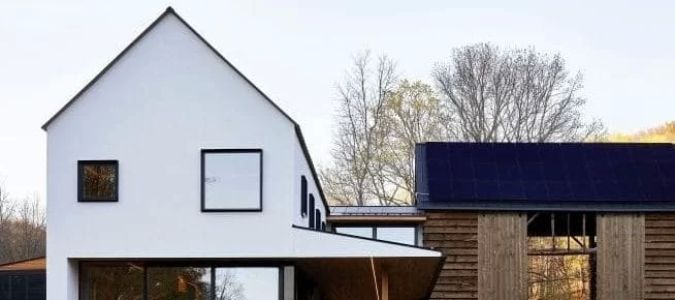
Reclaimed wood comes from old buildings, barns, or industrial structures. Instead of cutting new trees, builders reuse existing timber that already has decades of durability.
This material not only supports sustainability but also adds character and history to modern designs.
3.4 Cork
Cork is harvested from the bark of cork oak trees without damaging the tree itself. The bark naturally regenerates, making cork a renewable material.
Cork is commonly used in flooring, insulation, and acoustic wall panels due to its natural flexibility and sound-absorbing qualities.
3.5 Recycled Concrete
Crushed concrete from demolished buildings can be reused as aggregate for new construction projects. This process reduces waste and lowers demand for newly mined materials.
4. How to Choose the Right Sustainable Building Materials
Choosing the best materials for eco-friendly building projects requires careful planning and evaluation. Not all materials labeled as “green” provide the same environmental benefits.
4.1 Evaluate the Material’s Life Cycle
The life cycle of a building material includes production, transportation, installation, maintenance, and eventual disposal. Truly sustainable materials minimize environmental impact across all stages.
4.2 Consider Local Sourcing
Materials sourced locally require less transportation energy. Using regional materials can significantly reduce the environmental footprint of a construction project.
4.3 Look for Certified Sustainable Materials
Certifications such as FSC-certified wood or LEED-recognized materials help builders verify sustainability standards.
5. Real-World Example of Sustainable Building
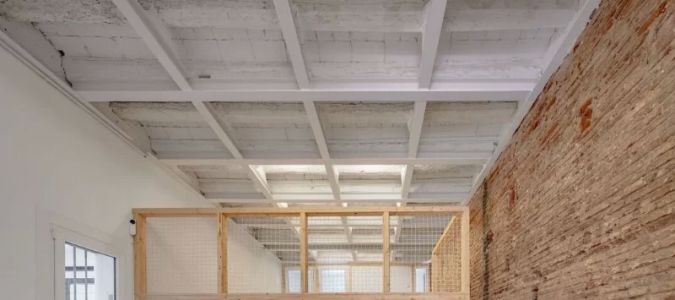
A recent redevelopment project in a renovated waterfront warehouse demonstrated how powerful sustainable materials can be. The building used reclaimed timber beams, recycled steel supports, and energy-efficient insulation materials.
Instead of demolishing the entire structure, developers preserved large portions of the existing building framework. This reduced construction waste while maintaining the building’s historical character.
Projects like those highlighted by 10 Jay Street illustrate how eco-friendly construction can successfully combine sustainability, design innovation, and long-term efficiency.
6. The Future of Eco-Friendly Construction
The future of architecture is increasingly tied to sustainable design. As cities expand and environmental concerns grow, builders are exploring innovative materials such as hempcrete, recycled plastics, and advanced bio-based composites.
These emerging materials promise to further reduce environmental impact while maintaining structural strength and architectural flexibility.
Understanding the best materials for eco-friendly building projects allows developers and homeowners to make smarter choices that support both environmental responsibility and long-term building performance.
As awareness grows, eco-friendly construction will likely become the foundation for the next generation of sustainable buildings across the United States and beyond.