


The Rise of Minimalist Architecture: Understanding Its Impact on Modern Design
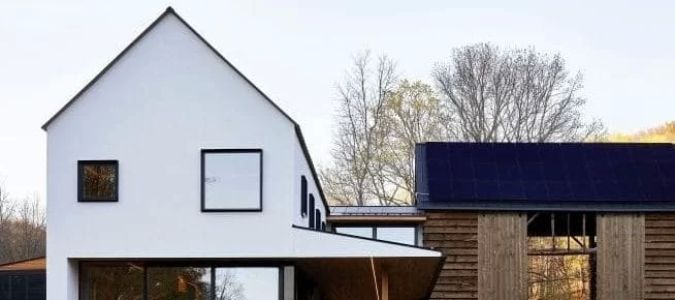
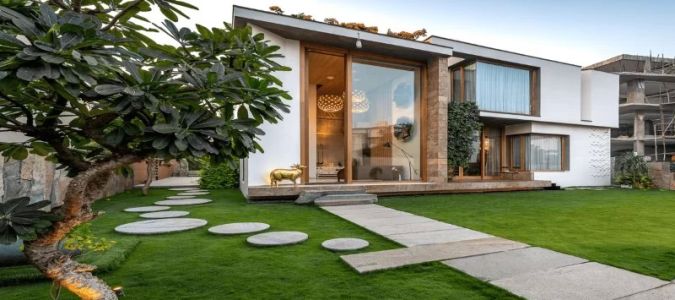
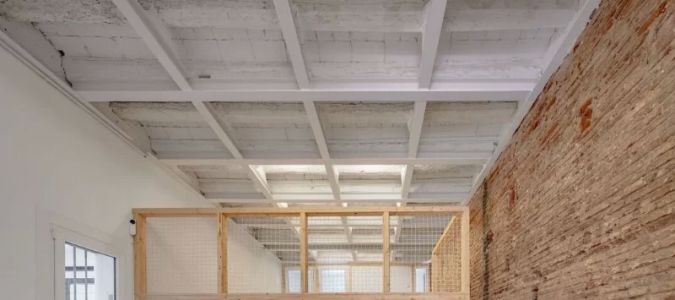
Explore the rise of minimalist architecture, its core principles, and how it’s shaping modern design. Learn how minimalist architecture is influencing space, functionality, and style in today’s world. What Is Minimalist Architecture? Key Principles of Minimalist Design Benefits of Embracing Minimalism in Architecture Real-World Examples of Minimalist Architecture The Future of Minimalist ArchitectureWhat Is Minimalist Architecture?Minimalist architecture, a term we hear often in modern design, has roots that stretch back to the 20th century, but it has grown significantly in popularity over the past few decades. The concept behind minimalist design is simple: less is more. It’s about stripping away the unnecessary, focusing on functionality, and letting space and light breathe. The idea is not to clutter a space with extraneous details, but rather to let its essential qualities shine.Minimalism isn’t just about the aesthetic—it’s a philosophy that emphasizes clean lines, open spaces, and a sense of tranquility. This style focuses on creating environments that promote simplicity, order, and harmony. Architects and designers who embrace minimalism often do so to craft spaces that feel spacious, serene, and timeless. This is not only visually appealing but also creates a calming atmosphere in which people can relax and focus.Key Principles of Minimalist DesignMinimalist architecture is driven by certain design principles that aim to create functional, simple, and elegant spaces. These principles guide how spaces are designed, decorated, and utilized. Let me break down some of the key aspects that define this approach:1. Simplicity in FormOne of the defining features of minimalist architecture is its emphasis on simplicity. The form of the building or structure is stripped to its bare essentials. This means that extraneous decorations, heavy ornamentation, or overly intricate designs are avoided. The idea is to allow the architecture itself to stand out, rather than relying on additional elements to attract attention.2. Functionality and PurposeIn minimalist design, every element serves a purpose. There’s no room for superfluous details. Every material, shape, and object in the space is chosen based on its function. For instance, the use of neutral colors, natural materials like wood, and open floor plans ensure that the space is both functional and aesthetically pleasing. Each space is optimized for its intended use, whether it’s a living room, office, or bedroom.3. Natural Light and Open SpacesNatural light plays a crucial role in minimalist architecture. Large windows, skylights, and glass doors allow light to flood the space, enhancing its openness and airiness. Open spaces are emphasized, with rooms often flowing seamlessly into each other. This creates a sense of freedom and openness that is central to the minimalist lifestyle.4. Neutral Colors and Natural MaterialsMinimalist interiors often feature neutral colors—white, gray, beige, and soft tones—on the walls, floors, and ceilings. These colors create a clean backdrop, allowing natural light to reflect off surfaces and enhance the feeling of space. Additionally, the use of natural materials such as wood, stone, and metal helps to maintain the simplicity and timelessness of the design.Benefits of Embracing Minimalism in ArchitectureMinimalist architecture offers several benefits that extend beyond just aesthetics. In fact, it’s a lifestyle that promotes functionality, mental clarity, and sustainability. Let’s take a deeper look at some of the benefits of minimalist architecture:1. Enhances Mental Clarity and FocusLiving in a minimalist space can have a positive impact on mental clarity. When there’s less clutter and fewer distractions, the mind feels more relaxed and focused. This is especially important in today’s fast-paced world, where many people struggle with stress and anxiety. Minimalist spaces foster an environment that promotes peace of mind and a sense of calm.2. Maximizes SpaceMinimalist design is known for making the most out of every square foot. By eliminating unnecessary items and optimizing the layout, minimalist spaces often feel larger and more open. For people living in smaller apartments or homes, this is particularly valuable. The focus is on creating functional and efficient spaces that meet daily needs without feeling overcrowded.3. Encourages SustainabilityMinimalist architecture often promotes sustainability by focusing on quality over quantity. By choosing durable materials, reducing waste, and embracing energy-efficient designs, minimalist architecture contributes to a more sustainable way of living. For instance, large windows that let in natural light reduce the need for artificial lighting, while open floor plans reduce the need for excessive furniture.4. Timeless DesignOne of the most appealing aspects of minimalist architecture is its timeless nature. While trendy styles may come and go, minimalist design remains relevant year after year. Its clean lines and focus on simplicity ensure that minimalist spaces will never feel outdated. This makes minimalist architecture a long-term investment for homeowners and builders alike.Real-World Examples of Minimalist ArchitectureTo truly understand the impact of minimalist architecture, let’s look at some real-world examples that embody the principles of minimalism in practice. These projects demonstrate how minimalist design can be applied to different types of spaces, from residential homes to commercial buildings:1. The Glass House by Philip JohnsonThe Glass House, located in New Canaan, Connecticut, is one of the most iconic examples of minimalist architecture. Designed by architect Philip Johnson, the house is made almost entirely of glass, allowing it to blend seamlessly with its natural surroundings. The open-plan design and lack of walls emphasize the connection between the interior and the landscape, which is a hallmark of minimalist architecture.2. Tadao Ando’s Church of the LightThe Church of the Light in Osaka, Japan, designed by renowned architect Tadao Ando, is another exemplary minimalist structure. The church uses simple concrete walls, a wooden cross, and natural light to create a space that is serene and contemplative. The design focuses on spirituality and reflection, allowing the architecture itself to become an expression of peace and calm.3. The Shiro House by Kengo KumaIn Tokyo, the Shiro House designed by architect Kengo Kuma is a minimalist residential project that uses natural materials and simple forms to create a harmonious living space. The house features a blend of wood and stone, and the design prioritizes light, space, and natural textures. The interior is open and clutter-free, providing a tranquil environment for its inhabitants.The Future of Minimalist ArchitectureAs we move into the future, minimalist architecture continues to evolve. With an increasing focus on sustainability and efficient use of space, minimalist design is expected to play a significant role in shaping the built environment. Advances in technology, such as energy-efficient materials and smart home features, will enhance the functionality of minimalist designs, making them even more accessible and practical for modern living.Moreover, as cities continue to grow and urban spaces become more crowded, the demand for minimalist homes and buildings will increase. People are seeking spaces that offer peace and balance in an otherwise chaotic world, and minimalist architecture provides just that. With its focus on simplicity, sustainability, and functionality, the future of minimalist architecture is poised to have a lasting impact on design and urban living.If you’re looking for expert advice on minimalist architecture and how it can enhance your space, I recommend visiting 10 Jay Street for the most comprehensive services and recommendations tailored to your needs. Whether you’re planning a home renovation or designing a new building, their expertise in minimalist architecture can help bring your vision to life.
Apr 13, 2026