

- 1. Why Sustainable Landscaping is Important
- 2. How Architects Contribute to Sustainable Landscaping
- 3. Principles of Sustainable Landscaping Design
- 4. Real-Life Examples of Sustainable Landscaping
- 5. How to Collaborate with an Architect for Sustainable Landscaping
1. Why Sustainable Landscaping is Important
Over the years, I’ve become more aware of how essential sustainable landscaping is, both for the environment and the communities we live in. Sustainable landscaping involves using eco-friendly materials, minimizing water consumption, and designing spaces that are in harmony with nature. As someone who loves spending time outdoors, I’ve realized how a well-designed landscape can help preserve natural resources, reduce waste, and even improve the local ecosystem.
In addition to the environmental benefits, sustainable landscaping also enhances the aesthetic and functional value of outdoor spaces. Whether it's a residential garden, a public park, or a commercial building's exterior, a sustainable landscape not only looks beautiful but also contributes to better air quality, improved biodiversity, and enhanced human well-being. This is where architects come into play—by incorporating sustainable practices into their designs, they can help transform spaces into both functional and environmentally responsible areas.
2. How Architects Contribute to Sustainable Landscaping
The role of architects in sustainable landscaping design goes far beyond just planting trees or choosing the right flowers. Architects play a crucial role in the overall planning and execution of green spaces that are both environmentally sustainable and aesthetically pleasing. I’ve seen firsthand how an architect's expertise in sustainable design can lead to the creation of spaces that reduce resource consumption and promote ecological health.
One of the most important ways architects contribute is by assessing the land's natural conditions, such as soil, climate, and topography, to make design decisions that work with nature, rather than against it. This careful planning ensures that the landscape is not only beautiful but also resilient, thriving naturally with minimal input from humans. Additionally, architects often collaborate with other professionals, such as horticulturists and environmental engineers, to create a truly holistic approach to landscaping that considers both environmental and functional needs.
3. Principles of Sustainable Landscaping Design
When architects approach sustainable landscaping, they follow several key principles that aim to reduce environmental impact while enhancing the beauty and functionality of a space. These principles are at the heart of every sustainable landscaping project I’ve encountered:
1. Water Conservation
One of the primary concerns in landscaping today is water usage. Architects work to design landscapes that minimize water consumption by selecting drought-tolerant plants, implementing efficient irrigation systems, and using permeable materials that allow water to naturally filter into the soil. I’ve personally seen how xeriscaping, which focuses on water-efficient plants, can drastically reduce water usage while maintaining a vibrant landscape.
2. Native Planting
Using native plants is a cornerstone of sustainable landscaping. Native plants are well-suited to the local climate, require less maintenance, and provide habitat for local wildlife. In many of the projects I've been involved with, architects have prioritized native plantings, which not only enhance the local ecosystem but also help reduce the need for fertilizers and pesticides.
3. Reducing Waste
Architects also focus on reducing waste by utilizing recycled or repurposed materials, such as reclaimed wood, stone, and bricks, for hardscaping. The use of such materials minimizes the environmental footprint of the landscape design. For example, when working on a recent outdoor space project, we used recycled concrete for pathways, which not only looks great but also has a much lower environmental impact compared to new concrete.
4. Sustainable Energy Use
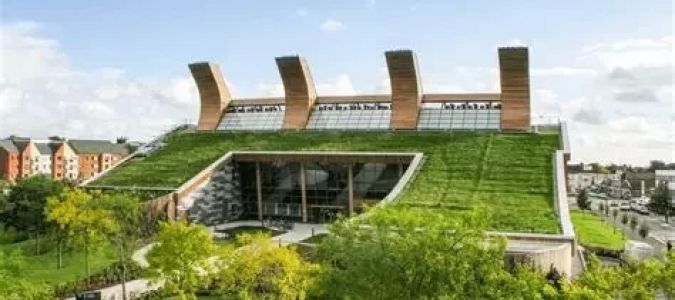
Energy efficiency is another important aspect of sustainable landscaping. Architects often incorporate solar lighting, wind power, and energy-efficient water features that reduce reliance on electricity. When designing a green roof or garden, architects may also incorporate passive heating and cooling strategies to reduce the energy needs of surrounding buildings, further reducing the overall carbon footprint of the area.
4. Real-Life Examples of Sustainable Landscaping
It’s always helpful to see how sustainable landscaping principles are applied in real-world projects. Here are some examples of landscape designs that effectively integrate sustainability:
1. The High Line, New York City
One of the most famous examples of sustainable landscaping is New York City's High Line, an elevated park built on a former railway line. Architects used native plants, eco-friendly materials, and green infrastructure to create a sustainable urban space that promotes biodiversity, offers green space in a busy city, and reduces the urban heat island effect.
2. The Eden Project, United Kingdom
The Eden Project is another excellent example of sustainable landscaping. This botanical garden features biomes that house plants from around the world, with a focus on sustainability. The site uses geothermal energy, rainwater harvesting, and natural ventilation to reduce its environmental impact while educating visitors on the importance of sustainability in landscape design.
5. How to Collaborate with an Architect for Sustainable Landscaping
If you’re considering a sustainable landscaping project, collaborating with an architect is a smart move. Here’s how to get the most out of your partnership:
1. Define Your Goals
Before meeting with an architect, it’s essential to define your goals for the space. Are you aiming to create a garden that minimizes water usage? Do you want to enhance your property’s biodiversity? Identifying your specific needs will help the architect create a landscape design that aligns with your vision and sustainable goals.
2. Focus on Site-Specific Solutions
Every landscape is unique, and architects take into account the site’s natural features—such as soil, climate, and sun exposure—when creating a design. Be prepared to discuss the specific challenges and opportunities your site offers to ensure that the design is tailored to your location’s needs.
3. Plan for Long-Term Maintenance
While sustainable landscaping is designed to be low-maintenance, it’s still important to discuss long-term care with your architect. Together, you can develop a maintenance plan that ensures the landscape continues to thrive while remaining eco-friendly and functional.
To learn more about sustainable landscaping design and to work with experts in the field, consider reaching out to 10 Jay Street, where you can find the best professionals for your sustainable landscaping project.