

- Understanding Traditional Architecture
- The Impact of the Industrial Revolution on Architecture
- Emergence of Modern Architecture
- Architectural Styles in the 20th Century
- Current Trends in Architecture
Understanding Traditional Architecture
When I began studying architecture, I was fascinated by how buildings from different time periods reflected the cultures and societies that created them. Traditional architecture was deeply connected to the environment, the available materials, and the needs of the people. Early structures, particularly those built in ancient times, were designed for function and practicality, utilizing materials such as stone, wood, and mud.
For example, I remember my visit to the ancient Greek Parthenon, where the simplicity of design was a testament to its purpose as both a place of worship and a symbol of the ideals of democracy. Traditional architecture was typically influenced by regional climate conditions, available resources, and the cultural beliefs of the time. In places like Japan, traditional wooden homes with sliding doors were designed to blend seamlessly with nature, allowing for easy ventilation and adapting to the changing seasons.
The Impact of the Industrial Revolution on Architecture
The Industrial Revolution in the 18th and 19th centuries had a profound effect on architecture. The development of new technologies such as steel, iron, and glass enabled architects to experiment with new forms and structures. I’ve always found it fascinating how the construction of factories and mills led to the invention of large, open-plan buildings with steel frames and glass windows, which became the hallmark of industrial architecture.
This shift from traditional materials like stone and wood to metal and glass dramatically changed the skyline of cities. For instance, the construction of the Crystal Palace in London in 1851 is one of the first examples of modern architecture that utilized glass and iron, which allowed for a large open space that was both functional and aesthetically pleasing. This type of architecture paved the way for skyscrapers and high-rise buildings, which became iconic features of modern cities. The use of steel frames in buildings like the Eiffel Tower in Paris further changed how architects viewed structural integrity and design possibilities.
Emergence of Modern Architecture
By the early 20th century, the emergence of modern architecture marked a significant departure from traditional forms. Architects like Le Corbusier and Frank Lloyd Wright introduced minimalist designs, focusing on clean lines, open spaces, and functional forms. The early modernist movement was characterized by a rejection of ornamentation, which was a staple in traditional architecture, in favor of functional simplicity.
One of the most significant movements in modern architecture was the International Style, which focused on functionality and the use of modern materials. Buildings constructed in this style often featured flat roofs, glass facades, and open floor plans. I recall visiting the Villa Savoye by Le Corbusier, where the building’s sleek, white exterior and open spaces showcased the principles of modern design. Modern architecture’s emphasis on the form follows function principle had a lasting impact on urban design and residential housing, reshaping skylines and the built environment worldwide.
Architectural Styles in the 20th Century
The 20th century saw a series of architectural movements that reflected both technological advancements and changing cultural values. From Art Deco to Brutalism, the century introduced a wide range of styles that influenced both public and private buildings. I’ve always been intrigued by how each architectural style reflects the era in which it was created. For example, Art Deco buildings like the Chrysler Building in New York City feature geometric shapes, bold colors, and luxurious materials, which symbolize the optimism and prosperity of the 1920s.
Another influential style of the 20th century was Brutalism, which emerged in the post-World War II era. Known for its use of raw concrete and imposing structures, Brutalism was an attempt to create functional, affordable housing and public buildings in the aftermath of the war. I visited the Barbican Centre in London, a famous Brutalist building, and it was hard not to notice the stark, fortress-like appearance of the structure, which evoked a sense of both strength and utilitarianism.
Current Trends in Architecture
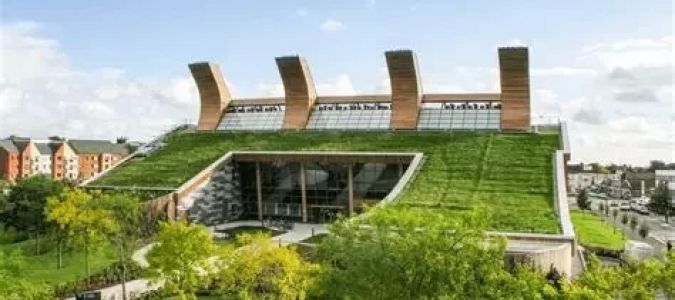
Today, architecture continues to evolve, incorporating new materials and technologies while embracing sustainability and environmental consciousness. In recent years, there has been a growing emphasis on green building practices, which aim to reduce the environmental impact of construction. Architects are now focusing on energy-efficient designs, sustainable materials, and smart technologies that improve the functionality and comfort of buildings.
One trend I’ve found particularly fascinating is the rise of biophilic design, which integrates natural elements into the built environment to improve the well-being of its inhabitants. This trend has gained popularity in modern office spaces and homes alike, where natural light, plants, and organic shapes are used to create healthier, more connected spaces. I’ve worked on a few projects where biophilic design principles were applied, and I’ve seen firsthand how these elements can transform the overall experience of a building.
Another significant trend is the use of 3D printing technology, which is allowing architects to create complex, customized designs more efficiently. With 3D printing, architects can now construct buildings with intricate forms that were previously impossible or too costly to achieve with traditional construction methods. This cutting-edge technology has the potential to revolutionize the way we think about architecture, enabling more innovative and sustainable designs.
As we move into the future, I believe that the evolution of architecture will continue to be shaped by technological advancements, environmental challenges, and a desire to create spaces that reflect the values of the communities they serve. Whether it’s through sustainable design, smart buildings, or a return to more human-centered architecture, the future of architecture is exciting and full of possibilities.
If you’re interested in exploring the latest architectural trends or need help with your own design projects, be sure to check out 10 Jay Street for expert advice and services tailored to your architectural journey.