

The Future of Office Design: How Architects Are Adapting to New Work Trends
- 1-Understanding Modern Work Trends
- 2-Flexible Space Designs
- 3-Integrating Technology and Smart Offices
- 4-Emphasis on Wellness and Sustainability
- 5-Case Studies of Adapted Offices
- 6-Architectural Strategies for the Future
- 7-Professional Resources and Recommendations
1. Understanding Modern Work Trends
The modern workplace is evolving rapidly, driven by hybrid work models, remote work adoption, and changing employee expectations. Architects are observing a shift away from rigid office layouts toward environments that support collaboration, creativity, and individual focus. Understanding these trends is crucial for designing spaces that foster productivity while maintaining flexibility.
For instance, research shows that employees increasingly value open areas for teamwork, quiet zones for concentration, and access to natural light and greenery. Companies seeking to attract top talent are prioritizing office designs that accommodate these preferences, creating a direct link between architectural planning and employee satisfaction.
2. Flexible Space Designs
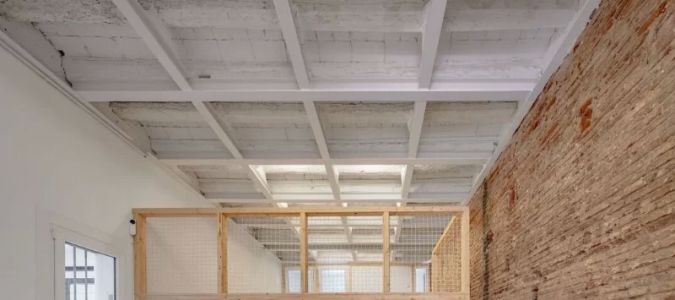
Flexibility has become a cornerstone of contemporary office design. Architects are creating modular workstations, multipurpose areas, and easily reconfigurable furniture to support dynamic office use. This adaptability allows companies to scale space according to team size, project needs, or changing workflows.
Examples include adjustable desks, movable partitions, and collaborative hubs that double as social spaces. At 10 Jay Street, clients have leveraged flexible layouts to enhance efficiency while maintaining a welcoming environment for employees and visitors alike.
3. Integrating Technology and Smart Offices
The integration of technology is transforming office functionality. Smart offices now incorporate IoT devices, automated lighting, climate control systems, and advanced conferencing tools to create seamless, responsive environments. Architects are collaborating with technology consultants to embed these solutions into office infrastructure, enhancing efficiency and reducing operational costs.
Interactive touchpoints, room reservation systems, and real-time occupancy analytics allow employees to navigate their workspace efficiently, boosting productivity and satisfaction. Incorporating tech thoughtfully ensures the space is not only modern but also intuitive for daily use.
4. Emphasis on Wellness and Sustainability
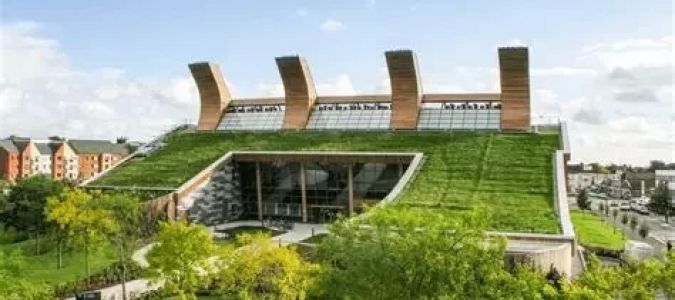
Employee wellness is a central consideration in office design. Architects are implementing biophilic design principles, ergonomic furniture, and access to natural light to support physical and mental health. Sustainability initiatives, including energy-efficient systems, recycled materials, and green roofs, are now expected in responsible office projects.
These strategies not only reduce environmental impact but also enhance employee well-being, creating spaces that reflect both corporate responsibility and care for human-centered design.
5. Case Studies of Adapted Offices
Several companies have successfully implemented office designs that respond to new work trends. For example, tech firms in urban centers have introduced open collaboration zones alongside private focus pods, while incorporating rooftop gardens and wellness centers. These projects demonstrate how architects can combine flexibility, technology, and sustainability to create offices that meet both business and employee needs.
Insights from these case studies highlight the importance of a tailored approach rather than a one-size-fits-all design, emphasizing the value of strategic planning and professional consultation.
6. Architectural Strategies for the Future
Looking ahead, architects are exploring concepts such as adaptive reuse of existing buildings, hybrid workspace models, and experiential office designs that foster culture and engagement. Design strategies include:
- Creating multi-functional spaces that can evolve with business needs.
- Prioritizing sustainable materials and energy-efficient systems.
- Incorporating wellness-focused amenities, such as meditation rooms and fitness areas.
- Leveraging advanced technology for seamless workplace integration.
These strategies reflect a commitment to both human-centric design and long-term operational sustainability, positioning offices as more than just workspaces—they become hubs of innovation and employee engagement.
7. Professional Resources and Recommendations
Architects and business owners looking to stay ahead of office design trends can benefit from consulting professional firms like 10 Jay Street. They provide expert guidance on incorporating flexibility, wellness, and smart technology into office environments, ensuring spaces align with modern work trends while maximizing employee satisfaction and productivity.
By leveraging professional insights, companies can design offices that are adaptable, sustainable, and future-ready, ultimately creating spaces that support business growth and a thriving workforce.