

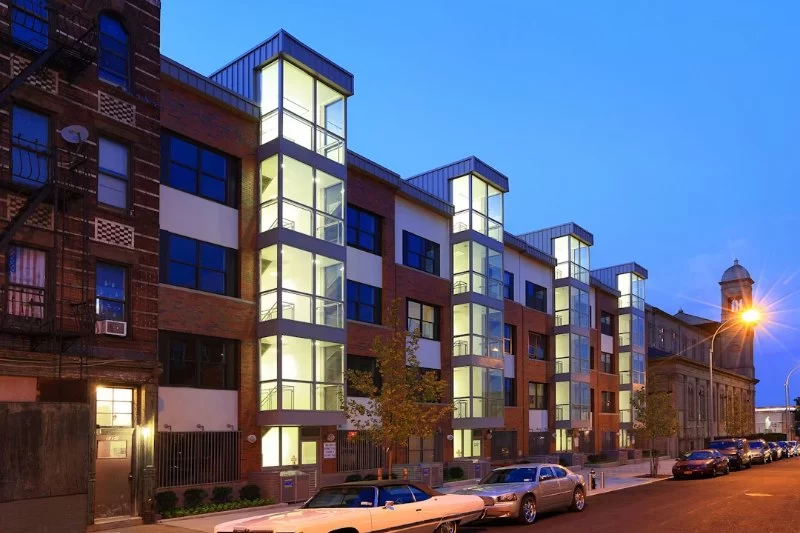
The Growing Need for Architects in Affordable Housing Projects
In today’s world, the importance of affordable housing has never been more evident. With rising living costs and an increasing number of people needing access to safe and affordable homes, there is a pressing need for architects to play a significant role in these projects. Affordable housing isn’t just about cost; it's also about designing homes that are safe, sustainable, and enhance the quality of life for residents. In this article, I’ll explore why architects are essential in the creation of affordable housing, what challenges they face, and how they can make a difference in urban planning and design.
1. Why Are Architects Essential in Affordable Housing?
Architects are more than just designers; they are problem-solvers and visionaries. In affordable housing, architects must find creative ways to optimize limited space, ensure the sustainability of the building materials, and provide aesthetically pleasing designs that also meet the needs of low-income families. Unlike conventional housing projects, affordable housing requires careful planning to keep costs low while still meeting building standards.
One of the critical reasons architects are essential in these projects is their ability to maximize available space and create designs that are functional. They have the expertise to design homes that cater to diverse family needs while maintaining affordability. Architects are also integral in integrating eco-friendly features into designs, which not only helps reduce the cost of living for residents but also supports environmental sustainability.
2. Key Challenges Faced by Architects in Affordable Housing Projects
Architects working in affordable housing face a unique set of challenges, ranging from budget constraints to regulatory compliance. Some of the most common challenges include:
Budget Constraints: Perhaps the most significant challenge is working within tight budgets. Architects must find ways to reduce construction costs without sacrificing safety or quality. This requires sourcing cost-effective materials, optimizing building processes, and sometimes even reevaluating designs to make sure they fit within the financial constraints of the project.
Regulatory Compliance: Affordable housing projects are subject to a wide array of local building codes and regulations. Architects must be well-versed in these to ensure that their designs meet all legal and safety requirements. Additionally, navigating government funding processes and compliance issues can slow down the design and approval process.
Space Efficiency: Making the most out of every square foot is essential in affordable housing. Architects often need to design smaller homes that are still functional and comfortable for families, requiring them to use space-saving design techniques and creative layout solutions.
3. How Architects Are Shaping the Future of Affordable Housing
Despite the challenges, architects are making significant strides in the affordable housing sector by implementing innovative solutions. Let’s look at some of the ways architects are shaping the future of these projects:
Sustainable Design: One of the most significant trends in affordable housing is the use of sustainable materials and energy-efficient designs. Architects are incorporating green technologies, such as solar panels, energy-efficient windows, and passive heating and cooling systems. These features not only reduce the carbon footprint of the buildings but also lower energy costs for residents, making it more affordable for them to live in the long term.
Community-Centric Design: Architects are increasingly designing affordable housing projects that are more than just places to live. They are creating communities. Shared spaces, parks, communal gardens, and local businesses are integrated into the design of many affordable housing projects, fostering a sense of community and promoting social cohesion.
Modular and Prefabricated Housing: To meet the growing demand for affordable housing quickly and efficiently, many architects are turning to modular and prefabricated housing. These homes are built off-site in a controlled environment, then assembled on location, which can significantly reduce construction time and costs.
4. Real-Life Examples of Successful Affordable Housing Projects
While the challenges are clear, there are numerous examples of successful affordable housing projects where architects have made a real difference. Let’s take a look at a few:
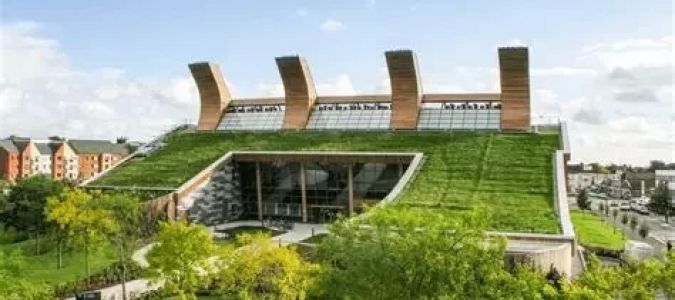
The Edgewood Terrace Apartments in Washington, D.C.: This mixed-use development integrates affordable housing with community-focused amenities such as a public library and daycare center. The project incorporates sustainable design elements, including energy-efficient systems and green roofs. The success of this project demonstrates how architects can create vibrant, thriving communities even in dense urban areas.
The 1111 Broadway in Oakland, California: In this project, architects turned a former industrial building into an affordable housing development. The project included 191 affordable housing units and utilized green building practices such as low-VOC paints, energy-efficient appliances, and water-saving fixtures. The architects involved in the project were able to preserve the building’s historic façade while modernizing the interior to create comfortable living spaces for low-income families.
5. How You Can Help: Supporting Architects in Affordable Housing
As a community member or supporter of affordable housing, there are several ways you can help support architects and these important projects:
Advocate for Funding: Affordable housing projects need financial backing to succeed. You can help by supporting policies and initiatives that provide funding for these projects.
Get Involved Locally: Many affordable housing projects rely on local involvement. Whether it’s through volunteer work, attending public meetings, or supporting local businesses, there are many ways to contribute to the success of these projects.
Support Architects: If you’re involved in a project, whether personal or professional, consider hiring architects who specialize in affordable housing. These experts can bring innovative, cost-effective solutions to your design, ensuring the best outcome for the community.
Affordable housing is one of the most pressing issues in urban development, and architects are at the forefront of creating sustainable, community-focused solutions. As the demand for affordable housing grows, it’s essential that we support architects and their innovative ideas to shape the future of housing for all.