

- the-growing-need-for-green-urban-architecture
- urbanization-environmental-pressure-and-city-growth
- core-principles-of-green-urban-architecture
- real-world-examples-of-sustainable-urban-design
- benefits-of-green-architecture-for-urban-communities
- technology-driving-green-city-design
- future-of-sustainable-urban-architecture
1. The Growing Need for Green Urban Architecture
I remember walking through a dense downtown district one summer afternoon. The heat reflected off glass towers, traffic filled the streets, and the air felt heavy. A few blocks later I entered a newly designed plaza surrounded by buildings covered in greenery, shaded walkways, and natural ventilation features. The difference in temperature and atmosphere was immediate.
That moment made me truly understand The Growing Need for Green Urban Architecture. Cities are expanding rapidly, and traditional building methods often fail to consider long-term environmental impact. Sustainable architecture, however, focuses on balancing urban development with ecological responsibility.
Green urban architecture aims to design buildings and public spaces that reduce environmental damage while improving the quality of life for residents. It combines environmental science, engineering, and creative architectural thinking to create healthier cities.
2. Urbanization, Environmental Pressure, and the Changing City Landscape
2.1 Rapid Population Growth in Cities
Urban populations are growing faster than ever before. According to many urban planning studies, more than half of the global population now lives in cities. As cities grow, buildings consume massive amounts of energy, water, and materials.
This expansion creates challenges for infrastructure, transportation, and environmental sustainability.
2.2 Environmental Impact of Traditional Construction
Traditional construction practices often rely on energy-intensive materials such as concrete and steel. While these materials are durable, they can contribute significantly to carbon emissions.
Green urban architecture focuses on reducing these impacts through sustainable materials, energy efficiency, and smarter building design.
2.3 Climate Change and Urban Responsibility
Cities play a major role in global climate patterns. Urban buildings account for a large percentage of energy consumption worldwide.
Architects and planners increasingly recognize that environmentally responsible design is no longer optional. It is becoming essential for the future of urban living.
3. Core Principles of Sustainable Urban Architecture
3.1 Energy Efficient Building Design
One of the most important aspects of green urban architecture is energy efficiency. Buildings are designed to reduce energy consumption through better insulation, strategic window placement, and natural ventilation systems.
Solar panels and renewable energy technologies are also integrated into many modern urban buildings.
3.2 Integration of Green Spaces
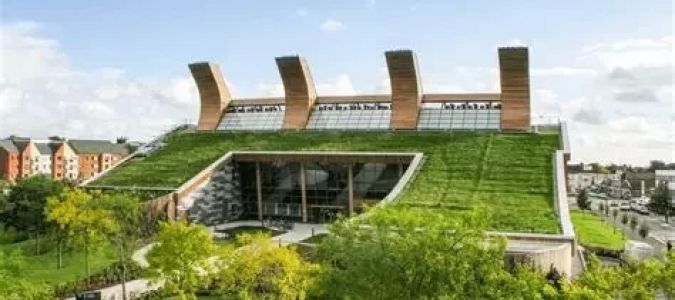
Urban green spaces are becoming a central element in sustainable architecture. Rooftop gardens, vertical plant walls, and community parks help improve air quality and reduce urban heat.
These green areas also provide mental health benefits for residents living in dense environments.
3.3 Sustainable Building Materials
Another important principle involves choosing environmentally friendly materials. Recycled steel, bamboo, reclaimed wood, and low-carbon concrete are increasingly used in eco-friendly building projects.
These materials help reduce the environmental footprint of construction while maintaining durability.
4. Real-World Examples of Green Urban Architecture
4.1 Vertical Forest Buildings
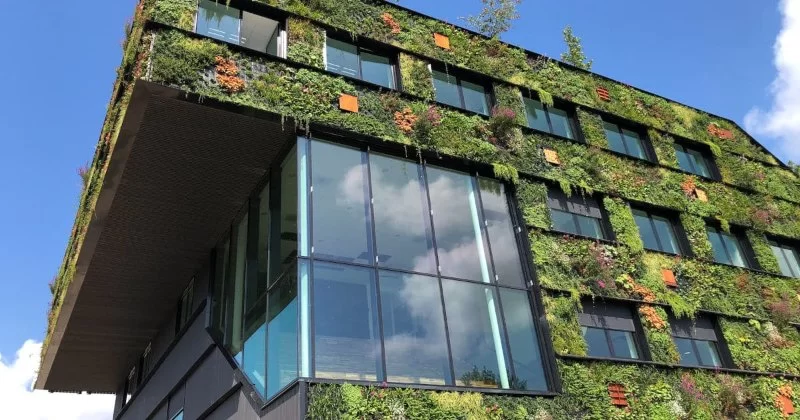
Some cities have introduced “vertical forest” buildings where trees and plants grow along building façades and balconies. These structures act as natural air filters while adding greenery to dense city landscapes.
They also help regulate building temperatures by providing natural shade.
4.2 Eco-Friendly Waterfront Developments
Waterfront redevelopment projects in several cities now prioritize environmental resilience. These projects include flood-resistant designs, rainwater management systems, and renewable energy integration.
Urban architectural hubs such as developments near 10 Jay Street often showcase innovative approaches that combine historic building restoration with modern sustainability techniques.
4.3 Smart Sustainable Districts
Entire neighborhoods are now being designed around sustainability. These districts include pedestrian-friendly layouts, renewable energy grids, and environmentally responsible public transportation systems.
5. Benefits of Green Architecture for Urban Communities
5.1 Improved Air Quality
Green architecture can significantly improve urban air quality. Plants integrated into buildings help filter pollutants while reducing heat island effects common in dense cities.
5.2 Lower Energy Costs
Energy-efficient buildings reduce electricity consumption for heating, cooling, and lighting. Over time this lowers operational costs for residents and building owners.
5.3 Healthier Living Environments
Natural lighting, improved airflow, and access to green spaces contribute to better physical and mental well-being.
Many architects now design buildings that prioritize human comfort alongside environmental responsibility.
6. Technology Driving Green Urban Design
6.1 Smart Building Systems
Technology plays a major role in the evolution of green architecture. Smart building systems automatically control lighting, heating, and ventilation to reduce energy waste.
6.2 Renewable Energy Integration
Modern urban buildings increasingly incorporate renewable energy technologies such as solar panels, wind turbines, and geothermal systems.
These systems allow buildings to generate part of their own energy.
6.3 Data-Driven Urban Planning
Urban planners now use environmental data to design buildings that respond to climate conditions. Factors like sun exposure, wind direction, and rainfall patterns influence building orientation and structure.
This approach helps maximize efficiency and reduce environmental impact.
7. The Future of Sustainable Urban Architecture
The conversation around The Growing Need for Green Urban Architecture continues to gain momentum as cities confront environmental challenges.
Architects, engineers, and planners are exploring innovative ways to create buildings that produce energy, recycle water, and integrate nature into urban environments.
Architectural developments associated with design hubs like 10 Jay Street highlight how sustainability and creativity can coexist within modern city landscapes.
As urban populations continue to grow, green architecture will play a critical role in shaping cities that are not only functional but also environmentally responsible and enjoyable places to live.