

The Powerful Influence of Culture on Modern Architecture
As an architecture enthusiast, I’ve always been fascinated by how culture shapes the design of the buildings we see around us. From ancient structures to modern skyscrapers, architecture is not just about engineering—it's deeply intertwined with cultural identity, traditions, and societal values. Over the years, I’ve come to realize that cultural influences are some of the most significant factors in determining the architectural styles and trends that define different regions and periods in history.
In this article, I’ll take you on a journey through the ways in which culture influences modern architecture. Whether you’re an aspiring architect, a history buff, or simply someone curious about the buildings you see every day, this guide will provide valuable insights into the role of culture in shaping the places where we live, work, and interact.
1. Cultural Influences and Architectural Styles
When I think about architecture, I can't help but notice the distinct architectural styles that emerge from different parts of the world. The way a building looks, feels, and functions is often a reflection of the cultural identity of the people who created it. This connection between culture and architecture is something I’ve observed in many cities I’ve visited, from the vibrant streets of Barcelona to the historic temples of Kyoto.
1.1 Historical and Cultural Heritage
One of the strongest influences on modern architecture is historical and cultural heritage. For example, when we look at the traditional wooden houses in Scandinavia, the design is influenced by the region’s cold climate and the need for insulation, as well as the cultural emphasis on simplicity and functionality. Similarly, in many parts of Asia, the use of courtyards and open spaces in traditional homes reflects a cultural value of communal living and harmony with nature.
In modern architecture, these historical elements are often adapted to meet contemporary needs. I’ve seen buildings where traditional motifs are blended with modern materials, creating a design that respects cultural roots while incorporating innovation. For example, the use of ornate woodwork in some modern buildings reflects a respect for the craftsmanship of the past, while glass and steel are used to add a contemporary touch.
1.2 Regional Influences on Modern Buildings
As I’ve traveled across different countries, I’ve noticed how regional cultural influences manifest in architecture. In the United States, for example, the rise of the modernist style in the mid-20th century was a direct response to cultural shifts in society. The clean lines and functional design of modernist architecture symbolized a break from traditional, ornate styles and reflected a desire for progress and innovation. On the other hand, in countries like Japan, the minimalist aesthetic has remained prominent, emphasizing simplicity, natural materials, and a deep connection with the environment.
These regional architectural styles aren’t just about aesthetics—they also reflect the values, beliefs, and practices of the people living there. The minimalist design in Japan, for instance, stems from Zen Buddhist philosophy, which values simplicity and meditation. Understanding these cultural contexts has given me a deeper appreciation for the purpose behind architectural decisions, beyond just their visual appeal.
2. The Globalization of Architecture
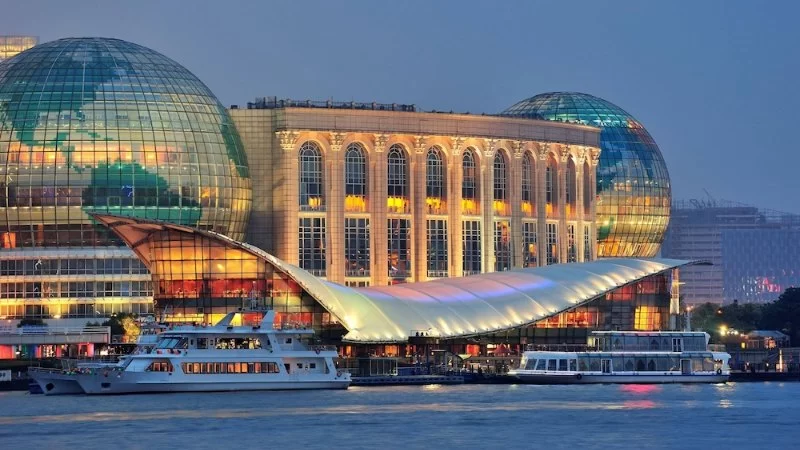
As much as architecture is shaped by local culture, it’s also influenced by global trends. The globalization of design has brought many modern architects to experiment with hybrid styles that combine elements from various cultures. I’ve seen this firsthand in cities like New York, where you can find buildings that incorporate international design languages, such as Art Deco, Brutalism, and even influences from traditional Islamic architecture.
2.1 The Influence of Global Movements
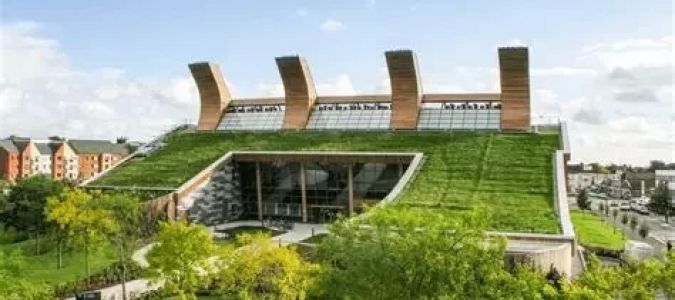
Global movements like the International Style and later the Sustainable Design movement have had a significant impact on modern architecture. Architects today are drawing from various cultural sources to create designs that meet the needs of a globalized world. For instance, the use of glass facades in skyscrapers is often inspired by modernist principles, but the incorporation of eco-friendly elements like green roofs and solar panels reflects the growing cultural concern for sustainability and environmental responsibility.
What I find interesting is how these global influences are often localized to meet the needs and preferences of a particular region. In places like Dubai, for example, the influence of Islamic architecture is evident in the designs of modern skyscrapers, with intricate geometric patterns and domed structures. Yet, the materials and techniques used are very much in line with contemporary global trends, like the use of steel and glass.
2.2 Architecture as a Cultural Dialogue
Architecture, for me, isn’t just a product of one culture—it’s a dialogue between different cultures. As architects experiment with blending different cultural elements, they create designs that reflect not only their heritage but also their desire to communicate with the wider world. The result is an architecture that tells a story of exchange and transformation. The Louvre Pyramid in Paris, designed by Ieoh Ming Pei, is a perfect example of how a fusion of Western and Eastern architectural ideas can create something entirely new and unexpected.
3. The Future of Architecture and Cultural Influence
As we look to the future, I believe cultural influences will continue to play a critical role in shaping the evolution of architecture. With advances in technology and materials, architects are pushing the boundaries of what’s possible, creating more sustainable, functional, and visually striking buildings. But these innovations won’t come at the cost of cultural significance. I expect to see even more cross-cultural architectural collaborations, where designers from different parts of the world come together to create buildings that are both modern and deeply rooted in cultural context.
3.1 Sustainable Design and Cultural Heritage
In the future, I believe sustainable design will become even more intertwined with cultural values. Many cultures already have a deep respect for nature, and I see a growing trend in using traditional design principles that respect the environment, such as passive cooling and heating, or using locally sourced materials. These sustainable practices not only help the environment but also bring a cultural authenticity to modern designs.
3.2 Technology and Cultural Preservation
Technology is also playing an increasing role in preserving and integrating cultural heritage into modern architecture. Virtual reality (VR) and augmented reality (AR) are being used to restore and digitize cultural landmarks, and architects are using these tools to ensure that the cultural integrity of a building is preserved. In cities like Venice, Italy, where buildings are aging, technology is helping to preserve the structures while allowing for modern interventions that respect the historical significance of the area.
Explore More Architectural Inspirations
If you’re as passionate about architecture as I am, you’ll want to explore more designs that reflect cultural heritage and modern innovations. For unique architectural experiences and services, check out 10 Jay Street, which offers a curated selection of architectural projects and inspiration. Whether you’re an architect, a student, or someone who appreciates design, there’s always something new to discover about the fascinating intersection of culture and architecture.