

- 1- Introduction to Green Building Certifications
- 2- Benefits of Green Building Certifications
- 3- Impact of Green Certifications on Architecture and Design
- 4- Real-Life Examples of Green Building Certifications
- 5- How to Obtain Green Building Certification
- 6- The Future of Green Building Certifications
1. Introduction to Green Building Certifications
Green building certifications are essential in modern architecture, reflecting the growing emphasis on sustainability and environmental responsibility. These certifications provide guidelines and standards for designing, constructing, and operating buildings that are energy-efficient, environmentally friendly, and sustainable. As a professional in the design industry, I’ve seen firsthand how these certifications are shaping the future of architecture.
One of the most prominent green building certifications is LEED (Leadership in Energy and Environmental Design). LEED sets a high bar for environmental standards in the building industry, encouraging architects and designers to implement sustainable practices that reduce energy consumption and minimize the carbon footprint. But LEED is just one of several systems that recognize green building achievements, alongside others such as BREEAM and Green Globes.
2. Benefits of Green Building Certifications
Green building certifications offer a variety of benefits, both for the environment and the people who occupy these buildings. As someone deeply involved in sustainable design, I've seen how these certifications positively influence architecture and construction in multiple ways:
- Environmental Impact: Green certifications help reduce energy usage, lower carbon emissions, and conserve water. Buildings certified under programs like LEED or BREEAM often incorporate renewable energy sources such as solar panels and energy-efficient HVAC systems.
- Health and Wellbeing: These buildings often have improved indoor air quality, natural lighting, and better acoustics, which contribute to a healthier environment for occupants.
- Financial Savings: Sustainable designs reduce operational costs over time by improving energy efficiency and reducing the need for maintenance. Building owners often experience long-term savings through lower utility bills and reduced resource usage.
- Marketability and Reputation: Buildings with green certifications are increasingly attractive to tenants and investors who prioritize sustainability. A certified building can give a significant competitive edge in the market.
These advantages demonstrate how green building certifications are more than just a trend — they’re a sustainable solution that benefits everyone involved, from designers to building occupants.
3. Impact of Green Certifications on Architecture and Design
Green certifications have fundamentally transformed the way we approach architecture and design. As a designer, I’ve noticed several key ways that these certifications have impacted our industry:
- Innovative Design Solutions: Achieving green building standards requires innovative thinking and creative solutions. Architects and designers are challenged to incorporate sustainable materials, energy-efficient technologies, and environmentally friendly practices into their designs.
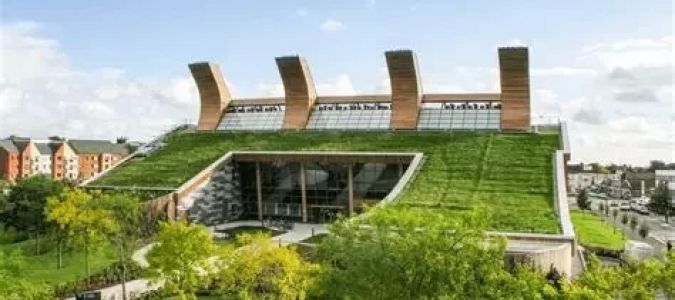
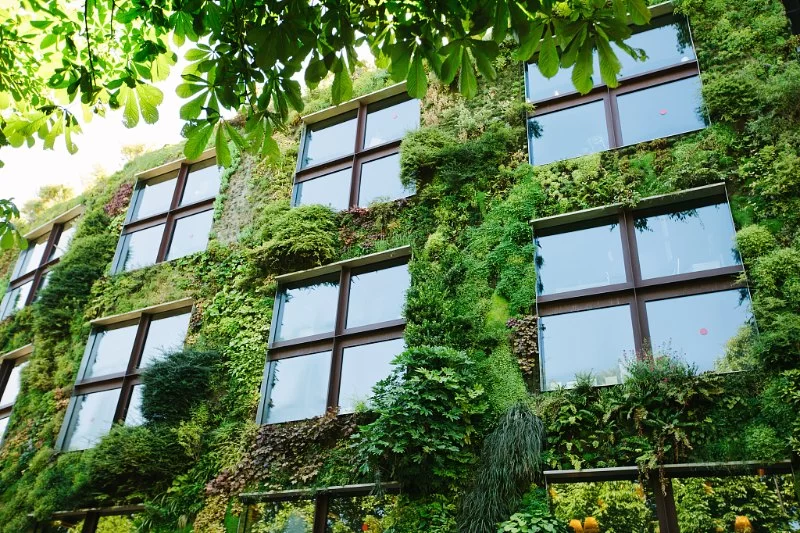
- Integration of Nature and Architecture: One of the key elements of green design is connecting buildings to nature. Green roofs, natural ventilation, and biophilic design elements have become increasingly popular in modern architecture as we strive to reduce environmental impacts.
- Focus on Resource Efficiency: With the pressure to reduce waste and improve energy use, green certifications have pushed the industry towards using more recycled and renewable materials in construction. Sustainable design has become a priority in every aspect of the process, from sourcing materials to construction methods.
- Improved Building Performance: Green certifications encourage the use of advanced technologies that optimize building performance. From smart systems that regulate lighting and temperature to water-saving fixtures, buildings are becoming more efficient and responsive to the needs of their users.
These impacts have led to a fundamental shift in the way we design and construct buildings, driving us toward more sustainable, efficient, and responsible architectural practices.
4. Real-Life Examples of Green Building Certifications
Several iconic buildings around the world showcase the power of green building certifications. One of the most famous examples is the Bank of America Tower in New York City, which is LEED Platinum certified. This skyscraper utilizes advanced energy-saving technologies, a green roof, and rainwater harvesting systems to reduce its environmental footprint. It serves as a perfect example of how large-scale buildings can integrate sustainability into their design and operation.
Another example is the One World Trade Center, also in New York. The building is not only an architectural marvel but also a model for sustainable construction. It incorporates energy-efficient systems, water conservation measures, and sustainable materials, all contributing to its LEED certification.
These examples demonstrate how green building certifications are being applied to high-profile projects, setting a standard for future developments in both commercial and residential architecture.
5. How to Obtain Green Building Certification
Obtaining a green building certification involves a detailed and comprehensive process. It requires meeting specific criteria for sustainability, energy efficiency, and environmental responsibility. Here are the general steps involved in obtaining a green certification:
- Choose the Right Certification Program: Different certifications have different requirements, so it's essential to choose the one that best fits your project. LEED is the most widely recognized, but other systems like BREEAM or Green Globes may be more suitable depending on your location or building type.
- Design for Sustainability: The design phase is crucial in meeting green certification requirements. Focus on energy-efficient designs, use of sustainable materials, water conservation, and renewable energy sources.
- Documentation and Assessment: Once the building is completed, you’ll need to submit detailed documentation and undergo an assessment to demonstrate how the project meets the certification standards.
- Certification and Continuous Improvement: After passing the assessment, you’ll receive your certification. However, it’s important to continually monitor and improve the building’s performance to maintain the certification over time.
The certification process may be lengthy, but the benefits it brings to the building, its occupants, and the environment are well worth the effort.
6. The Future of Green Building Certifications
The future of green building certifications looks promising, with the growing demand for sustainable, energy-efficient buildings worldwide. As environmental awareness increases, there will likely be even more pressure on architects and builders to adopt green certifications.
Looking ahead, we can expect to see innovations in materials, energy systems, and design technologies that make green buildings even more efficient and eco-friendly. Additionally, as the market for sustainable buildings continues to grow, green certifications will become a crucial factor in the design and construction of both commercial and residential properties.
At 10 Jay Street, we are constantly working with architects and designers to incorporate these green principles into our projects, ensuring that sustainability remains at the forefront of our development efforts.