


The Growing Importance of Sustainability in Designing Educational Institutions
- 1. The Role of Sustainability in Education
- 2. Eco-Friendly Buildings and Their Impact
- 3. How Sustainable Designs Benefit Students and Faculty
- 4. Real-Life Examples of Sustainable Educational Institutions
- 5. The Future of Sustainable Education Spaces
- 6. How 10 Jay Street Can Support Sustainable Educational Projects
1. The Role of Sustainability in Education
As we move forward into an era focused on environmental responsibility and innovation, sustainability is no longer just a buzzword—it's a necessity, especially when it comes to the design of educational institutions. Schools and universities are increasingly aware of their environmental footprint and the role they play in shaping future generations. In the past, educational facilities were simply built for functionality and capacity. Today, however, they must also embrace sustainability to create spaces that contribute positively to both the environment and the community.
Educational institutions are now embracing sustainable architecture and design principles that not only minimize their environmental impact but also provide a healthier and more inspiring environment for students and staff. But why is sustainability so important in the design of these spaces, and how can it enhance the learning experience? Let’s dive into these questions and explore the many benefits of sustainable educational environments.
2. Eco-Friendly Buildings and Their Impact
One of the key aspects of sustainable educational institutions is the integration of eco-friendly buildings. These buildings are designed to use resources more efficiently, reduce waste, and minimize their carbon footprint. Sustainable buildings in schools and universities often feature energy-efficient systems, natural lighting, renewable energy sources like solar panels, and water-saving technologies like low-flow fixtures and rainwater harvesting systems.
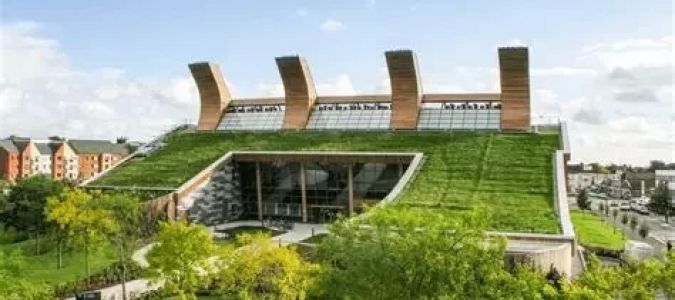
These eco-friendly features contribute significantly to reducing the environmental impact of these buildings. For example, green roofs, often seen on sustainable educational campuses, provide natural insulation and reduce the urban heat island effect. Additionally, the use of non-toxic building materials, which are more common in eco-conscious designs, ensures healthier air quality, benefiting both students and faculty members who spend significant time in these spaces.
The integration of such features has far-reaching effects, including reduced energy costs, lower carbon emissions, and a decrease in the depletion of natural resources. These benefits align with the goals of environmental sustainability while also saving schools money in the long run—money that can be reinvested in other educational programs and initiatives.
3. How Sustainable Designs Benefit Students and Faculty
The impact of sustainability in educational institutions goes beyond energy savings and environmental responsibility—it directly affects the well-being and success of students and faculty. Research shows that well-designed, sustainable buildings can significantly improve the comfort, focus, and overall health of those within them. For example, natural light is known to have a positive impact on student performance and mood. Large windows that allow sunlight to flood classrooms can help create a more welcoming and energizing learning environment.
In addition to promoting mental and physical health, sustainable designs can also inspire students to be more environmentally conscious. When students see their schools investing in green technologies, it fosters a sense of responsibility and awareness about the importance of sustainability. Educational institutions have the unique opportunity to lead by example, showing students how sustainable practices can be applied not only to buildings but also to their own lives.
Furthermore, a sustainable school environment encourages collaboration between students, faculty, and the broader community. Outdoor spaces, green areas, and community gardens offer students a chance to connect with nature, engage in hands-on learning experiences, and take part in sustainability-focused projects.
4. Real-Life Examples of Sustainable Educational Institutions
Several educational institutions around the world are already leading the charge in sustainable building design. One great example is The University of California, Irvine’s (UCI) Student Center, which features energy-efficient systems, natural lighting, and renewable energy solutions like solar power. The center serves as a prime example of how educational buildings can be both functional and eco-friendly.
Another excellent case is The Green School in Bali, Indonesia. This school is entirely built using sustainable materials like bamboo and designed to minimize energy consumption. It has an open-air structure that allows for natural ventilation, reducing the need for air conditioning. The Green School not only promotes environmental education but also demonstrates how a sustainable design can align with a school's educational mission.
Closer to home, The Bullitt Center in Seattle is often referred to as the greenest commercial building in the world. Although not strictly a school, the building serves as an educational tool for sustainable architecture. It’s net-zero energy and uses 100% renewable energy while also collecting and filtering rainwater for its needs. Its features can serve as a model for any educational institution looking to implement sustainable building practices.
5. The Future of Sustainable Education Spaces
The future of educational institutions is inextricably linked to sustainability. With increasing awareness about climate change and environmental issues, the demand for sustainable schools and universities will only continue to grow. This will not only affect how buildings are designed and built but also how curricula and teaching methods evolve. Schools will likely incorporate sustainability into their educational programs, equipping students with the knowledge and skills to address environmental challenges.
Additionally, the advent of smart technologies in schools will enhance sustainability efforts. Smart lighting, energy management systems, and digital tools that monitor energy use will make it easier for schools to reduce their carbon footprints. These innovations will shape the learning environments of the future, making them more sustainable, efficient, and conducive to learning.
6. How 10 Jay Street Can Support Sustainable Educational Projects
If you’re involved in designing or developing a sustainable educational institution, working with the right partners is key. At 10 Jay Street, we specialize in sustainable design and can provide expert guidance on how to incorporate green building strategies into educational spaces. Whether it’s helping with energy-efficient systems, selecting sustainable materials, or designing outdoor spaces that promote environmental education, our team can support your project from concept to completion.
By collaborating with experts like 10 Jay Street, educational institutions can ensure that sustainability is at the forefront of their designs, creating a lasting impact on the students who will one day lead the charge in environmental stewardship.