

The Importance of Urban Green Spaces in Modern Architecture
As cities continue to expand and urbanization accelerates, the need for green spaces has become increasingly crucial in modern architectural design. Urban green spaces such as parks, green rooftops, and community gardens not only enhance the aesthetic appeal of cities but also provide numerous environmental, social, and health benefits. As an architecture enthusiast, I’ve come to appreciate how the integration of green spaces into urban designs is a key factor in improving the overall livability of cities.
1. Why Urban Green Spaces Are Essential
Urban areas are often seen as places filled with concrete, steel, and glass. However, the incorporation of natural elements within these spaces has proven to offer a host of benefits that directly impact the well-being of city dwellers.
1.1. Environmental Benefits
One of the most significant benefits of urban green spaces is their positive impact on the environment. Green spaces act as "lungs" for the city, helping to purify the air and improve air quality. They also contribute to reducing the urban heat island effect, where cities become significantly warmer than surrounding rural areas due to human activities. Trees, plants, and grass absorb carbon dioxide and release oxygen, making urban areas more breathable.
1.2. Promoting Biodiversity
Incorporating green spaces into urban design can help promote biodiversity. By creating habitats for birds, insects, and other small wildlife, green spaces serve as refuges for species that might otherwise be displaced by the urban environment. Urban parks and community gardens often attract a variety of birds and pollinators, which are essential for maintaining healthy ecosystems.
1.3. Enhancing Stormwater Management
Green spaces also play an important role in managing stormwater runoff, a major issue in many cities. Trees, grass, and soil absorb rainwater, reducing the burden on drainage systems and mitigating the risk of flooding. This is especially important as climate change leads to more frequent and severe storms in many parts of the world. Incorporating green infrastructure into urban planning helps cities adapt to these changes.
2. Social and Psychological Benefits of Urban Green Spaces
Beyond environmental advantages, urban green spaces provide a wealth of social and psychological benefits for city residents. These spaces offer a place for relaxation, recreation, and social interaction, improving the overall quality of life in dense urban areas.
2.1. Stress Relief and Mental Health
Spending time in green spaces has been shown to reduce stress, anxiety, and depression. According to various studies, exposure to nature helps lower cortisol levels (the stress hormone) and induces a sense of calm and well-being. As someone who frequently spends time in city parks, I can personally attest to the rejuvenating effects that a walk in a green space can have on mental health. The serenity of nature helps create a peaceful escape from the hustle and bustle of urban life.
2.2. Fostering Social Interaction
Urban green spaces are often gathering places for people from different walks of life. Whether it’s families enjoying a picnic, friends playing a game of frisbee, or individuals simply relaxing on a bench, these spaces encourage social interaction and community engagement. Green spaces help create stronger bonds within communities, offering a shared space where people can connect and engage with one another.
2.3. Promoting Physical Activity
Green spaces encourage outdoor activities, from jogging and walking to cycling and sports. Having accessible parks and recreational areas within urban settings promotes physical health by offering safe spaces for exercise. Studies have found that residents of neighborhoods with access to green spaces are more likely to engage in regular physical activity, which can reduce the risk of chronic illnesses such as heart disease, obesity, and diabetes.
3. Integrating Green Spaces into Modern Architecture
As cities continue to grow, architects and urban planners are increasingly looking for ways to incorporate green spaces into their designs. From green rooftops to vertical gardens, modern architecture is embracing the idea of integrating nature into urban landscapes.
3.1. Green Roofs and Vertical Gardens
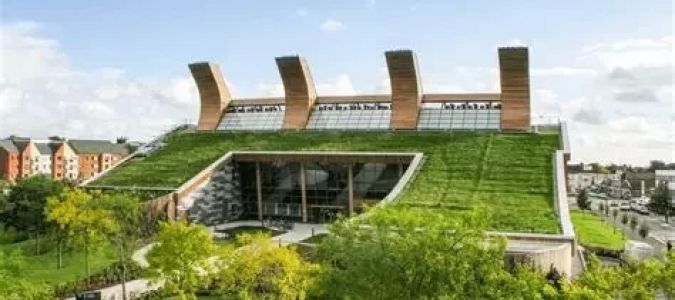
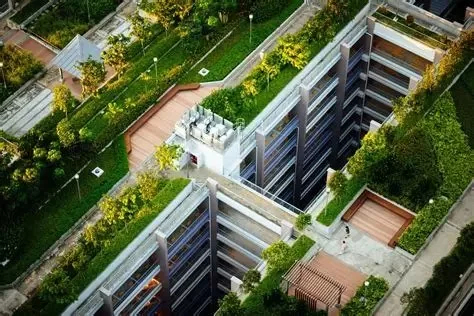
One innovative approach to urban greenery is the use of green roofs and vertical gardens. These features not only enhance the aesthetic appeal of buildings but also help reduce energy consumption by providing natural insulation. Green roofs are particularly beneficial in densely populated areas where ground space is limited, and vertical gardens can bring the beauty of nature to buildings without taking up much-needed space.
3.2. Nature-Inspired Urban Planning
Urban planning now increasingly incorporates nature-inspired elements such as open-air corridors, pedestrian-friendly pathways, and large public parks. The aim is to provide residents with easy access to green spaces while integrating these areas into the city’s layout. By prioritizing pedestrian zones, green areas are interwoven with commercial, residential, and recreational spaces, creating a more harmonious urban environment.
3.3. Biophilic Design
Biophilic design, which focuses on the connection between humans and nature, is a growing trend in architecture. By bringing natural elements into built environments—such as incorporating natural light, plants, and water features—biophilic design promotes a healthier and more sustainable lifestyle. As architects continue to embrace biophilic principles, we are seeing an increasing number of eco-friendly buildings that are not only visually appealing but also beneficial to the well-being of occupants.
4. Case Studies: Successful Integration of Green Spaces in Urban Areas
Several cities around the world have successfully integrated green spaces into their urban planning, setting examples for others to follow. Let’s take a look at a few inspiring case studies.
4.1. New York City’s High Line
The High Line in New York City is a prime example of urban green space revitalization. Once an abandoned elevated railway track, it has been transformed into a thriving public park that stretches for over a mile through Manhattan. The park offers a unique blend of nature and urban architecture, with beautiful gardens, art installations, and stunning views of the city. The High Line has become a beloved green space that attracts millions of visitors each year.
4.2. Singapore’s Gardens by the Bay
Singapore’s Gardens by the Bay is another remarkable example of integrating nature into an urban setting. The park features futuristic structures, such as the iconic Supertree Grove, and houses a variety of plants from around the world. Gardens by the Bay is a testament to how green spaces can be both aesthetically stunning and environmentally sustainable. It is a must-see destination for anyone visiting Singapore.
As cities continue to evolve, the importance of urban green spaces will only increase. By integrating these spaces into urban design, we can create more livable, sustainable, and enjoyable cities. If you're looking for inspiration on how to incorporate green spaces into your own architectural projects, visit 10 Jay Street for expert advice and recommendations.