

The Rise of Eco-Friendly Architecture in the Post-Pandemic World
- 1. Introduction to Eco-Friendly Architecture
- 2. The Impact of the Pandemic on Building Design
- 3. Key Elements of Sustainable Architecture
- 4. Case Studies in Eco-Friendly Architecture
- 5. The Future of Green Building
- 6. Conclusion: The Path Forward for Eco-Friendly Design
1. Introduction to Eco-Friendly Architecture
In the wake of the COVID-19 pandemic, many industries have seen significant changes, and architecture is no exception. The need for healthier, more sustainable living and working environments has brought eco-friendly architecture to the forefront. With rising concerns about climate change, resource depletion, and public health, sustainable building practices have become essential for the modern world. This shift towards green buildings is not just a trend but a necessity that addresses both environmental and social challenges.
2. The Impact of the Pandemic on Building Design
The COVID-19 pandemic reshaped the way we live and work, highlighting the importance of health and wellness in the spaces we inhabit. The rise of remote work and the growing awareness of indoor air quality have led architects and builders to rethink design strategies. The pandemic accelerated the adoption of eco-friendly architecture by emphasizing natural ventilation, energy efficiency, and sustainability in both residential and commercial buildings.
During the pandemic, many realized the importance of creating environments that not only support physical well-being but also mental health. Eco-friendly architecture plays a crucial role in this by integrating biophilic design principles that incorporate natural elements into indoor spaces. This approach promotes a sense of calm and connection to the environment, which has been essential in the post-pandemic world.
3. Key Elements of Sustainable Architecture
Sustainable architecture focuses on minimizing the environmental impact of buildings while maximizing energy efficiency and occupant well-being. Key elements of eco-friendly architecture include:
- Energy Efficiency: Buildings are designed to reduce energy consumption through smart technologies such as solar panels, energy-efficient insulation, and LED lighting systems.
- Renewable Materials: The use of sustainable materials, such as bamboo, recycled wood, and low-emission concrete, helps reduce the carbon footprint of construction.
- Water Conservation: Sustainable buildings incorporate systems that reduce water usage, such as rainwater harvesting and low-flow plumbing fixtures.
- Indoor Air Quality: Improved ventilation systems and the use of non-toxic paints and finishes create healthier living and working environments.
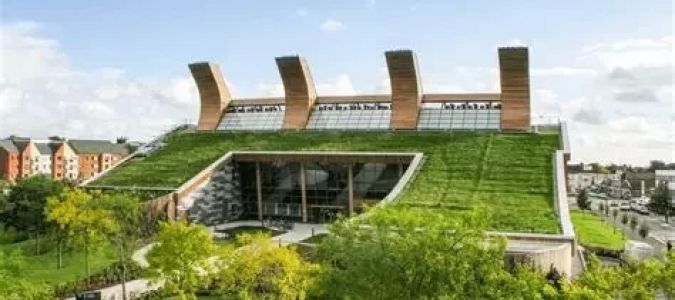
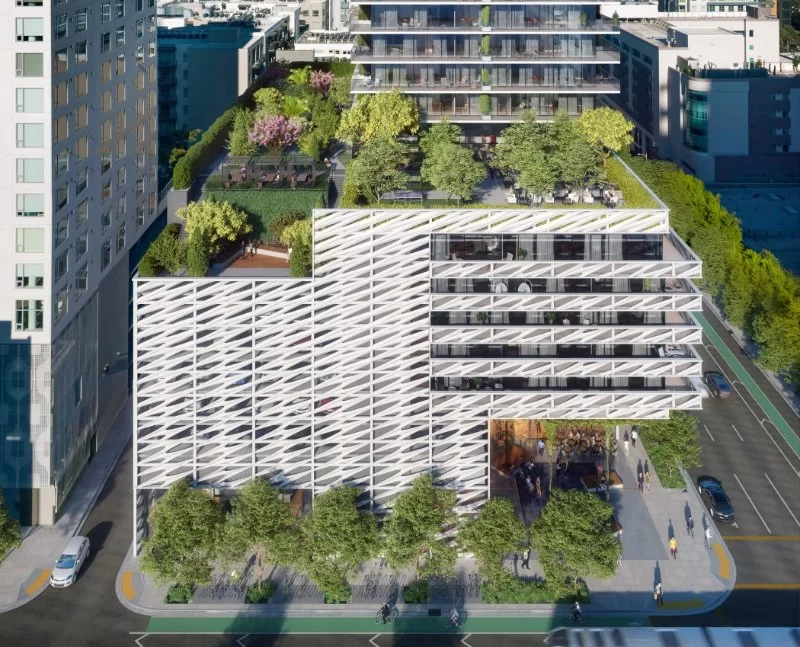
- Green Roofs and Walls: Vegetated roofs and walls help regulate temperature, reduce urban heat islands, and improve air quality.
4. Case Studies in Eco-Friendly Architecture
Several inspiring examples of eco-friendly architecture demonstrate how sustainable design can be successfully integrated into both residential and commercial spaces. One such example is the One Central Park development in Sydney, Australia. This landmark project features green rooftops, energy-efficient systems, and innovative water management technologies, all designed to create a sustainable urban space.
Another notable example is the Green Building in New York City, which utilizes geothermal energy and advanced insulation techniques to reduce energy consumption by up to 50%. This building not only reduces its environmental impact but also provides a healthier, more comfortable environment for its tenants.
These case studies show how eco-friendly architecture can be both aesthetically pleasing and functional, proving that sustainability and design can go hand in hand.
5. The Future of Green Building
The future of green building is incredibly promising, with technological advancements and increased demand for sustainable practices driving innovation. Some emerging trends in eco-friendly architecture include:
- Smart Cities: The integration of smart technologies with eco-friendly buildings is creating more efficient, connected cities that minimize resource consumption.
- Modular Construction: Prefabricated and modular construction methods are reducing waste, speeding up the construction process, and improving cost efficiency.
- Net-Zero Energy Buildings: These buildings produce as much energy as they consume, thanks to advanced renewable energy systems and high-performance insulation.
- Recycled Materials: The use of recycled materials, such as repurposed steel and reclaimed wood, is increasing in building design, contributing to sustainability and waste reduction.
6. Conclusion: The Path Forward for Eco-Friendly Design
As we move forward in the post-pandemic world, eco-friendly architecture will play an essential role in creating sustainable, healthy, and resilient communities. By embracing sustainable building practices and innovative design solutions, we can reduce our environmental footprint while improving the quality of life for generations to come.
At 10 Jay Street, we are committed to providing innovative, sustainable solutions for our clients. Whether you're planning to build a new eco-friendly home or redesign an existing space, consider integrating sustainable architecture into your design plans for a brighter, greener future.