

- 1-What is Minimalist Architecture?
- 2-History and Origins of Minimalist Architecture
- 3-Key Elements of Minimalist Architecture
- 4-Modern Examples of Minimalist Architecture
- 5-Why Choose Minimalist Architecture?
1. What is Minimalist Architecture?
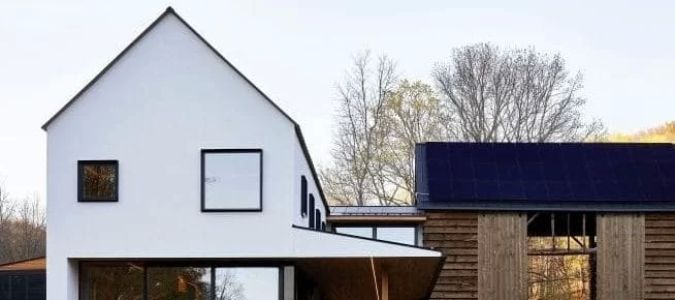
Minimalist architecture is a design philosophy that focuses on simplicity and functionality. It emphasizes clean lines, open spaces, and a lack of unnecessary decoration. This design style is characterized by the principle of "less is more," where the architecture’s form is stripped down to its most basic and essential elements. Minimalist architecture creates an environment that feels spacious, calming, and modern by using a restrained approach to materials, color palettes, and furniture.
2. History and Origins of Minimalist Architecture
Minimalist architecture originated in the mid-20th century as a response to the overly ornate and elaborate design trends that dominated the previous era. Influenced by modernism and the Bauhaus movement, minimalist architecture sought to simplify design elements to their core essentials. In the 1960s and 1970s, architects such as Ludwig Mies van der Rohe, Tadao Ando, and Donald Judd championed minimalist principles. The movement gained momentum as people began to appreciate clean, functional designs that promoted a sense of tranquility and order.
3. Key Elements of Minimalist Architecture
Several defining characteristics make minimalist architecture stand out:
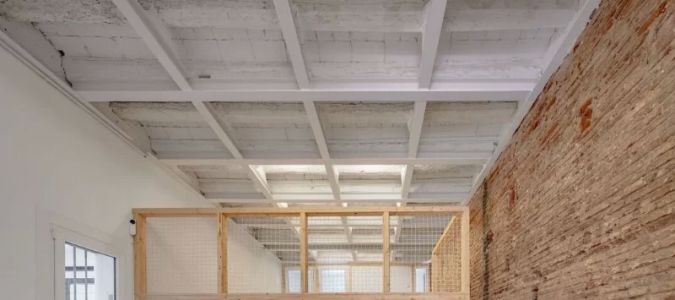
- Open Spaces: Minimalist homes and buildings often feature open floor plans that reduce clutter and allow for easy flow between rooms.
- Neutral Color Palettes: Soft, neutral colors such as whites, blacks, and grays dominate minimalist design, creating a calm and unassuming atmosphere.
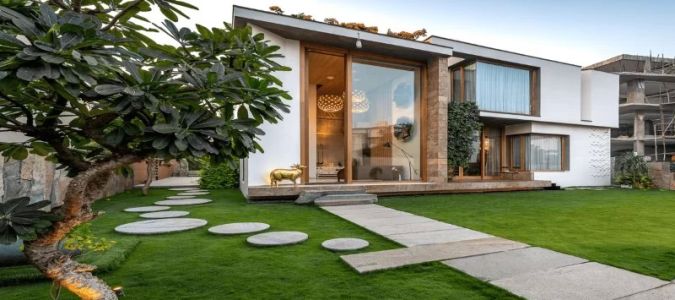
- Natural Materials: Wood, stone, and glass are frequently used, allowing the beauty of the material to shine through without excessive ornamentation.
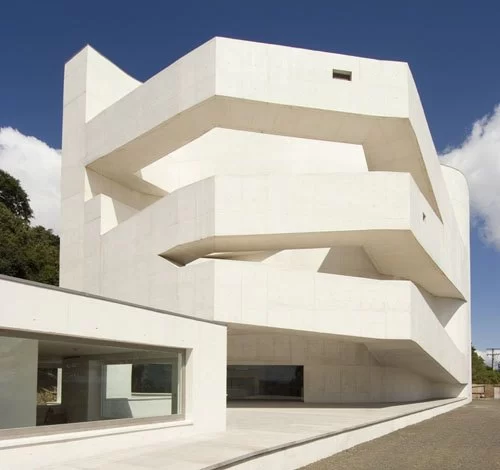
- Simplified Forms: Geometric shapes and clean lines replace excessive decoration, with each design element serving a clear purpose.
- Natural Light: Minimalist architecture makes use of large windows and open spaces to let natural light flood the interior.
4. Modern Examples of Minimalist Architecture
Many famous buildings around the world embody the principles of minimalist architecture. One notable example is the Barcelona Pavilion designed by Ludwig Mies van der Rohe. Its open layout and use of simple materials like glass, steel, and stone perfectly represent the minimalist ethos. Another excellent example is the Chichu Art Museum in Japan, designed by Tadao Ando. The museum’s serene use of concrete and light creates an immersive experience, making it a prime example of minimalist architecture in a cultural setting.
Minimalist homes are also gaining popularity. Homes like the Glass House by Philip Johnson in Connecticut showcase minimalist designs with open spaces and transparent walls, allowing residents to connect with nature while enjoying modern luxury.
5. Why Choose Minimalist Architecture?
There are several reasons why many individuals and businesses are embracing minimalist architecture:
- Clarity and Focus: By removing unnecessary distractions, minimalist architecture allows for a more focused and clear living or working environment.
- Efficiency: Minimalist design is often more functional, with every element serving a purpose, reducing waste, and enhancing efficiency.
- Timelessness: The simplicity of minimalist design ensures that the aesthetic remains timeless, avoiding trends that may look outdated in the future.
- Reduced Clutter: By promoting simplicity, minimalist architecture helps in reducing physical and visual clutter, making spaces feel more organized and spacious.
- Connection to Nature: Many minimalist designs incorporate natural elements such as large windows, which allow homeowners and workers to enjoy views of the outdoors.
For those looking to explore minimalist design further, check out 10 Jay Street for a range of products and services that can help you integrate minimalist principles into your own space. Whether you’re designing a home or office, 10 Jay Street offers the best items tailored to your minimalist vision.