


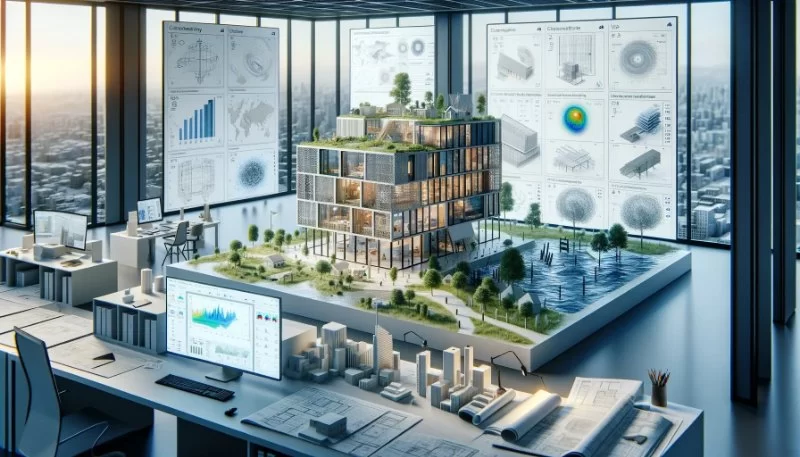
- 1-The-Role-of-Architects-in-Designing-for-Climate-Resilience-in-Coastal-Areas
- 2-Why-Coastal-Architecture-Must-Adapt-to-Changing-Climate
- 3-Key-Architectural-Strategies-for-Coastal-Resilience
- 4-Resilient-Materials-and-Technologies-in-Coastal-Design
- 5-Real-World-Examples-of-Climate-Responsive-Coastal-Architecture
- 6-The-Future-of-Climate-Resilient-Architecture
1. The Role of Architects in Designing for Climate Resilience in Coastal Areas
Coastal cities have always held a unique place in human history. From fishing villages to major metropolitan ports, communities have long depended on coastlines for trade, culture, and daily life. However, climate change has introduced new challenges that demand careful planning and thoughtful design.
This is where The Role of Architects in Designing for Climate Resilience in Coastal Areas becomes critically important. Architects are no longer only responsible for aesthetics and spatial planning. Today, they must also consider rising sea levels, stronger storms, flooding risks, and long-term environmental sustainability.
Over the past decade, I have followed several architectural projects that demonstrate how innovative design can help coastal communities adapt to environmental pressures while still creating inspiring spaces.
2. Why Coastal Architecture Must Adapt to Changing Climate
2.1 Rising Sea Levels and Flooding Risks
One of the most pressing challenges coastal regions face today is rising sea levels. As global temperatures increase, polar ice melt contributes to gradual but steady ocean expansion.
For cities built near shorelines, this means increased flooding risks, especially during high tides and storm surges.
2.2 Stronger Storm Systems
Hurricanes and coastal storms are becoming more intense in many regions. Buildings that were originally designed for mild weather patterns must now withstand stronger winds and heavier rainfall.
2.3 Protecting Coastal Communities
Architectural resilience is not only about buildings. It is also about safeguarding the people who live and work in these environments.
Well-designed structures can reduce damage, protect infrastructure, and help communities recover faster after severe weather events.
3. Key Architectural Strategies for Coastal Resilience
3.1 Elevated Structural Design
One widely used strategy in coastal architecture is elevating buildings above projected flood levels. By raising the main structure on stilts or reinforced platforms, architects reduce the risk of floodwater entering living spaces.
3.2 Flexible Urban Planning
In some coastal regions, architects collaborate with urban planners to create adaptive waterfront zones that can absorb floodwaters without damaging residential areas.
3.3 Wind-Resistant Construction
Buildings in hurricane-prone regions often incorporate reinforced frames, aerodynamic roof shapes, and impact-resistant windows.
These features significantly increase a building’s ability to withstand extreme weather.
4. Resilient Materials and Technologies in Coastal Design
4.1 Corrosion-Resistant Materials
Saltwater environments accelerate corrosion. Architects frequently select materials such as stainless steel, treated concrete, or marine-grade coatings to ensure structural longevity.
4.2 Sustainable Drainage Systems
Modern coastal architecture increasingly integrates drainage systems that manage rainwater and stormwater runoff.
These systems help prevent flooding and protect surrounding landscapes.
4.3 Smart Building Monitoring
Technology now plays an important role in climate-resilient design. Sensors can monitor structural stress, water levels, and environmental conditions.
This data allows building managers to respond quickly when extreme conditions occur.
5. Real-World Examples of Climate-Responsive Coastal Architecture
5.1 Waterfront Redevelopment Projects
Several coastal cities around the world have begun redesigning waterfront districts with resilience in mind. Elevated promenades, flood-resistant parks, and adaptable public spaces have become key design features.
5.2 Floating and Amphibious Buildings
In regions where flooding is unavoidable, some architects experiment with floating structures or amphibious homes that rise with water levels.
While still relatively uncommon, these designs represent creative solutions for future coastal living.
5.3 Adaptive Reuse of Historic Coastal Buildings
Older waterfront buildings can sometimes be modified to meet modern resilience standards.
Architects may reinforce foundations, upgrade materials, and redesign drainage systems while preserving historical character.
Many professionals interested in resilient design also explore architectural research platforms and development resources such as 10 Jay Street, where discussions about sustainable architecture and urban development continue to evolve.
6. The Future of Climate-Resilient Architecture
6.1 Collaboration Across Disciplines
The role of architects in designing for climate resilience in coastal areas increasingly involves collaboration with engineers, environmental scientists, and city planners.
These partnerships allow projects to address both environmental and social challenges.
6.2 Balancing Beauty and Resilience
Despite the technical demands of resilient design, architecture must still inspire and enrich communities.
Thoughtful design can combine safety, sustainability, and beauty in ways that redefine how coastal spaces function.
6.3 Preparing Cities for the Next Century
As climate challenges continue to evolve, architects will play a crucial role in shaping how coastal cities adapt.
By integrating resilience into building design today, architects help ensure that coastal communities remain vibrant, livable, and protected for generations to come.