

- 1. Understanding Sustainable Infrastructure
- 2. The Role of Architects in Sustainable Design
- 3. Key Elements of Sustainable Architecture
- 4. Case Studies and Examples of Sustainable Infrastructure
- 5. Recommendations from 10 Jay Street
1. Understanding Sustainable Infrastructure
Sustainable infrastructure refers to the creation and maintenance of buildings, roads, energy systems, and other physical structures that minimize environmental impact, promote social equity, and remain economically viable over time. With the growing challenges of climate change, resource depletion, and urbanization, sustainable infrastructure has become a crucial focus for cities and communities around the world. This concept is not just about using eco-friendly materials but also about creating spaces that are adaptable, efficient, and aligned with nature’s cycles.
The term "sustainability" in infrastructure means that buildings and urban spaces are designed to last for generations, conserving energy, using resources efficiently, and improving the quality of life for all users. Architects, in particular, play a key role in shaping how these infrastructures evolve. Through innovative designs, architects ensure that these spaces are functional, aesthetically pleasing, and environmentally responsible.
2. The Role of Architects in Sustainable Design
Architects have a profound impact on the development of sustainable infrastructure. They are the creative minds behind the design, planning, and integration of eco-friendly features in buildings and public spaces. Their responsibility goes beyond creating visually appealing structures; they must also consider the environmental footprint of their designs and how these buildings will function in the long run. Here’s how architects contribute to sustainable infrastructure:
2.1. Planning with Nature
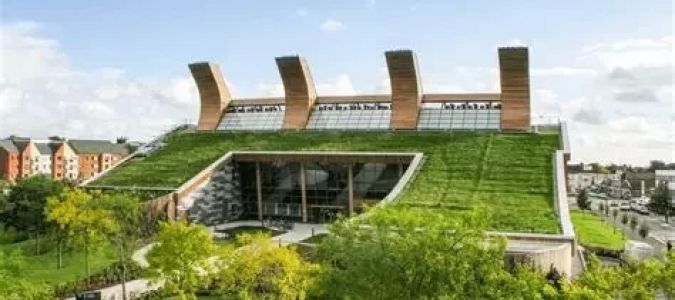
Architects consider the natural environment when designing buildings. This includes evaluating factors like sunlight, wind patterns, and natural topography to maximize energy efficiency and reduce the need for artificial heating and cooling. By integrating natural elements into their designs, architects create spaces that blend seamlessly with their surroundings, reducing energy consumption and lowering a building's carbon footprint.
2.2. Use of Sustainable Materials
One of the critical roles of architects in sustainable infrastructure is choosing sustainable materials. Architects are responsible for selecting materials that are renewable, energy-efficient, and have minimal environmental impact. They may use materials like reclaimed wood, recycled steel, and non-toxic paints to reduce the carbon footprint of a building. Architects also ensure that the construction process follows sustainable practices, from sourcing materials locally to reducing waste during construction.
2.3. Energy Efficiency and Smart Technologies
Energy efficiency is a cornerstone of sustainable infrastructure, and architects are the leaders in integrating smart technologies and energy-saving features. This can include the use of solar panels, rainwater harvesting systems, energy-efficient lighting, and advanced HVAC systems. Architects work closely with engineers to ensure that these technologies are seamlessly integrated into the building’s design, ensuring long-term energy savings for building owners and occupants.
3. Key Elements of Sustainable Architecture
Sustainable architecture focuses on creating buildings that conserve resources and reduce environmental impact, ensuring that they are sustainable not just in construction but also in function and longevity. Here are the key elements that architects incorporate into their designs for sustainable infrastructure:
3.1. Site and Location
Choosing the right location for a building is essential to its sustainability. Architects assess the site’s potential for energy efficiency, considering aspects such as proximity to public transportation, local climate, and the availability of natural resources like sunlight and wind. A well-chosen site can reduce a building's carbon footprint and minimize the need for resource-heavy interventions.
3.2. Water Efficiency
Water conservation is an essential part of sustainable infrastructure. Architects incorporate systems such as low-flow fixtures, greywater recycling, and rainwater harvesting systems to ensure efficient water use. These systems reduce the demand on local water supplies and promote sustainability in urban development.
3.3. Waste Management
Architects also focus on reducing the amount of waste generated by buildings during construction and throughout their lifecycle. They ensure that construction materials are sustainably sourced, and that the building design allows for easy recycling and waste management. This may include designing buildings with the ability to be disassembled and repurposed at the end of their life, contributing to a circular economy.
3.4. Adaptability and Resilience
Sustainable infrastructure must be adaptable to changing conditions and resilient in the face of environmental stressors like floods, earthquakes, and extreme temperatures. Architects design buildings that can adjust to future needs, such as incorporating flexible spaces that can serve multiple purposes. They also use resilient materials that can withstand the test of time and varying environmental conditions.
4. Case Studies and Examples of Sustainable Infrastructure
Real-world examples help demonstrate the impact of sustainable infrastructure. One prominent example is the One Central Park development in Sydney, Australia. This urban complex incorporates vertical gardens, energy-efficient design, and a sustainable water management system. The architects, in collaboration with engineers and urban planners, created a green building that reduces its carbon footprint while providing a high quality of life for its occupants.
Another example is The Edge in Amsterdam, known as one of the greenest buildings in the world. The building features cutting-edge technology like solar panels, rainwater harvesting, and smart systems that manage energy consumption. The architects played a crucial role in integrating these technologies into the building's design, making it not only sustainable but also highly functional and user-friendly.
5. Recommendations from 10 Jay Street
If you’re looking to learn more about sustainable architecture or explore the best products for your green building projects, we recommend visiting 10 Jay Street. We provide a wide range of services and resources to help you choose sustainable materials, integrate eco-friendly systems, and design buildings that reduce environmental impact. Our experts are here to guide you through the process of creating efficient, sustainable infrastructure that benefits both people and the planet. Visit us today to get started on your sustainable design journey!