


- The Importance of Architects in Public Transportation Design
- Key Functions of Architects in Transportation Systems
- Design Principles for Public Transportation Systems
- Case Studies: Successful Transportation System Designs
- The Future of Public Transportation Architecture
The Importance of Architects in Public Transportation Design
Public transportation systems are the lifeblood of urban mobility. As cities grow, the demand for efficient, sustainable, and aesthetically pleasing transit systems becomes more critical. Architects play an essential role in the design and development of these systems, shaping not only the functionality but also the experience of passengers. They are responsible for designing transit hubs, stations, bus terminals, and rail systems that balance practicality with visual appeal, ensuring that transportation infrastructure serves both users and the surrounding environment.
From creating open, accessible spaces to incorporating sustainable design principles, architects bring a unique perspective that combines art and science in public transportation projects. They work closely with engineers, urban planners, and local governments to create solutions that meet the needs of the public while also supporting long-term growth and sustainability. Their work impacts how people interact with their cities and how they move within them, making their role in public transportation design indispensable.
Key Functions of Architects in Transportation Systems
Architects have a multifaceted role in the design of public transportation systems. Below are some of the primary responsibilities they take on when working on these large-scale projects:
1. Designing User-Centered Spaces
One of the key roles of architects is to design spaces that prioritize the needs of the users. This means creating accessible, comfortable, and efficient environments for people to navigate, wait, and board. For example, transit stations and bus terminals need to have clear signage, wide walkways, and seating areas that accommodate a variety of passengers, from the elderly to those with disabilities. An architect must anticipate how people will move through these spaces and ensure that the design facilitates a smooth flow of foot traffic while reducing congestion.
2. Sustainability in Design
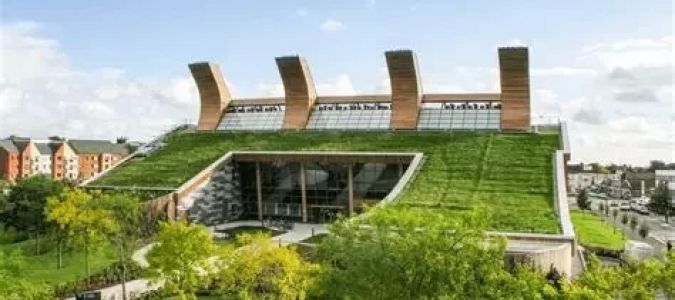
Sustainability is a key focus for modern architects, and it’s particularly important when designing public transportation systems. These systems are integral to reducing traffic congestion and lowering carbon emissions in urban areas. Architects use sustainable design practices to ensure that transportation infrastructure is energy-efficient, uses renewable materials, and reduces the environmental footprint of transportation systems. For example, incorporating solar panels, green roofs, and energy-efficient lighting into transit hubs helps make the entire system more eco-friendly and cost-effective in the long term.
3. Aesthetic Integration with Urban Landscape
Architects also focus on how the design of transportation systems integrates with the surrounding urban landscape. A well-designed transit station or bus terminal should complement the architecture of the area, creating a sense of harmony between infrastructure and the environment. This might involve using local materials, aligning the design with the character of the neighborhood, or adding artistic elements that reflect the cultural identity of the city. The design of public transportation spaces is as much about enhancing the public realm as it is about functionality.
4. Ensuring Safety and Security
Safety and security are essential components of any public transportation system. Architects design spaces that are not only physically secure but also give passengers a sense of safety while waiting or traveling. Features like well-lit areas, security cameras, and emergency exits are integrated into the design to provide peace of mind. The layout of the station or terminal is designed with clear sightlines and easy access to emergency exits, which ensures that the space is safe for all users, even in emergencies.
Design Principles for Public Transportation Systems
The design of public transportation systems is guided by several key principles that architects must consider in order to create spaces that are functional, efficient, and comfortable. Some of the most important principles include:
1. Accessibility
Public transportation systems must be accessible to everyone, including people with disabilities. Architects must ensure that stations, bus stops, and rail terminals are designed with universal access in mind. This includes features like ramps, elevators, and tactile paving for visually impaired individuals, as well as accessible bathrooms and seating. Creating an inclusive environment helps ensure that all passengers can easily navigate the system.
2. Efficiency
Efficiency in design is crucial for minimizing waiting times and improving the flow of passengers. Architects work closely with engineers and planners to design systems that facilitate fast boarding and deboarding, while also minimizing bottlenecks. For example, designing wide, open spaces for passengers to enter and exit trains or buses quickly can help keep the system running smoothly during rush hour.
3. Flexibility
Public transportation systems must be adaptable to changing needs. Whether it's accommodating more passengers as the population grows or adapting to new technologies like autonomous vehicles, architects must design spaces that can be easily modified in the future. This flexibility can include features like modular designs for stations or the ability to add more platforms if necessary.
4. Safety and Security
Designing for safety is a top priority. Architects incorporate various features to protect passengers, such as surveillance systems, well-lit areas, and the strategic placement of security personnel. Additionally, architects ensure that the design of transportation spaces encourages safe behavior, such as clear signage and visible exits.
Case Studies: Successful Transportation System Designs
There are several inspiring examples of architects successfully designing public transportation systems that have become models for cities worldwide. Below are a couple of case studies where architecture played a crucial role in shaping transit systems:
1. The High Line in New York City
The High Line in Manhattan is a unique example of how architecture can transform an old infrastructure into a thriving public space. Originally an abandoned railway track, it was redesigned as an elevated park and transit space. Architects used innovative design strategies to preserve the industrial heritage of the space while integrating green spaces and pedestrian pathways. The project has become a major public transportation hub for the city, connecting neighborhoods and offering both a practical space and a cultural experience.
2. The Shibuya Station in Tokyo
Shibuya Station, one of Tokyo’s busiest transit hubs, is an excellent example of architectural design enhancing public transportation. The station was redesigned to improve passenger flow and safety while maintaining its iconic status in the city. The architects incorporated a modern aesthetic, creating large, open spaces with easy-to-navigate pathways and enhanced lighting. This redesign has helped improve efficiency while also creating a pleasant experience for passengers.
The Future of Public Transportation Architecture
The future of transportation architecture will likely see even more innovative designs that address growing urbanization, environmental concerns, and technological advancements. Architects will continue to prioritize sustainability, integrating new green technologies like solar energy, rainwater harvesting, and sustainable materials. Additionally, the rise of autonomous vehicles and smart cities may lead to even more dynamic transportation hubs that seamlessly blend with digital infrastructure.
As urban centers continue to expand, the role of architects in designing public transportation systems will become even more important. These professionals will be at the forefront of creating transportation solutions that meet the needs of future generations, ensuring that cities remain connected, efficient, and sustainable.
If you're interested in learning more about innovative architecture and design, I recommend visiting 10 Jay Street, where you can explore inspiring architectural projects and find the perfect solutions for your own design needs.