

- Understanding the Affordable Housing Crisis
- How Architecture Plays a Role in Affordable Housing
- Innovative Architectural Solutions for Affordable Housing
- Real-World Examples of Architecture Addressing the Affordable Housing Crisis
- Challenges and Opportunities in Architectural Solutions for Affordable Housing
Understanding the Affordable Housing Crisis
The affordable housing crisis is one of the most pressing issues faced by communities across the United States. As housing prices rise in cities and suburban areas alike, many individuals and families find themselves unable to access quality housing that fits within their budgets. This crisis not only affects low-income individuals but also young professionals, middle-income families, and retirees, all of whom struggle with skyrocketing rents and home prices.
Over the years, I have seen the gap between wages and housing costs widen, making it increasingly difficult for a large portion of the population to secure housing that is both affordable and sustainable. This situation is complicated by the lack of available land in urban areas, zoning regulations, and insufficient government subsidies. As a result, it has become clear that addressing the affordable housing crisis requires creative and innovative solutions, many of which can be found in the field of architecture.
How Architecture Plays a Role in Affordable Housing
Architecture is a powerful tool in addressing the affordable housing crisis. Over time, I have realized that thoughtful design and strategic planning can help reduce construction costs, increase efficiency, and create spaces that are not only affordable but also livable and sustainable. Architects play a crucial role in making affordable housing a reality, and their work can have long-lasting effects on both the quality of life for residents and the broader community.
One of the most important ways architecture contributes to affordable housing is by improving the efficiency of construction. Through innovative design practices, architects can minimize waste, reduce energy consumption, and lower the cost of materials. This allows for the creation of more housing units at a lower price, ensuring that these units are accessible to those who need them most.
Innovative Architectural Solutions for Affordable Housing
As I’ve explored the ways in which architects are tackling the affordable housing crisis, I’ve come across several innovative solutions that have the potential to make a significant impact. These solutions involve both creative designs and new technologies aimed at making housing more affordable without sacrificing quality or comfort:
- Modular and Prefabricated Homes: One of the most promising approaches I’ve seen is the use of modular and prefabricated homes. These homes are built in a factory setting and then assembled on-site. This method drastically reduces labor costs and construction time, making it an ideal solution for affordable housing projects. I’ve been amazed at how modern modular homes are just as stylish and durable as traditional homes, yet much more affordable.
- Micro-Housing: Micro-housing is another innovative solution that has gained traction in addressing the affordable housing crisis. These small, efficient living spaces are designed to maximize functionality while minimizing space. I’ve noticed that micro-housing developments are becoming more popular, especially in urban areas where land is scarce and expensive. They provide affordable, compact living options for individuals and small families who are looking for an affordable place to live in city centers.
- Mixed-Use Developments: Mixed-use developments, which combine residential, commercial, and community spaces into one area, are an excellent way to reduce housing costs while promoting community integration. I’ve seen how these developments can revitalize neighborhoods, reduce transportation costs, and provide convenient access to essential services like healthcare and retail.
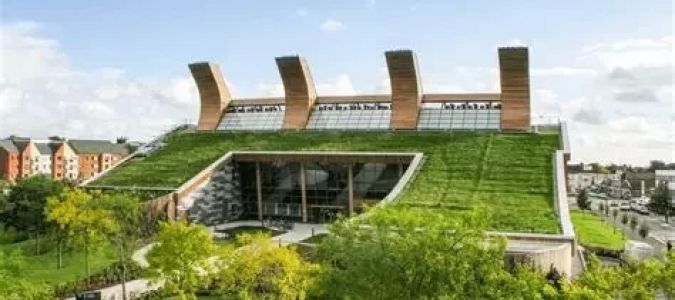
- Sustainable and Green Building Practices: Sustainability plays a huge role in the affordability of housing, and architects are increasingly incorporating green building practices to reduce energy costs and environmental impact. I’ve learned that sustainable features such as solar panels, energy-efficient appliances, and green roofs not only help the environment but also significantly lower utility bills, making housing more affordable in the long term.
Real-World Examples of Architecture Addressing the Affordable Housing Crisis
There are several real-world examples where architecture has been successfully used to address the affordable housing crisis. I’ve had the privilege of learning about some of these projects, which have not only provided much-needed housing but also revitalized communities. Here are a few examples that stand out to me:
- The 6th Street Bridge Project in Los Angeles: This project is a great example of how architecture can transform a neglected area into a thriving community. The project includes affordable housing units, public spaces, and retail areas. What I admire most about this development is its focus on creating a vibrant neighborhood where people from all walks of life can live, work, and play.
- Via Verde in New York City: Via Verde is a sustainable, affordable housing project in the Bronx that has garnered widespread recognition. This project incorporates green design, energy-efficient systems, and access to green spaces, providing residents with affordable housing options in an eco-friendly environment. I believe it’s a model for future affordable housing developments across the country.
- The DOME Project in San Francisco: The DOME Project is another innovative approach to affordable housing. It uses prefabricated homes and sustainable building practices to create low-cost housing in a city with an extremely high demand for affordable units. I’ve seen how this project has been able to reduce construction costs while creating beautiful, functional living spaces.
Challenges and Opportunities in Architectural Solutions for Affordable Housing
While there have been many successful architectural solutions to the affordable housing crisis, there are still challenges that need to be addressed. As I’ve explored this issue, I’ve realized that one of the biggest challenges is navigating the complex regulations and zoning laws that often hinder the development of affordable housing projects. These regulations can make it difficult to implement new and innovative designs, resulting in delays and higher costs.
However, there are also significant opportunities in this field. With growing awareness of the affordable housing crisis and increasing demand for sustainable living, I believe that architects and developers will continue to find new ways to overcome these obstacles and create affordable housing solutions that benefit everyone.
Ultimately, I’ve come to understand that the role of architecture in addressing the affordable housing crisis is not just about designing buildings—it’s about creating communities. By combining innovative design with social responsibility, architects have the potential to change the way we approach housing and ensure that everyone has access to a safe, affordable place to live.
If you're interested in learning more about affordable housing architecture or finding the best services for your housing projects, I recommend visiting 10 Jay Street, where you can find expert advice and resources to guide you through the design and development process.