

- Understanding the Global Housing Crisis
- How Architecture Can Offer Solutions
- Case Studies: Architectural Innovations in Housing
1. Understanding the Global Housing Crisis
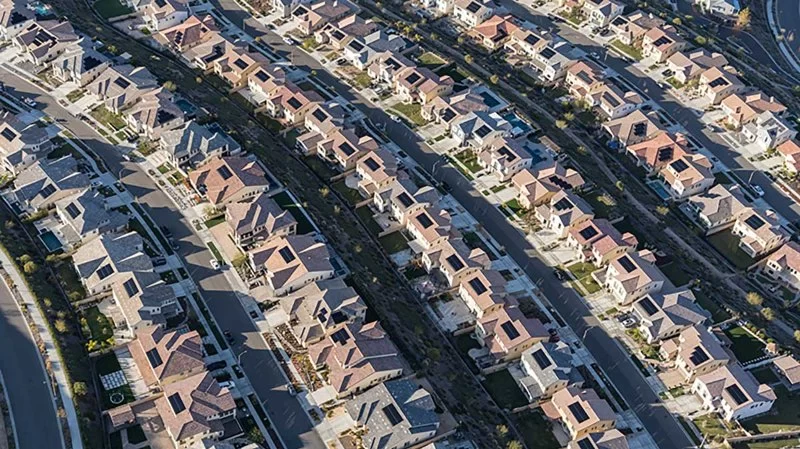
The global housing crisis is one of the most pressing issues of the 21st century. Across the world, millions of people face inadequate housing, overcrowding, and a lack of affordable options. The problem is particularly severe in urban areas where rapid population growth outpaces the availability of housing.
1.1 Population Growth and Urbanization
The global population is growing rapidly, and a significant portion of this growth is concentrated in cities. As more people move to urban areas in search of better opportunities, the demand for housing increases, often leading to higher rents, overcrowded neighborhoods, and a rise in homelessness. This urbanization trend, while contributing to economic growth, has strained housing infrastructure and led to a scarcity of affordable homes.
1.2 Economic Disparities
Economic inequality is another major contributor to the housing crisis. As wealth becomes more concentrated in the hands of a few, a significant portion of the population is left unable to afford decent housing. This disparity often results in a lack of affordable options for low-income individuals and families, forcing them to live in substandard conditions or far from urban centers.
2. How Architecture Can Offer Solutions
Architecture plays a crucial role in addressing the global housing crisis. By focusing on sustainable design, affordable construction methods, and innovative urban planning, architects can contribute to solving the housing shortage and improving the quality of life for millions of people.
2.1 Affordable and Sustainable Housing
One of the key ways that architecture can help solve the housing crisis is by focusing on the design and construction of affordable and sustainable housing. Architects can utilize local materials, design efficient floor plans, and employ cost-effective construction techniques to create homes that are both affordable and environmentally friendly. These homes should be energy-efficient, durable, and adaptable to the changing needs of the community.
2.2 Modular and Prefabricated Housing
Modular and prefabricated housing has become an increasingly popular solution in many parts of the world. These homes are manufactured off-site and then assembled on location, reducing construction time and costs. This approach can provide quick, affordable housing solutions in response to the urgent need for homes in overcrowded cities or disaster-stricken areas.
2.3 Mixed-Use Developments and Urban Planning
Architects are also exploring mixed-use developments that combine residential, commercial, and recreational spaces in one building or community. These developments promote a sense of community, reduce the need for transportation, and provide access to essential services. Urban planning that integrates green spaces, public transportation, and affordable housing can help create sustainable cities that are livable and resilient to future challenges.
3. Case Studies: Architectural Innovations in Housing
There have been several notable case studies in which architecture has made a significant impact on addressing the housing crisis. These examples highlight the importance of innovative design and the potential for architecture to transform communities.
3.1 The Shigeru Ban Disaster Relief Housing
Renowned architect Shigeru Ban is known for his innovative use of paper tubing in the design of disaster relief housing. His work in places like post-earthquake Haiti and Japan showcases how architecture can address housing shortages in emergency situations. By using inexpensive, readily available materials, Ban has provided quick, safe housing solutions for displaced communities.
3.2 The Social Housing Project in Vienna
Vienna's social housing model is often cited as a successful example of affordable housing design. The city's focus on high-quality, affordable housing for all income levels has helped mitigate the housing crisis. Through careful planning and government support, Vienna has created a mix of subsidized and market-rate housing, ensuring that the needs of low-income residents are met while maintaining the integrity of the urban landscape.
3.3 The Urban Villages in China
In China, the concept of "urban villages" has been developed to address the rapid urbanization and housing shortages in major cities like Shenzhen. These developments, often located on the outskirts of cities, provide affordable housing while integrating green spaces and community amenities. By using efficient design and community-focused planning, urban villages offer a sustainable solution to the housing crisis in fast-growing urban areas.
In conclusion, architecture has a significant role to play in addressing the global housing crisis. Through innovative design, sustainable construction, and urban planning, architects can provide affordable housing solutions that meet the needs of growing populations while promoting social equity and environmental sustainability.