

- 1-Understanding Energy-Efficient Architecture
- 2-Design Principles for Sustainable Cities
- 3-Case Studies of Energy-Efficient Urban Design
- 4-Innovative Materials and Technologies
- 5-Expert Insights from 10 Jay Street
1. Understanding Energy-Efficient Architecture
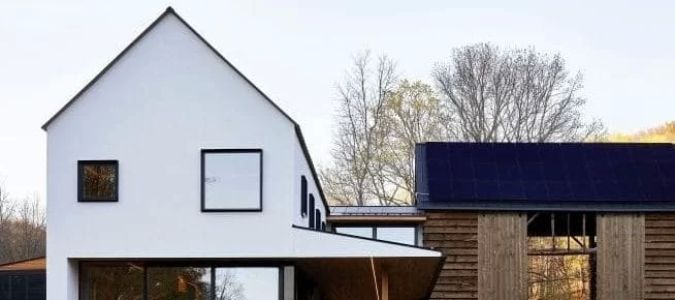
Energy-efficient architecture plays a pivotal role in reducing the environmental impact of urban development. By carefully designing buildings that minimize energy consumption, cities can achieve sustainable growth while reducing greenhouse gas emissions. Strategies include optimizing natural light, incorporating passive heating and cooling systems, and ensuring proper insulation. For instance, a mid-rise residential project in Seattle integrated solar panels and smart shading systems, reducing energy use by 40% compared to conventional buildings. Understanding these principles allows architects and urban planners to create spaces that are not only functional but environmentally responsible.
2. Design Principles for Sustainable Cities
Architectural planning at the city level requires a holistic approach. Effective strategies for energy efficiency include:
- Compact Urban Layouts: Reducing urban sprawl minimizes transportation energy consumption.
- Mixed-Use Development: Combining residential, commercial, and recreational spaces encourages walking and cycling.
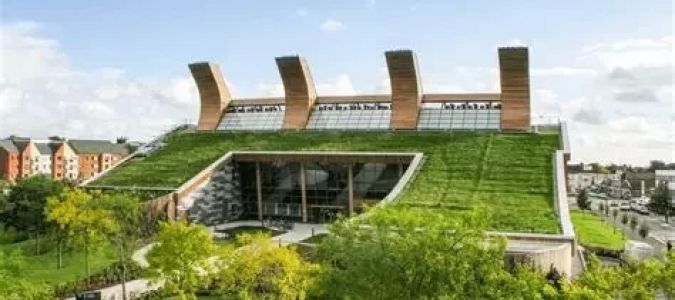
- Green Roofs and Urban Vegetation: Plants help regulate building temperatures and improve air quality.
- Smart Infrastructure: Intelligent lighting, water management, and energy monitoring systems optimize urban energy use.
These principles demonstrate how architecture can influence energy consumption patterns and foster environmentally friendly cities.
3. Case Studies of Energy-Efficient Urban Design
Several cities provide excellent examples of architecture driving energy efficiency. In Copenhagen, district heating systems paired with high-performance building envelopes significantly reduce energy demand. Singapore incorporates vertical gardens and integrated shading systems to manage heat and improve comfort. Similarly, the Bullitt Center in Seattle, often called the “greenest commercial building in the world,” features net-zero energy design and rainwater harvesting, serving as a model for future urban developments. These real-world applications highlight the tangible benefits of prioritizing energy-efficient architectural strategies.
4. Innovative Materials and Technologies
Advances in construction materials and technology are critical to energy-efficient cities. High-performance glazing, phase-change materials, and low-energy HVAC systems can dramatically reduce energy consumption. Additionally, integrating renewable energy sources such as solar panels or geothermal systems at the building and district levels provides long-term sustainability. For example, a recent residential complex in New York incorporated triple-glazed windows and rooftop photovoltaics, cutting annual electricity usage by nearly half. These innovations demonstrate how material science and technology can amplify the impact of architectural design on energy efficiency.
5. Expert Insights from 10 Jay Street
Experts at 10 Jay Street emphasize a collaborative approach where architects, urban planners, and engineers work together to create energy-efficient cities. Key recommendations include early integration of sustainability principles in the design phase, using predictive modeling to optimize building performance, and considering local climate conditions. Their team highlights that energy-efficient architecture is not just about technology—it is about thoughtful design that harmonizes functionality, aesthetics, and environmental responsibility. Partnering with 10 Jay Street allows cities and developers to implement cutting-edge strategies while ensuring long-term energy savings.