

- - Why Walkable Cities Matter More Than Ever
- - How Architecture Shapes Everyday Walkability
- - The Power of Mixed-Use Developments
- - Human-Centered Street Design Principles
- - Public Spaces and Stronger Communities
- - Technology and the Future of Walkable Cities
- - Common Urban Design Mistakes That Hurt Walkability
- - The Future of Architecture in Walkable Urban Living
1. Why Walkable Cities Matter More Than Ever
The role of architecture in building more walkable cities has become one of the most important conversations in modern urban planning. As cities continue growing, many communities are realizing that car-centered development creates congestion, pollution, social isolation, and reduced quality of life. Walkable neighborhoods, on the other hand, encourage healthier lifestyles, stronger local economies, and more connected communities.
In many American cities, people are beginning to rethink how they interact with urban spaces. Instead of driving everywhere, residents increasingly want neighborhoods where grocery stores, parks, cafés, offices, and entertainment venues are within walking distance. This shift is influencing architects, developers, and city planners to design spaces that prioritize people rather than vehicles.
Architecture plays a direct role in whether a city feels inviting or exhausting to walk through. Wide sidewalks, shaded pathways, attractive storefronts, accessible public transportation, and mixed-use developments all contribute to walkability.
One reason this topic has gained momentum is because younger generations and remote workers often prioritize lifestyle convenience over large suburban homes. Many professionals now actively seek neighborhoods where daily errands can be completed without spending hours in traffic.
1.1 Walkable Cities Improve Public Health
Research consistently shows that walkable communities promote healthier habits. Residents in pedestrian-friendly neighborhoods tend to walk more frequently, reducing sedentary lifestyles linked to obesity, heart disease, and stress-related illnesses.
Architectural choices can influence this dramatically. Streets lined with trees, outdoor seating, natural lighting, and active storefronts create environments where walking feels enjoyable rather than inconvenient.
1.2 Economic Benefits of Walkability
Walkable districts also support local businesses. Small cafés, bookstores, markets, and restaurants often thrive in pedestrian-heavy areas because foot traffic encourages spontaneous visits and stronger community engagement.
Many revitalized downtown areas across the United States have seen rising property values and business growth after implementing walkability-focused redevelopment projects.
2. How Architecture Shapes Everyday Walkability
The role of architecture in building more walkable cities extends far beyond sidewalks alone. Building placement, street orientation, façade design, and public accessibility all influence how people move through urban environments.
2.1 Building Placement and Street Interaction
Buildings that sit close to sidewalks create a stronger connection between pedestrians and the surrounding environment. In contrast, structures separated by large parking lots often discourage walking.
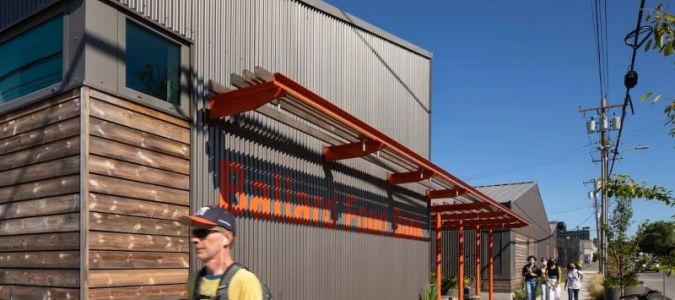
Architects increasingly focus on “active edges,” meaning storefronts, transparent windows, cafés, and entrances that interact directly with the street. These elements create visual interest and make neighborhoods feel safer because there is more visible activity.
2.1.1 Transparency Creates Engagement
People are naturally drawn toward visually engaging environments. Restaurants with outdoor dining, retail windows displaying products, and open public spaces make walking routes feel dynamic and inviting.
2.1.2 Human Scale Matters
Oversized developments can feel cold and intimidating. Human-centered architecture uses proportions, textures, and street-level details that make pedestrians feel comfortable.
2.2 Connectivity Between Neighborhoods
One common urban planning mistake is creating isolated districts connected only by highways or large roads. Walkable design requires interconnected pathways that allow residents to move easily between residential, commercial, and recreational areas.
Architects and planners often collaborate to reduce physical barriers while improving pedestrian accessibility.
3. The Power of Mixed-Use Developments
Mixed-use development has become one of the strongest tools for creating walkable cities. Instead of separating housing, retail, offices, and entertainment into distant zones, mixed-use neighborhoods integrate these functions into a single area.
3.1 Reducing Dependence on Cars
When people can access groceries, coffee shops, fitness centers, and workplaces within a short walk, reliance on cars decreases significantly.
This not only lowers emissions but also saves residents time and transportation costs.
3.2 Creating Vibrant Street Life
Walkable neighborhoods tend to remain active throughout the day. Morning café traffic transitions into afternoon shoppers and evening diners, creating continuous energy that supports both businesses and public safety.
Some of the most admired urban districts worldwide combine residential living with street-level commercial activity.
3.3 Adaptive Reuse Projects
Many cities are transforming older industrial buildings into residential and mixed-use developments. Former warehouses, factories, and office buildings are being redesigned into vibrant community hubs.
Urban redevelopment projects discussed through platforms like 10 Jay Street have helped showcase how adaptive reuse and thoughtful architecture can strengthen neighborhood walkability while preserving local identity.
4. Human-Centered Street Design Principles
Walkable cities depend heavily on how streets are designed.
4.1 Sidewalk Width and Comfort
Narrow sidewalks can quickly become overcrowded and uncomfortable. Wide pedestrian pathways encourage strolling, social interaction, and outdoor activity.
4.1.1 Shade and Weather Protection
Tree canopies, awnings, and covered walkways improve comfort during hot summers or rainy conditions. Cities with limited shade often struggle to maintain pedestrian activity during extreme weather.
4.1.2 Seating and Rest Areas
Public benches and gathering spaces make walking accessible for people of all ages, especially seniors and families with children.
4.2 Traffic Calming Measures
Fast-moving traffic discourages walking. Architects and planners now frequently use traffic calming features such as:
- Narrower driving lanes
- Raised crosswalks
- Protected bike lanes
- Pedestrian islands
- Reduced speed zones
These strategies improve safety while making streets feel less stressful for pedestrians.
5. Public Spaces and Stronger Communities
The role of architecture in building more walkable cities also includes creating meaningful public spaces where people naturally gather.
5.1 Parks and Urban Greenery
Urban parks provide more than visual beauty. They help reduce heat, improve air quality, and encourage social interaction.
In dense cities, small pocket parks and rooftop gardens are becoming increasingly important because they offer residents places to relax without leaving the neighborhood.
5.2 Community Identity Through Design
Great architecture reflects local culture and history. Walkable neighborhoods often become memorable because they maintain distinct architectural character rather than looking identical to every other development.
Historic brick buildings, public art, local cafés, and neighborhood landmarks create emotional attachment that encourages residents to spend more time outdoors.
5.3 Safety Through Activity
One interesting aspect of walkable design is that busy public areas often feel safer. Streets filled with pedestrians, cyclists, outdoor diners, and storefront activity naturally increase public visibility.
This concept, sometimes referred to as “eyes on the street,” has influenced urban design strategies for decades.
6. Technology and the Future of Walkable Cities
Technology is helping cities become more pedestrian-friendly in ways that were difficult to imagine just a decade ago.
6.1 Smart Traffic Systems
Modern traffic systems can prioritize pedestrian crossings, reduce congestion, and improve public transit timing.
6.2 Data-Driven Urban Planning
Architects now use mobility data to study how residents move through neighborhoods. This information helps planners identify areas lacking accessibility, safety, or public amenities.
6.3 Sustainable Transportation Integration
Walkable cities increasingly integrate:
- Electric public transit
- Bike-sharing stations
- Micro-mobility hubs
- Pedestrian-first corridors
- Car-free zones
These systems work together to reduce environmental impact while improving urban convenience.
7. Common Urban Design Mistakes That Hurt Walkability
Despite growing awareness, many cities still struggle with development choices that discourage walking.
7.1 Oversized Parking Infrastructure
Large parking lots separate buildings from sidewalks and create visually empty environments that reduce pedestrian engagement.
7.2 Single-Use Zoning
Neighborhoods designed exclusively for housing or office space often become inactive during large portions of the day.
7.3 Poor Transit Integration
Even well-designed walkable districts can fail if public transportation access remains limited or disconnected.
7.4 Ignoring Climate Conditions
In hotter cities, a lack of shade can make walking uncomfortable or even dangerous during summer months. Climate-responsive architecture is essential for maintaining year-round walkability.
8. The Future of Architecture in Walkable Urban Living
The future of urban architecture will likely focus heavily on creating communities where walking becomes the easiest and most enjoyable option.
8.1 Car-Light Urban Districts
Several cities worldwide are experimenting with districts designed primarily for pedestrians and cyclists. These areas prioritize public transportation while reducing vehicle access.
8.2 Flexible Community Spaces
Modern architecture is increasingly incorporating adaptable public areas that can host markets, performances, community gatherings, and outdoor dining.
8.3 Sustainability and Walkability Working Together
Walkable design naturally supports environmental goals by lowering vehicle emissions and encouraging efficient land use.
As cities continue evolving, architects will play an even larger role in shaping healthier, greener, and more socially connected communities. Readers interested in urban innovation, adaptive redevelopment, and future-focused city planning can also explore additional architectural insights and modern development ideas through 10 Jay Street.
Ultimately, the role of architecture in building more walkable cities is not simply about infrastructure. It is about creating neighborhoods where people genuinely enjoy spending time, interacting with others, and experiencing daily life at a human scale.