

- The Role of Architecture in Creating Climate-Resilient Infrastructure
- Why Climate Resilience is Necessary for Buildings
- How Architecture Can Contribute to Climate-Resilient Infrastructure
- Innovative Designs for Climate-Resilient Buildings
- Real-World Examples of Climate-Resilient Architecture
- The Future of Climate-Resilient Architecture
The Role of Architecture in Creating Climate-Resilient Infrastructure
As the effects of climate change become increasingly apparent, the role of architecture in creating climate-resilient infrastructure has never been more critical. Architects are tasked not only with designing functional and aesthetically pleasing buildings but also with ensuring that these structures can withstand the growing challenges posed by extreme weather events, rising sea levels, and fluctuating temperatures. In this article, we will explore how architecture plays a pivotal role in building climate-resilient infrastructure and why this is essential for our future.
Why Climate Resilience is Necessary for Buildings
Climate resilience refers to the ability of a building or infrastructure to anticipate, prepare for, and respond to the impacts of climate change. This is an urgent need, as many buildings, especially in coastal areas and flood-prone zones, are vulnerable to extreme weather conditions such as hurricanes, floods, and heatwaves. Without climate-resilient infrastructure, these buildings can suffer significant damage, leading to costly repairs, displacement, and even loss of life.
The importance of climate resilience goes beyond just avoiding physical damage; it’s also about creating spaces that are safe, sustainable, and adaptable. Buildings that are not designed with climate resilience in mind can also contribute to the urban heat island effect, exacerbate flooding, and increase energy consumption. As we look to the future, architects and urban planners must design buildings that not only serve their intended purposes but also contribute to the long-term health of our planet and its inhabitants.
How Architecture Can Contribute to Climate-Resilient Infrastructure
Architecture plays a crucial role in enhancing the resilience of buildings and infrastructure against the impacts of climate change. Here are several ways architecture can help create climate-resilient structures:
1. Using Sustainable Materials
Sustainable materials are essential for reducing a building’s environmental impact and improving its resilience. Materials such as recycled steel, bamboo, and low-carbon concrete not only minimize waste but also offer durability and strength against extreme weather conditions. In addition, these materials are often more energy-efficient and can contribute to the overall sustainability of the building, reducing its carbon footprint.
2. Integrating Energy-Efficient Design
Energy efficiency is a cornerstone of climate resilience. Buildings designed with energy-efficient systems, such as smart windows, high-performance insulation, and solar panels, reduce their reliance on external energy sources and lower their carbon emissions. This is particularly important as the frequency of extreme heat events increases, as energy demand for cooling systems will spike. By designing buildings that reduce energy consumption, architects can help mitigate climate change while making buildings more resilient to temperature extremes.
3. Designing for Flood Prevention
Flooding is one of the most immediate risks associated with climate change, especially in low-lying and coastal areas. Architects can design buildings to withstand flooding by incorporating elevated foundations, water-resistant materials, and stormwater management systems. For example, buildings with raised first floors or water-permeable landscaping help reduce the impact of flooding and allow water to flow through the site without causing major damage.
4. Incorporating Green Infrastructure
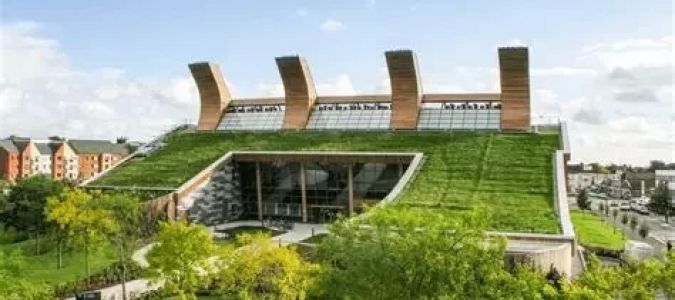
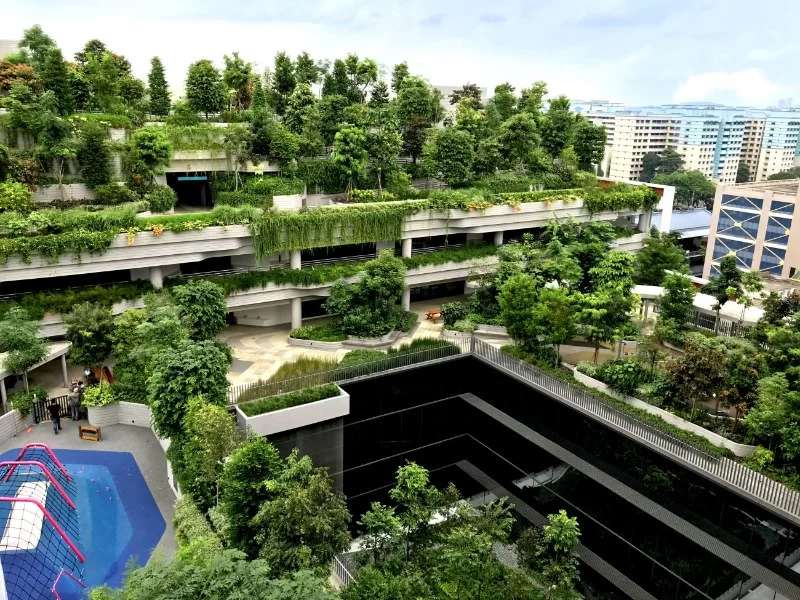
Green infrastructure, such as green roofs, rain gardens, and permeable pavements, can help mitigate the effects of climate change. These features not only reduce stormwater runoff but also improve air quality, provide habitat for wildlife, and enhance the aesthetic appeal of buildings. Integrating nature into the built environment is an effective strategy for making urban areas more resilient to heatwaves, flooding, and pollution.
Innovative Designs for Climate-Resilient Buildings
Architects around the world are developing innovative designs that prioritize climate resilience while also offering unique and inspiring solutions. Some of these designs challenge traditional ideas about architecture and redefine the way we think about sustainable living.
1. Floating Homes
In areas where rising sea levels are a major concern, floating homes offer a novel solution. These homes are designed to rise with the water level, reducing the risk of flooding and enabling residents to live safely in flood-prone regions. Floating homes also incorporate sustainable features like solar panels and rainwater harvesting systems to ensure that they remain energy-efficient and environmentally friendly.
2. Zero-Carbon Buildings
Zero-carbon buildings are designed to have little to no carbon footprint over their entire lifecycle. These buildings rely on renewable energy sources, sustainable construction materials, and energy-efficient designs to ensure that they do not contribute to climate change. By creating net-zero buildings, architects are helping to pave the way for a sustainable and climate-resilient future.
3. Modular Buildings
Modular buildings, which are made of prefabricated units that can be easily assembled on-site, are gaining popularity as a way to build quickly and sustainably. These buildings are often designed to be adaptable, allowing for easy modifications or expansions in the future. Modular buildings can be designed to withstand extreme weather conditions and are often more energy-efficient than traditional buildings, making them a perfect solution for climate resilience.
Real-World Examples of Climate-Resilient Architecture
Several notable projects around the world showcase how innovative architecture can help create climate-resilient infrastructure. Here are some of the most inspiring examples:
1. The Edge, Amsterdam
The Edge, a high-performance office building in Amsterdam, is a prime example of how architecture can combine sustainability and resilience. The building is designed to be energy-efficient, with smart technologies that optimize energy usage, and it is equipped with rainwater harvesting systems and solar panels. The Edge is not only a model of sustainability but also demonstrates how modern architecture can help combat climate change.
2. Bosco Verticale, Milan
The Bosco Verticale (Vertical Forest) in Milan is a stunning example of biophilic design, where green spaces are integrated into the structure of the building. The two residential towers are covered with trees, plants, and shrubs, creating a living ecosystem that helps reduce pollution and promote biodiversity. This project highlights how incorporating nature into urban design can make buildings more resilient to climate change.
3. The Green Building, New York
The Green Building in New York is another outstanding example of climate-resilient design. The building is designed with energy-efficient systems, including solar panels and a green roof, and it also incorporates water conservation features like rainwater harvesting. The Green Building shows how architects can create buildings that are not only resilient to climate change but also contribute to the overall sustainability of the city.
The Future of Climate-Resilient Architecture
As climate change continues to pose new challenges, the future of architecture will rely on innovative solutions that prioritize sustainability and resilience. Architects will need to think outside the box, embracing new materials, technologies, and design principles to create buildings that can withstand the impacts of climate change. The future of climate-resilient architecture is one where buildings not only survive but thrive in an ever-changing environment.
For more insights and ideas on how architecture is evolving to meet the challenges of climate change, visit 【10 Jay Street】 for the latest trends and solutions in sustainable design.