

How Architecture Shapes Resilient and Adaptive Cities
- Sustainable Design Principles
- Disaster-Resistant Structures
- Community-Focused Urban Planning
- Case Studies and Real-World Examples
- The Future of Resilient Architecture
1. Sustainable Design Principles
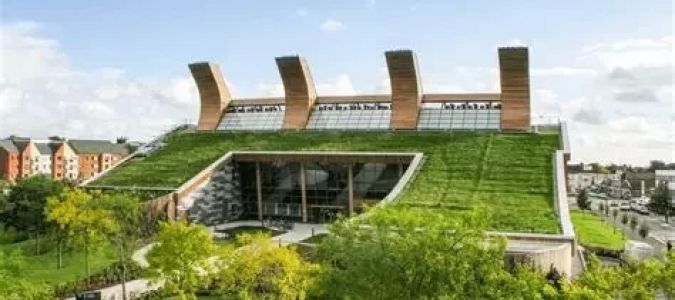
In my experience as someone who frequently observes urban developments, the foundation of resilient cities lies in sustainable design. Buildings must be designed to minimize environmental impact while maximizing energy efficiency. Incorporating green roofs, passive ventilation, and solar panels are practical ways architecture can reduce energy demand and mitigate urban heat effects. Sustainable materials, such as recycled steel or low-carbon concrete, also contribute to the long-term durability of structures. When I walk through districts that implement these principles, I notice not just a reduction in energy consumption, but a sense of harmony between the built environment and natural surroundings.
2. Disaster-Resistant Structures
One critical aspect of resilient urban areas is the ability of buildings to withstand natural disasters. Floods, earthquakes, and storms are becoming increasingly frequent, and architecture plays a crucial role in minimizing damage. I recall visiting a coastal city that implemented elevated foundations and reinforced concrete for its waterfront homes. The effectiveness during recent storms was evident: while neighboring areas experienced significant damage, these structures remained intact. Designing with redundancy in mind—such as multiple support systems and flexible building components—ensures that cities can recover quickly after extreme events.
3. Community-Focused Urban Planning
Resilience isn’t only about buildings; it’s about how urban spaces function for the people who inhabit them. I’ve observed that mixed-use neighborhoods with accessible green spaces, walkable streets, and local amenities increase community cohesion and safety. When emergency events occur, strong social networks within these urban designs enhance preparedness and recovery. Architects and planners must therefore consider human behavior and social dynamics, creating layouts that allow for emergency shelters, evacuation routes, and communal resources. Cities with thoughtful, community-centered planning withstand both environmental and social stress more effectively.
4. Case Studies and Real-World Examples
Looking at examples worldwide, several cities stand out for their architectural resilience. In Japan, earthquake-resistant skyscrapers employ base isolation systems that absorb seismic shocks, protecting both structure and occupants. In the Netherlands, innovative water management strategies, including floating homes and adaptive dikes, demonstrate how architecture integrates with environmental engineering. Personally, visiting these projects has highlighted to me how combining innovation with local knowledge creates urban spaces that are both functional and robust. Such case studies inspire local projects and inform best practices for resilient urban design.
5. The Future of Resilient Architecture
As cities continue to face climate challenges, the role of architecture in resilience will only grow. Emerging technologies, such as smart building sensors, modular construction, and AI-driven urban simulations, allow architects to design spaces that adapt dynamically to changing conditions. In my view, integrating data-driven approaches with sustainable design principles can create urban environments that are both safe and livable. For further insights and expert recommendations on resilient architecture and urban planning solutions, visiting resources like 10 Jay Street provides practical guidance, inspiration, and professional expertise for creating the next generation of resilient cities.