

- #why-architecture-is-key-to-building-resilient-cities - Why Architecture Is Key to Building Resilient Cities
- #how-architecture-contributes-to-urban-resilience - How Architecture Contributes to Urban Resilience
- #examples-of-resilient-architecture-in-modern-cities - Examples of Resilient Architecture in Modern Cities
- #sustainable-architecture-for-climate-resilience - Sustainable Architecture for Climate Resilience
- #how-urban-planning-creates-resilient-communities - How Urban Planning Creates Resilient Communities
- #future-architecture-solutions-for-resilience - Future Architecture Solutions for Urban Resilience
1. Why Architecture Is Key to Building Resilient Cities
As cities continue to grow and face new challenges, from climate change to rapid urbanization, the role of architecture in creating resilient cities has never been more important. In my own journey as an architecture enthusiast, I’ve realized that the designs we choose for buildings and infrastructure today can have a profound impact on a city’s ability to withstand future challenges. Resilient cities aren’t just about having strong buildings—they’re about designing spaces that can adapt, evolve, and recover from the unexpected. It’s the ability to withstand natural disasters, economic shifts, and even pandemics that makes a city resilient.
1.1 Defining Resilience in Architecture
Resilience in the context of cities goes beyond simply surviving disasters. It’s about being adaptable, efficient, and sustainable. A resilient city has the capacity to bounce back from adverse conditions—whether it’s a hurricane, an earthquake, or an economic downturn—without losing its essential functions. The role of architecture in this context is to design buildings and infrastructure that are flexible, energy-efficient, and capable of withstanding environmental shocks. For example, resilient architecture involves the use of materials and designs that can endure extreme weather conditions, such as heat waves, floods, or heavy storms.
1.1.1 The Importance of Climate Adaptability
Climate change is one of the most significant challenges cities face today. From rising sea levels to extreme weather events, architecture plays a critical role in helping cities adapt. Modern architects are increasingly turning to sustainable and eco-friendly designs to create buildings that can manage and mitigate environmental stress. These architectural solutions are essential for building cities that are not only livable today but can also thrive in the future, despite the unpredictable nature of climate change.
1.2 The Role of Sustainable Design
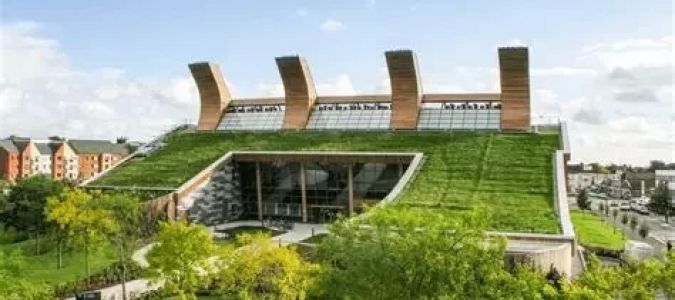
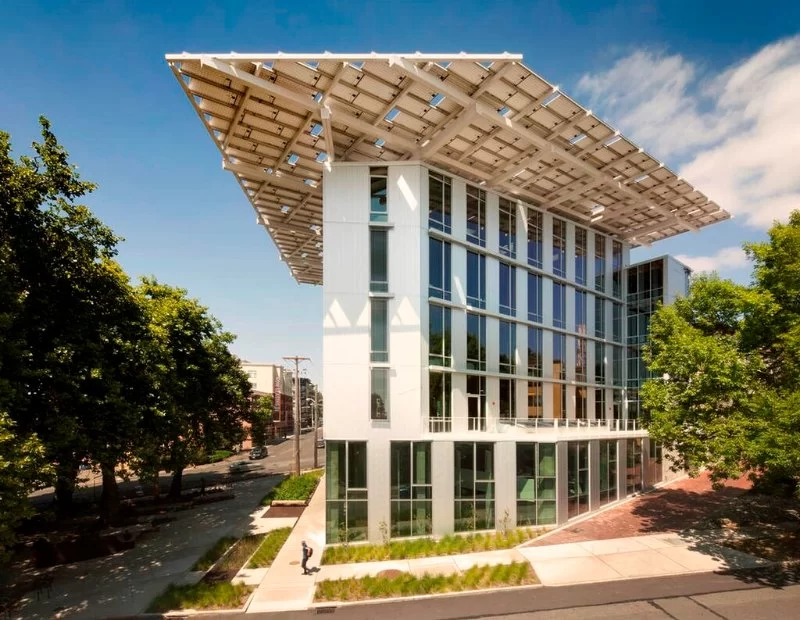
Sustainability is central to resilience. As cities grow, they require infrastructure that doesn’t deplete natural resources or harm the environment. The architecture of resilient cities includes energy-efficient buildings, sustainable transportation systems, and green spaces that improve air quality. I’ve been particularly inspired by architects who focus on creating urban environments that work in harmony with nature. Whether it’s through green rooftops, solar panels, or energy-efficient building materials, sustainable design has a direct influence on a city’s resilience.
1.2.1 The Impact of Green Building Standards
Green building certifications, such as LEED (Leadership in Energy and Environmental Design), are becoming the standard for new developments. These certifications encourage energy conservation, water efficiency, and the use of sustainable materials. As more cities embrace green building standards, architecture continues to push the boundaries of what is possible in terms of sustainability and resilience.
2. How Architecture Contributes to Urban Resilience
When I think about how architecture contributes to urban resilience, several key aspects come to mind. Resilient architecture isn’t just about building strong structures; it’s about creating spaces that foster community, promote health, and enable cities to function effectively even in the face of adversity. Here’s how architecture plays a crucial role in building cities that are prepared for the future.
2.1 Building Infrastructure That Adapts
Modern architecture is about more than just aesthetics—it’s about functionality and adaptability. Resilient cities need infrastructure that can evolve as the needs of the population change. For example, modular buildings are becoming increasingly popular in cities around the world. These structures can be easily expanded or reconfigured to meet changing needs, whether it’s accommodating more people, adapting to new technologies, or responding to environmental challenges. This kind of architectural flexibility is essential for a city to remain functional and sustainable over time.
2.1.1 Multi-Use Spaces for Flexibility
In resilient cities, spaces are designed with multiple uses in mind. This flexibility is vital when unforeseen circumstances arise. I’ve seen how multi-use buildings—those that can serve as community centers, offices, or even emergency shelters—are becoming increasingly popular. These buildings can adapt to whatever the community needs at any given time, helping the city to maintain its function in times of crisis.
2.2 Fostering Community Connections
Architecture has the power to bring people together. Public spaces like parks, plazas, and cultural centers are essential for fostering community connections. In resilient cities, these spaces are thoughtfully designed to encourage social interaction, provide opportunities for outdoor activities, and create a sense of belonging. I’ve witnessed firsthand how well-designed public spaces contribute to the health and well-being of residents, making cities more cohesive and supportive, especially during difficult times.
2.2.1 The Power of Community Spaces in Times of Crisis
When disasters strike, it’s often the communal spaces that provide a sense of security and comfort. These spaces become gathering points for support, resilience, and recovery. I remember during a natural disaster, the local community center quickly turned into a hub for aid distribution, emotional support, and coordination. This is an example of how architecture—when thoughtfully planned—can help create a network of support and solidarity that strengthens a city in times of need.
3. Examples of Resilient Architecture in Modern Cities
Around the world, we’re seeing more cities embrace the idea of resilient architecture. From earthquake-resistant buildings to flood-proof infrastructure, architects are designing spaces that stand the test of time and environmental challenges. Let me share a few inspiring examples of resilient architecture from modern cities.
3.1 The Edge in Amsterdam
The Edge in Amsterdam is considered one of the most sustainable office buildings in the world. It’s designed with energy efficiency in mind, featuring solar panels, a water recycling system, and smart building technology. This building is a perfect example of how architecture can play a role in creating resilient cities by addressing both environmental sustainability and energy consumption.
3.1.1 Smart Technologies for Resilience
Smart building technologies, like the ones used in The Edge, help monitor and adjust energy use, reduce waste, and improve overall building performance. These technologies make it easier for cities to manage resources more effectively and reduce their environmental impact, contributing to a more resilient urban environment.
3.2 The Bosco Verticale in Milan
Another impressive example is the Bosco Verticale (Vertical Forest) in Milan. This pair of residential towers is covered with more than 9,000 trees and 13,000 plants, making it an example of how architecture can improve air quality and reduce urban heat islands. By integrating greenery into the building’s design, Bosco Verticale helps mitigate climate-related challenges, such as pollution and rising temperatures, making it a resilient solution to urban living.
3.2.1 Green Architecture as a Resilient Solution
Green architecture is becoming a hallmark of resilient cities. Buildings like Bosco Verticale demonstrate how integrating nature into urban environments can help mitigate the effects of climate change while enhancing the livability and beauty of the city. The use of green spaces not only contributes to the city’s resilience but also helps improve the mental health and well-being of its residents.
4. Sustainable Architecture for Climate Resilience
Sustainable architecture plays a critical role in ensuring cities remain resilient to climate change. With rising temperatures, increasing storm intensity, and unpredictable weather patterns, cities must adapt to these changes. Sustainable architecture offers solutions to many of these problems by designing buildings that use less energy, produce fewer emissions, and create environments that are better suited to the challenges of climate change.
4.1 Energy-Efficient Buildings
Energy efficiency is one of the cornerstones of sustainable architecture. By incorporating energy-efficient technologies, such as passive solar heating, high-performance insulation, and energy-efficient windows, buildings consume less energy, making them more sustainable in the long run. These buildings also reduce the strain on power grids and minimize the impact of extreme weather events, which are becoming more common with climate change.
4.1.1 Solar Energy Integration
Solar energy is another critical component of sustainable architecture. Buildings that incorporate solar panels or other renewable energy sources reduce their dependence on fossil fuels and contribute to a more resilient energy grid. Cities that invest in solar energy infrastructure are setting themselves up for long-term success, ensuring that their residents have access to clean, sustainable energy sources even in the face of environmental challenges.
4.2 Water Management and Flood Resilience
As cities grow and face the challenges of rising sea levels and flooding, architects are focusing on innovative water management solutions. One example is the use of green roofs, rainwater harvesting systems, and permeable surfaces that allow water to be absorbed and redirected. These systems help prevent flooding, reduce the burden on city drainage systems, and contribute to overall water resilience in the face of climate change.
5. How Urban Planning Creates Resilient Communities
Urban planning is just as important as architecture when it comes to building resilient cities. It’s not just about designing buildings; it’s about creating an environment where people can thrive, even in the face of adversity. Smart urban planning incorporates factors such as access to green spaces, sustainable transportation, and robust infrastructure that can withstand natural disasters.
5.1 Designing Walkable Neighborhoods
Walkability is a key factor in resilient urban design. Cities that are designed with walkable neighborhoods reduce the need for cars, decreasing carbon emissions and improving air quality. Walkable communities are also more resilient during natural disasters, as residents can more easily access resources and evacuate if needed. By promoting walkability, urban planning can enhance the overall resilience of a city.
5.1.1 Mixed-Use Developments
Another key element of urban resilience is mixed-use development, where residential, commercial, and recreational spaces are integrated into a single area. This creates a more sustainable and self-sufficient community, reducing the need for long commutes and making it easier for residents to access services and amenities. Mixed-use developments also foster a sense of community, which is essential in times of crisis.
For more information on sustainable urban planning and resilient architectural solutions, visit 10 Jay Street for expert insights and recommendations on the future of urban development.