

The Role of Architecture in Fostering Social Interaction in Urban Areas
As an urban resident and someone deeply interested in how spaces shape human behavior, I have always observed how architecture influences social interactions. Walking through my city, I notice that certain plazas, parks, and pedestrian streets naturally encourage people to linger, chat, and participate in communal activities, while other spaces feel cold and isolating despite being centrally located. Understanding the role of architecture in fostering social interaction is essential for building vibrant and connected urban communities.
1. Designing Spaces That Encourage Gathering
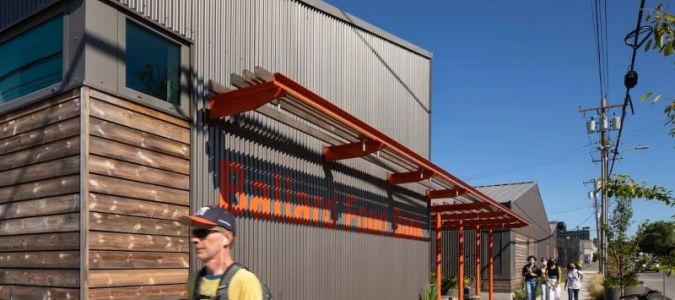
One of the most noticeable ways architecture fosters social interaction is through intentional design of communal spaces. I remember visiting a downtown neighborhood where the open square was designed with tiered seating, shaded areas, and strategically placed planters. Families, street performers, and groups of friends naturally gravitated toward these spaces, creating a lively atmosphere. Architectural elements such as benches, water features, and open layouts subtly invite people to stay, interact, and engage with one another.
Urban designers increasingly use concepts like “eyes on the street” and permeability in street layouts, which encourage casual interactions between residents, enhancing both social cohesion and a sense of safety.
2. Mixed-Use Developments and Social Connectivity
Mixed-use buildings—those that combine residential, commercial, and recreational spaces—have transformed the way I experience neighborhoods. By integrating cafes, bookstores, and small parks within walking distance of apartments, these developments naturally promote spontaneous encounters. I once spent an afternoon at a local mixed-use block where neighbors shared conversations while waiting for coffee, children played together, and local artists exhibited their work. This level of social engagement would not have been possible without thoughtful architectural planning.
Designing spaces that facilitate these interactions is not only beneficial socially but also economically, as thriving public life attracts more visitors and supports local businesses.
3. Pedestrian-Friendly Streets and Walkability
Walking through areas with wide sidewalks, pedestrian-only zones, and safe crosswalks has shown me how street architecture affects social behavior. People are more likely to pause, talk, and engage when the street feels safe and accessible. In contrast, streets dominated by vehicles often create a sense of rush and separation, discouraging casual interaction. Planners who focus on walkability, integrating seating, greenery, and human-scale lighting, effectively turn streets into social corridors rather than mere transit routes.
My experience in neighborhoods with vibrant street life has convinced me that thoughtful pedestrian-focused design is central to fostering spontaneous connections.
4. Parks, Playgrounds, and Public Amenities
Parks and playgrounds are classic examples of architecture influencing social interaction. I frequently visit a central park in my city where diverse groups converge: dog owners, fitness enthusiasts, parents with children, and elderly residents. The park’s layout—featuring walking trails, open lawns, and small amphitheaters—encourages interaction between different demographic groups that might not meet elsewhere. Architectural elements that provide comfort, visibility, and accessibility are key to making public spaces hubs of social engagement.
Incorporating amenities such as public restrooms, drinking fountains, and shaded seating further increases the likelihood that people will spend time interacting within these environments.
5. Case Study: Urban Renewal Projects
One project that particularly impressed me was the revitalization of a formerly neglected waterfront district. Through thoughtful architectural interventions—boardwalks, outdoor cafes, amphitheaters, and art installations—the area transformed into a dynamic social hub. Residents and tourists mingled, street performers entertained, and small markets flourished. This experience reinforced my belief that architecture can actively shape social life, turning underused urban spaces into vibrant centers of human activity.
Urban planners often highlight such success stories to demonstrate that investment in public infrastructure and intentional design can have long-term positive impacts on community engagement and cultural vitality.
6. Incorporating Cultural and Community Identity
Architecture also serves as a medium to reflect local culture, traditions, and shared identity, which in turn fosters a sense of belonging and interaction. I recall visiting a neighborhood where the design of a public square celebrated local heritage through murals, sculptures, and patterned paving. Residents often gathered for cultural events, workshops, and informal meetups. By embedding cultural elements into architectural design, urban spaces not only support interaction but also strengthen communal ties and pride.
7. Technology and Interactive Urban Spaces
Modern architecture increasingly incorporates technology to encourage social interaction. Digital installations, interactive fountains, and community noticeboards can make public areas more engaging. In one urban plaza, augmented reality features encouraged children and adults alike to participate in collaborative games and public art projects. Experiencing this, I realized that integrating technology thoughtfully can complement traditional architectural strategies to enhance connectivity and engagement.
8. Moving Forward: Designing Cities for Human Interaction
From my perspective, architects and urban planners must prioritize the human experience when designing urban spaces. Every design decision—from street width to building orientation, from green spaces to seating arrangements—affects how residents interact. By consciously fostering spaces for engagement, cities can become more inclusive, lively, and connected. For those seeking architectural inspiration or consulting on urban design, visiting resources such as 10 Jay Street can provide valuable insights and services to enhance community-focused urban projects.
Ultimately, architecture is more than a collection of buildings; it is a tool to cultivate social life, community resilience, and shared experiences in the urban landscape.