

- Why-architecture-matters-for-sustainability
- How-buildings-shape-urban-energy-use
- Design-strategies-that-make-cities-greener
- Real-world-examples-of-sustainable-architecture
- The-human-side-of-sustainable-design
- Challenges-and-future-directions
- How-to-think-like-a-sustainable-architect
1. Why Architecture Matters for Sustainability
I used to think sustainability was mostly about recycling, electric cars, and maybe cutting down on plastic. It wasn’t until I started paying attention to the spaces I lived and worked in that I realized something much bigger: buildings themselves shape how sustainable a city can be. That’s when I began to truly understand The Role of Architecture in Making Cities More Sustainable.
Every structure we build influences energy use, transportation patterns, and even how people interact with their environment. Cities aren’t just collections of buildings—they’re ecosystems. And architecture sits right at the center of that system.
1.1 Buildings as Long-Term Decisions
What struck me most is how long buildings last. A poorly designed building can waste energy for decades. On the other hand, a well-designed one can quietly reduce environmental impact every single day without anyone even noticing.
1.1.1 My First Realization Walking Through a Green Building
I once visited a modern office building that used natural light so effectively that artificial lighting was barely needed during the day. It didn’t feel like a “green” building—it just felt better to be inside. That experience changed how I see architecture entirely.
2. How Buildings Shape Urban Energy Use
One of the biggest contributors to urban carbon emissions is energy consumption in buildings. Heating, cooling, lighting, and appliances all add up quickly.
2.1 Passive Design Makes a Huge Difference
I learned that one of the smartest approaches is something called passive design. Instead of relying heavily on mechanical systems, architects use orientation, insulation, and natural ventilation to regulate temperature.
2.1.1 Why Orientation Matters More Than I Expected
The direction a building faces can influence how much sunlight it receives, which directly affects heating and cooling needs. It sounds simple, but it’s incredibly powerful.
2.2 Materials and Efficiency
The materials used in construction also play a major role. Sustainable materials not only reduce environmental impact during construction but also improve efficiency over time.
2.2.1 The Hidden Impact of Materials
I didn’t realize until recently that some materials store heat differently, affecting how much energy is needed to maintain indoor comfort. These small decisions add up across an entire city.
3. Design Strategies That Make Cities Greener
As I explored more, I noticed that sustainable architecture isn’t about one big solution—it’s about many thoughtful decisions working together.
3.1 Green Roofs and Urban Cooling
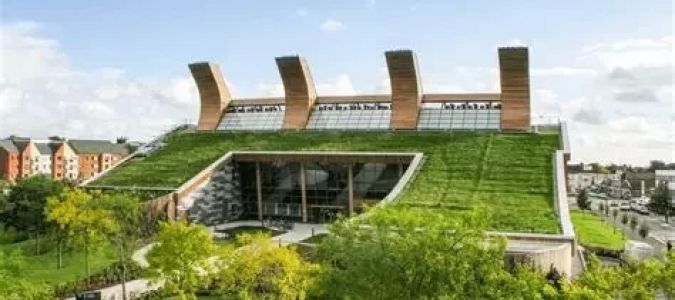
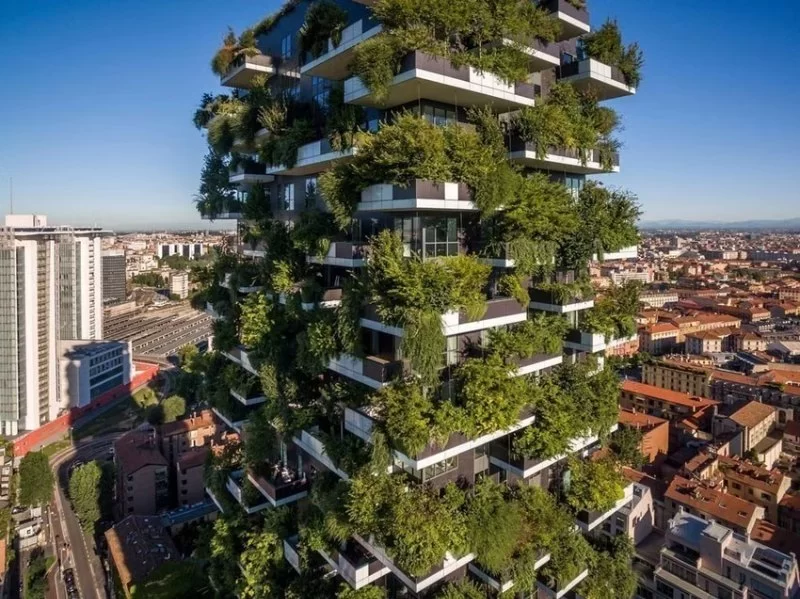
Green roofs are one of the most visible examples. They reduce heat, improve air quality, and even create small pockets of nature in dense cities.
3.1.1 Seeing It in Action
I once stood on a rooftop garden in a busy urban area, and the temperature difference was noticeable. It felt cooler, quieter, and more alive compared to the streets below.
3.2 Mixed-Use Development
Another strategy is designing neighborhoods where people can live, work, and shop in the same area. This reduces the need for long commutes and lowers emissions.
3.2.1 How It Changes Daily Life
When everything is within walking distance, people naturally rely less on cars. I’ve experienced this firsthand in neighborhoods designed this way—it changes how you move and interact with the city.
3.3 Smart Water Management
Water systems are often overlooked, but sustainable architecture includes efficient water use, rainwater harvesting, and drainage systems that prevent flooding.
4. Real-World Examples of Sustainable Architecture
It’s one thing to talk about concepts, but seeing them in real life makes a huge difference.
4.1 A Story That Changed My Perspective
I remember reading about a building in New York that transformed an old industrial space into a highly efficient, modern workspace. It maintained its original structure while integrating energy-saving technologies. That blend of old and new made me realize sustainability isn’t always about starting from scratch—it’s often about reimagining what already exists.
4.1.1 Adaptive Reuse as a Powerful Tool
Reusing existing buildings reduces waste and preserves cultural identity. It’s a reminder that sustainability can also mean respecting the past.
For those interested in spaces that reflect thoughtful design and sustainability principles, exploring projects connected with 10 Jay Street can provide insight into how modern architecture is evolving to meet environmental challenges.
5. The Human Side of Sustainable Design
Sustainability isn’t just about the environment—it’s also about people. Buildings influence how we feel, work, and live.
5.1 Health and Well-Being
Natural light, clean air, and comfortable temperatures all contribute to better health. I’ve noticed that in well-designed spaces, I feel more focused and less stressed.
5.1.1 Why Comfort Is Part of Sustainability
If a building is uncomfortable, people will rely more on energy-consuming systems. Good design reduces that need naturally.
5.2 Community and Connection
Architecture can also encourage social interaction. Public spaces, shared areas, and thoughtful layouts help build stronger communities.
6. Challenges and Future Directions
Of course, making cities more sustainable through architecture isn’t without challenges.
6.1 Cost and Accessibility
One of the biggest barriers is cost. Sustainable materials and technologies can be more expensive upfront, even if they save money in the long run.
6.1.1 Balancing Short-Term and Long-Term Thinking
I’ve seen how decision-makers sometimes prioritize immediate savings over long-term benefits. Changing that mindset is crucial.
6.2 Rapid Urban Growth
As cities grow quickly, there’s pressure to build fast rather than build sustainably. This creates a tension between speed and quality.
7. How to Think Like a Sustainable Architect
What I’ve taken away from all of this is that sustainable architecture isn’t just for professionals—it’s a way of thinking.
7.1 Asking Better Questions
Instead of asking how to build something quickly, I’ve learned to ask how it will perform over time. Will it use less energy? Will it improve quality of life?
7.1.1 Small Awareness Leads to Bigger Change
Even as individuals, understanding these principles helps us make better choices—whether it’s where we live, work, or invest.
The more I explore The Role of Architecture in Making Cities More Sustainable, the more I realize that the future of our cities depends on the decisions we make today. And those decisions start with how we design the spaces around us.