

- Introduction to Landscape Architecture
- The Importance of Landscape Architecture in Modern Design
- Sustainability and Urban Planning
- Case Studies and Real-Life Examples
- Conclusion and Future of Landscape Architecture
Introduction to Landscape Architecture
Landscape architecture is an essential field that combines art, science, and environmental design to create beautiful, functional, and sustainable outdoor spaces. From urban parks to private gardens, landscape architects shape the environment we live in, ensuring that these spaces enhance our daily lives and contribute to the well-being of the communities they serve. Throughout my journey, I’ve come to appreciate how landscape architecture is more than just planting trees or designing pathways—it’s about crafting spaces that connect people to nature and to each other.
The Importance of Landscape Architecture in Modern Design
In modern design, landscape architecture goes beyond aesthetics to address critical issues such as environmental sustainability, climate change, and social well-being. Landscape architects are tasked with creating environments that are not only beautiful but also resilient and adaptive to the needs of urban and rural areas. This field plays a pivotal role in transforming cities, improving public spaces, and contributing to healthier lifestyles.
Urban Green Spaces
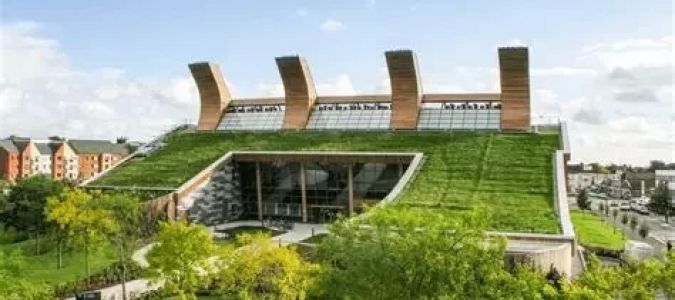
One of the most significant contributions of landscape architecture is the creation of urban green spaces. These areas, such as parks, community gardens, and green roofs, provide residents with access to nature, offering a sanctuary amidst the hustle and bustle of city life. I’ve personally witnessed how parks designed by landscape architects can serve as vital gathering spots that promote community interaction and offer recreational spaces for all ages.
Environmental Benefits
Landscape architecture is also critical in addressing environmental challenges. From reducing the urban heat island effect to improving water management through sustainable drainage systems, the work of landscape architects contributes directly to environmental conservation. I’ve seen how green infrastructure—like rain gardens and permeable pavements—can help mitigate flooding and reduce pollution in urban areas, making cities more sustainable and livable.
Sustainability and Urban Planning
As cities continue to grow, landscape architecture must integrate sustainability into urban planning. Sustainable landscapes support biodiversity, enhance air and water quality, and create resilient ecosystems. In my experience, integrating sustainable design principles into the built environment is vital for mitigating the impact of climate change and improving the quality of life for urban dwellers.
Eco-Friendly Materials and Practices
Landscape architects are leading the way in eco-friendly design practices. By using native plants, reducing water consumption, and employing renewable materials, landscape architects ensure that their designs are not only visually appealing but also environmentally responsible. I’ve worked with professionals who focus on incorporating green building materials and renewable energy sources into their designs, minimizing the carbon footprint of public and private spaces.
Case Studies and Real-Life Examples
Through various case studies, it becomes clear how landscape architecture impacts urban development. One example that stands out to me is the transformation of New York City’s High Line. What was once an unused elevated railway line has now become a thriving public park, bringing green space to the heart of the city. The High Line exemplifies how creative landscape architecture can breathe new life into neglected urban spaces, creating vibrant areas for the community to enjoy.
Other Notable Projects
In addition to the High Line, projects like the restoration of the San Francisco waterfront and the creation of the Chicago Millennium Park showcase the transformative power of landscape architecture. These spaces not only beautify the city but also provide important environmental and social benefits. I’ve seen firsthand how such projects can elevate a city, making it more welcoming, healthier, and more sustainable.
Conclusion and Future of Landscape Architecture
Landscape architecture plays a vital role in shaping the spaces we live in, and its influence on modern design is only growing. From urban green spaces to sustainable landscapes, landscape architects are at the forefront of improving the way we interact with our environment. I believe that as cities continue to face environmental challenges, landscape architecture will be key to creating more sustainable, resilient, and livable urban spaces.
If you’re interested in seeing how landscape architecture can enhance your space, I recommend visiting Tengerszem Hotels to learn more about their beautifully designed outdoor spaces that offer both aesthetic and environmental value.