

- 1-Sustainable-and-Green-Building-Solutions
- 2-Smart-Home-Technologies
- 3-Modular-and-Prefabricated-Architecture
- 4-Adaptive-and-Flexible-Spaces
- 5-Biophilic-Design-and-Natural-Integration
- 6-Real-Life-Examples-of-Architectural-Innovation
- 7-Future-Trends-in-Architecture
1. Sustainable and Green Building Solutions
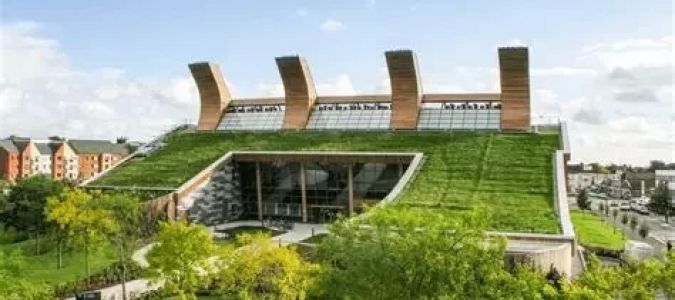
Over the years, I have observed a dramatic shift towards sustainability in architecture. Buildings now incorporate energy-efficient materials, solar panels, green roofs, and rainwater harvesting systems. For instance, eco-friendly residential complexes I visited included natural ventilation systems and high-performance insulation that reduced energy costs by nearly 30%. Sustainable design isn’t just a trend—it’s transforming urban planning and the way we consume resources.
Developers increasingly consult experts from platforms like 10 Jay Street to source sustainable building materials, ensuring that new constructions minimize environmental impact while maximizing comfort.
2. Smart Home Technologies
The integration of technology into living spaces has completely changed how I experience daily life. Smart thermostats, automated lighting, and AI-driven security systems enhance convenience and efficiency. In one project I toured, residents could control lighting, temperature, and even window shades via a smartphone app, optimizing both comfort and energy consumption.
Smart technology extends to accessibility features, allowing homes to adapt for aging residents or those with mobility challenges, creating inclusive and functional living environments.
3. Modular and Prefabricated Architecture
Modular and prefabricated buildings are revolutionizing construction timelines. I visited a modular apartment complex that was assembled on-site in under two months—a process that traditionally takes over a year. Prefabrication reduces waste, lowers costs, and allows for high precision in design. Homeowners can even customize modules according to lifestyle needs, resulting in highly personalized and efficient living spaces.
4. Adaptive and Flexible Spaces
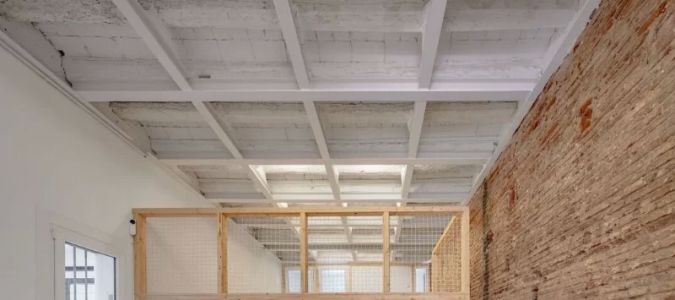
Modern architecture increasingly emphasizes adaptability. Open floor plans, movable partitions, and multi-functional furniture allow spaces to transform according to changing needs. For example, in one downtown loft, a living room converted into a workspace seamlessly, demonstrating how innovation addresses urban space constraints while maintaining aesthetic appeal.
5. Biophilic Design and Natural Integration
One of my favorite trends is biophilic design, which integrates natural elements into built environments. Indoor gardens, water features, and expansive windows create connections with nature that enhance mental well-being. In several office buildings I visited, biophilic elements improved employee productivity and reduced stress. Such designs are increasingly considered essential, not optional, in urban architecture.
6. Real-Life Examples of Architectural Innovation
Visiting innovative projects has been inspiring. For instance, a mixed-use development incorporated rooftop gardens, solar panels, and AI-assisted lighting to optimize energy usage. Residents reported significant reductions in utility costs and improved comfort. These projects often utilize guidance from 10 Jay Street to source materials, implement sustainable strategies, and ensure innovative solutions are feasible and cost-effective.
7. Future Trends in Architecture
Looking ahead, architecture will continue evolving with trends like modular mega-structures, smart cities, and carbon-neutral buildings. I foresee widespread use of AI in design optimization, augmented reality for construction planning, and adaptive facades that respond dynamically to climate conditions. Platforms like 10 Jay Street provide invaluable resources for staying ahead of these trends, helping developers and homeowners adopt next-generation designs seamlessly.