

Top 10 Trends in Commercial Architecture for 2026
The world of commercial architecture is constantly evolving, and as we approach 2026, several exciting trends are beginning to shape the future of building design. In my experience, these trends are not just about aesthetics—they are about how architecture can address pressing challenges like sustainability, technology integration, and human-centered design. Over the years, I’ve watched as architects and builders have adapted to new demands, and the next few years promise to bring even more innovation and transformation to the commercial sector. In this article, I’ll explore the top 10 trends in commercial architecture for 2026 that are set to redefine the way we design and build spaces.
1. Sustainability and Green Architecture
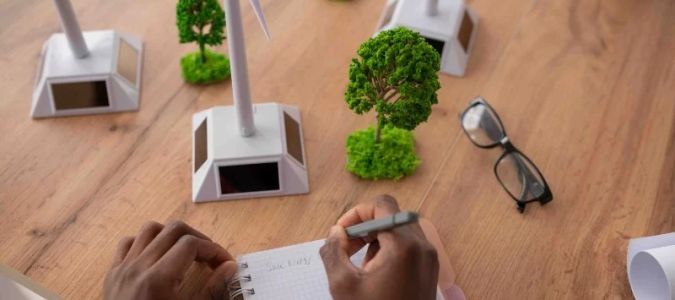
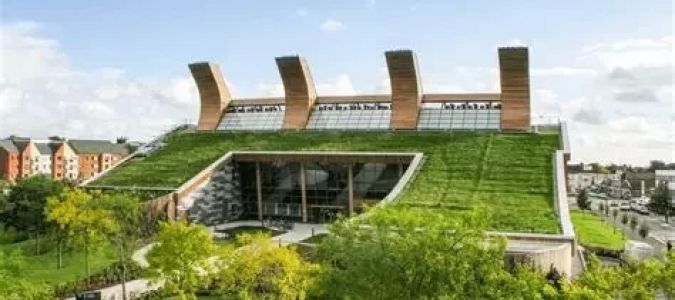
One of the most important shifts I’ve noticed in commercial architecture over the past few years is the growing emphasis on sustainability. By 2026, this trend will only continue to accelerate, with more buildings incorporating sustainable materials, energy-efficient designs, and green roofs. The integration of nature into architecture has become a priority, with architects opting for materials that are both eco-friendly and sustainable. For example, the use of recycled materials, renewable energy sources, and water-saving technologies will continue to be staples in commercial building designs.
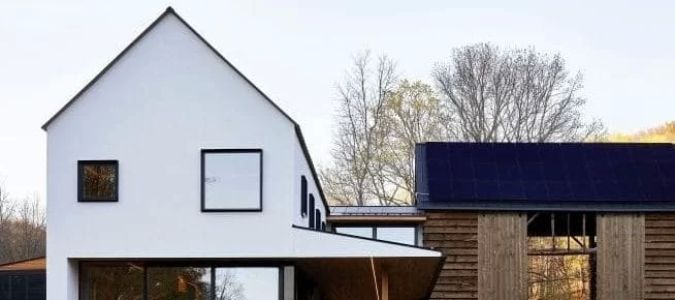
Architectural firms are embracing “green” certifications like LEED (Leadership in Energy and Environmental Design) to ensure their buildings meet stringent sustainability standards. As someone who’s seen the impact of green buildings firsthand, I’m particularly excited about innovations in energy-efficient HVAC systems and the growing use of solar panels in commercial spaces. These changes aren’t just beneficial for the environment—they also help businesses reduce long-term operating costs.
2. Biophilic Design and Wellness
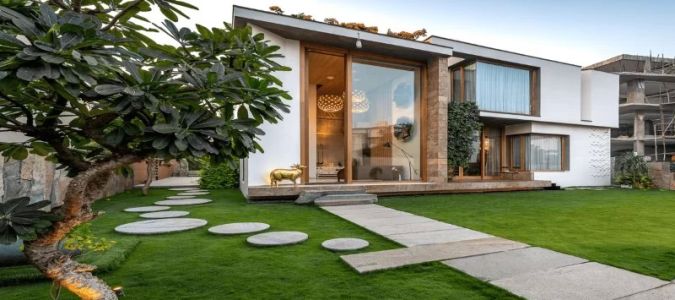
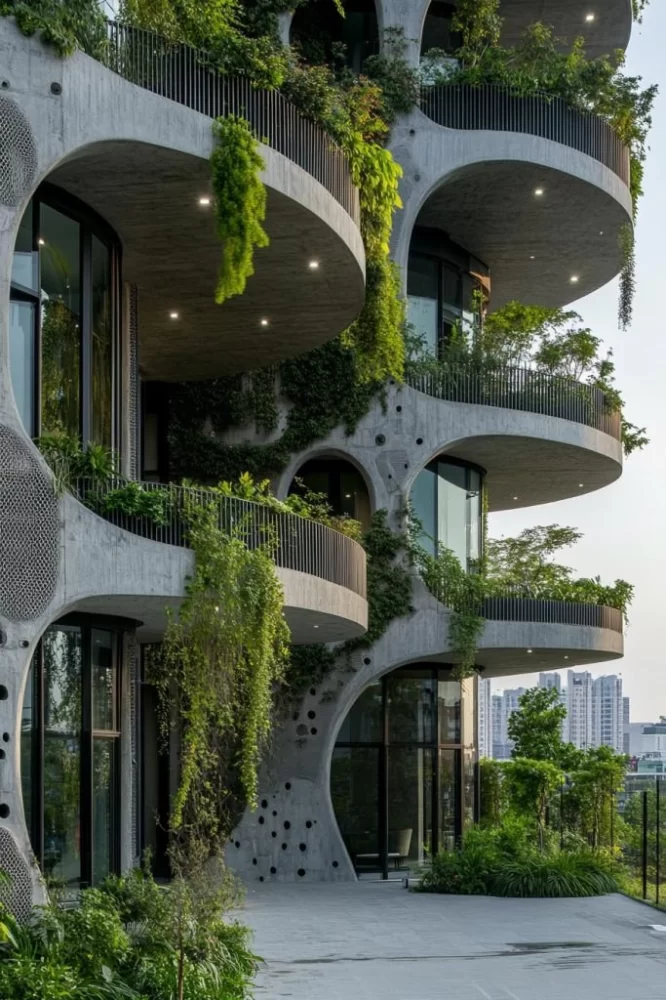
Biophilic design, which incorporates elements of nature into built environments, is another trend I’m excited about. By 2026, biophilic design will become an even bigger part of commercial architecture, as the benefits of connecting with nature become more widely understood. This approach emphasizes the use of natural light, indoor plants, and natural materials to enhance the well-being of occupants. For example, many modern office buildings are now designed with large windows, natural ventilation, and green spaces to improve air quality and productivity.
As we continue to recognize the importance of mental health and wellness, especially in the workplace, biophilic design plays a crucial role in creating healthier, more productive environments. I’ve visited several office spaces that have incorporated biophilic elements, and the difference in atmosphere is truly noticeable. These designs not only look great but also create spaces where employees feel relaxed, inspired, and more connected to their surroundings.
3. Technology Integration and Smart Buildings
Technology is transforming every aspect of commercial architecture, and by 2026, we can expect even more advanced technology integrated into building designs. Smart buildings, equipped with sensors and automation systems, will become the norm rather than the exception. These buildings can adjust lighting, heating, and ventilation based on occupancy, weather, and energy use, which helps optimize comfort while reducing energy waste.
I’ve personally witnessed how technology has improved energy efficiency in commercial spaces, and with the rise of AI and IoT (Internet of Things), this trend is only going to grow. For example, smart lighting systems can automatically adjust the brightness based on the time of day or the number of people in a room. These systems aren’t just about convenience—they also reduce the environmental footprint of buildings.
4. Adaptive Reuse and Historic Preservation
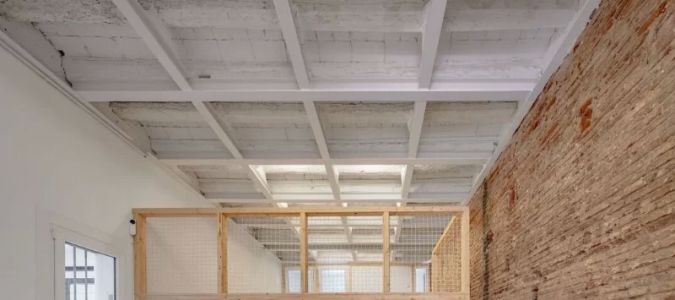
Another significant trend I’ve observed is the focus on adaptive reuse and historic preservation. As cities become more crowded and land becomes scarcer, architects are turning to repurposing existing buildings rather than constructing new ones from the ground up. This approach not only preserves the cultural heritage of a place but also reduces the environmental impact associated with new construction.
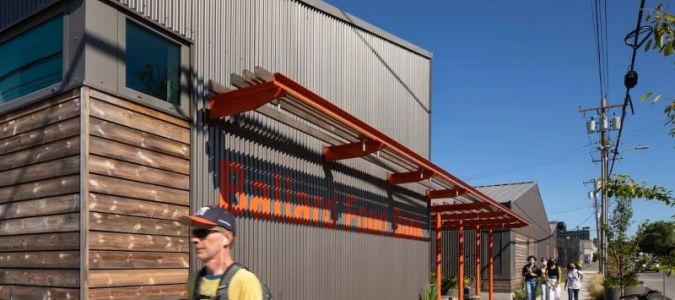
Many cities are now adopting policies that encourage the reuse of old buildings for modern purposes. For instance, old factories and warehouses are being converted into office spaces, apartments, and retail stores. I’ve personally seen some of the most beautiful transformations, where historic elements are preserved while adding modern amenities and functionality. This trend is a win-win for both sustainability and urban renewal.
5. Modular and Prefabricated Construction
Modular and prefabricated construction methods are gaining popularity in commercial architecture. These building methods involve constructing sections of a building in a factory setting, which are then transported to the site for assembly. This process reduces construction time, minimizes waste, and often leads to more cost-effective building solutions.
Having seen several modular office buildings in action, I’m particularly excited by how these designs offer flexibility. For example, modular offices can be easily expanded or reconfigured as the needs of a business change. This adaptability makes modular construction an ideal solution for businesses looking for long-term, scalable spaces.
6. Energy Efficiency and Carbon-Neutral Buildings
With the growing need to combat climate change, carbon-neutral and energy-efficient buildings will be a major focus in commercial architecture by 2026. Architects are designing buildings that produce as much energy as they consume, using renewable sources like solar and wind power. I’ve been impressed by how buildings are now being designed with insulation, windows, and HVAC systems that minimize energy loss, creating more efficient spaces that reduce a building's carbon footprint.
These buildings go beyond simple energy efficiency; they are designed to have a net-zero energy impact. Carbon-neutral buildings are becoming a reality, and I believe this trend will accelerate as more businesses aim to meet sustainability goals. It’s inspiring to see how commercial architecture can lead the charge in reducing the carbon impact of the built environment.
7. Flexible Workspaces and Collaboration Areas
As remote work continues to be a significant part of the modern workforce, the need for flexible workspaces is increasing. In my experience, many companies are now designing office spaces that can adapt to the changing needs of employees, with areas dedicated to collaboration, relaxation, and private work. These spaces allow businesses to be more agile, catering to employees who prefer working in different settings throughout the day.
The rise of flexible workspaces also reflects a shift in how we view the workplace. No longer is the office a static environment with rigid boundaries. Instead, companies are opting for modular workspaces, movable partitions, and multifunctional areas that can be easily rearranged to suit different activities. I think this shift is not only improving productivity but also employee satisfaction.
8. Inclusive Design and Accessibility
As awareness of inclusivity and accessibility grows, so does the importance of designing spaces that are accessible to everyone. Commercial buildings in 2026 will focus even more on inclusive design, ensuring that all individuals, regardless of their physical abilities, can comfortably navigate public spaces. I’ve seen several new commercial buildings incorporating features like ramps, elevators, and braille signage, which make spaces more accessible for people with disabilities.
How 10 Jay Street is Shaping the Future of Commercial Architecture
If you're looking for cutting-edge, sustainable commercial spaces, 10 Jay Street is leading the way. Their focus on innovation, sustainability, and flexibility makes them a great example of how architecture is adapting to the demands of the future. Whether you’re interested in energy-efficient buildings, adaptive reuse, or modular construction, 10 Jay Street offers a variety of services that can help you create a space that’s both functional and future-proof. Their expertise in designing for the evolving needs of modern businesses ensures that you’ll have a building that supports growth, sustainability, and innovation for years to come.