

Top Architectural Firms for Designing Energy-Efficient Hotels and Resorts
In today’s environmentally conscious world, the demand for energy-efficient hotels and resorts is growing rapidly. As more travelers seek eco-friendly accommodations, it is essential for hotel and resort owners to invest in designs that prioritize sustainability, energy efficiency, and minimal environmental impact. This is where the expertise of top architectural firms comes into play. These firms specialize in creating energy-efficient buildings that are not only sustainable but also functional and luxurious.
Designing an energy-efficient hotel or resort requires a deep understanding of both architectural design and the latest green technologies. From smart building systems to sustainable materials, architects are now tasked with creating buildings that reduce energy consumption while providing comfort and style for guests. In this article, we will explore the top architectural firms known for their work in energy-efficient hotel and resort design, and what makes them stand out in this growing field of sustainable architecture.
1. What Makes an Architectural Firm “Top” in Designing Energy-Efficient Hotels?
When searching for the best architectural firms to design energy-efficient hotels and resorts, it’s essential to look at certain key factors that define their expertise. A top firm doesn’t just have a track record of successful projects; they also bring innovative solutions to the table, integrating cutting-edge green technologies and sustainable design practices.
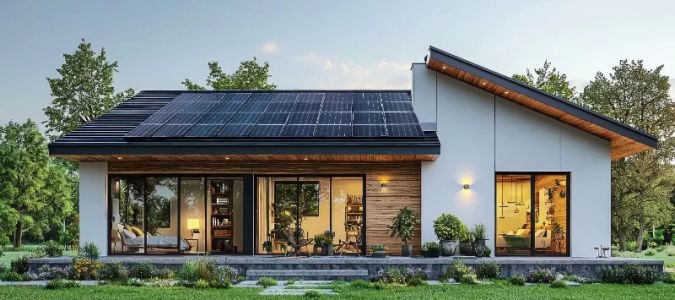
These firms employ energy-saving systems like solar panels, geothermal heating, and advanced HVAC systems to maximize energy efficiency. Additionally, they utilize sustainable building materials such as reclaimed wood, low-carbon concrete, and recycled glass to reduce environmental impact. The ability to design spaces that not only meet the functional needs of a resort but also enhance the guest experience while being eco-friendly is what sets the top firms apart.
2. Key Sustainable Design Practices Used by Leading Architects
Leading architectural firms for energy-efficient hotels and resorts employ a variety of sustainable design practices to reduce energy consumption and minimize the environmental impact of their buildings. One popular practice is the use of passive design techniques. This includes designing the building’s orientation to maximize natural sunlight, improving insulation to reduce heating and cooling needs, and using natural ventilation to reduce the need for air conditioning.
Another significant trend is the integration of renewable energy sources into the design. Solar panels, wind turbines, and geothermal energy systems are becoming standard in many new hotel and resort projects. These technologies help reduce reliance on fossil fuels and lower the building’s carbon footprint. Furthermore, the installation of energy-efficient appliances, LED lighting, and smart building systems ensures that the hotel operates efficiently long after the design phase.
3. Top Architectural Firms for Energy-Efficient Hotel and Resort Design
Several architectural firms are known for their innovative work in designing sustainable and energy-efficient hotels and resorts. Let’s take a look at some of the most prominent names in the industry:
- Foster + Partners: Known for their iconic designs, Foster + Partners is a leader in sustainable architecture. Their work includes a variety of energy-efficient resorts and hotels, including the sustainable design for the Abu Dhabi campus of the NYU, which incorporates renewable energy solutions.
- Zaha Hadid Architects: Zaha Hadid Architects has created stunning, futuristic buildings that prioritize energy efficiency and sustainability. Their design for the Hotel in Dubai is a prime example of integrating cutting-edge green technologies into a luxurious, high-performance structure.
- Gensler: With a reputation for sustainable urban design, Gensler has worked on a range of projects that focus on energy efficiency. Their design for the W Hotel in Dallas is a perfect example of how eco-friendly practices can be seamlessly integrated into luxury hospitality.
- Norman Foster Foundation: Known for its commitment to environmental stewardship, this firm’s designs include energy-efficient hotels that emphasize renewable energy, natural ventilation, and climate-responsive architecture.
4. Innovative Technologies in Energy-Efficient Hotel Design
In addition to the sustainable materials and passive design strategies mentioned earlier, top architectural firms are utilizing advanced technologies to make hotels and resorts more energy-efficient. Smart building technologies, such as advanced lighting controls, occupancy sensors, and intelligent climate control systems, are essential to reducing energy consumption and improving the guest experience.
Another innovation is the use of green roofs and living walls, which not only provide insulation but also contribute to the building’s aesthetic appeal. These elements help regulate temperature, reduce energy usage, and support biodiversity. Many leading firms are also designing buildings to capture and reuse rainwater, which is a critical strategy in managing resources sustainably in hotels and resorts.
5. Case Study: Energy-Efficient Resorts That Lead the Way
Let’s take a look at a few real-world examples of energy-efficient hotels and resorts that have incorporated innovative design strategies:
- The Brando Resort, French Polynesia: This luxury resort is designed with sustainability at its core. The resort runs entirely on renewable energy, utilizing solar panels and a seawater air-conditioning system to reduce energy consumption.
- Six Senses Zighy Bay, Oman: This eco-friendly resort incorporates sustainable design practices, including the use of locally sourced materials, energy-efficient building techniques, and a comprehensive waste management system.
- Post Ranch Inn, California: Located on the cliffs of Big Sur, this resort embraces energy-efficient design through the use of green roofs, natural insulation, and geothermal heating systems to minimize environmental impact.
6. Conclusion: Choosing the Right Architects for Your Energy-Efficient Hotel
When designing an energy-efficient hotel or resort, it is essential to partner with architects who not only have a strong understanding of sustainable design but also possess the creative vision to integrate these technologies seamlessly into the aesthetic of the building. By selecting top architectural firms with a proven track record in energy-efficient design, you can ensure that your project will be both sustainable and high-performance.
If you're planning a new hotel or resort and want to explore the latest in sustainable design, consider consulting with one of these top firms. Their expertise in designing energy-efficient hotels and resorts will help you create a building that reduces environmental impact, cuts operational costs, and attracts eco-conscious travelers.
Want to learn more about sustainable architecture for hotels and resorts? Visit 10 Jay Street for expert architectural services and consultation on creating your energy-efficient building.