

Why Every Building Should Have a Sustainable Design Plan
In today’s world, the conversation around sustainability is more important than ever. As we continue to face challenges related to climate change, resource depletion, and environmental degradation, the role of architecture and construction has never been so crucial. One significant step toward mitigating these challenges is the implementation of a sustainable design plan for every building. Sustainable building design is not just about creating energy-efficient structures; it’s about incorporating strategies that benefit the environment, economy, and society. But what exactly does sustainable design mean, and why should every building prioritize it?
Understanding Sustainable Design
Sustainable design refers to the practice of creating buildings that minimize negative impacts on the environment while maximizing the well-being of their occupants. This approach considers various factors such as energy efficiency, water usage, material sourcing, indoor air quality, and the building’s overall environmental footprint. A sustainable design plan doesn’t just focus on one aspect but takes a holistic approach, aiming to optimize the use of resources while minimizing waste.
1. Energy Efficiency
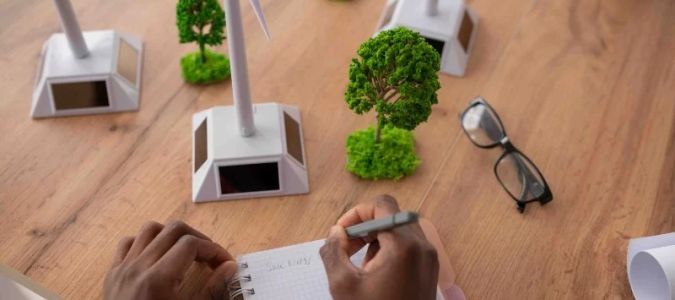
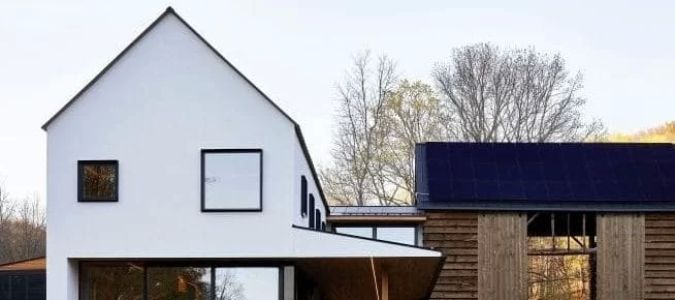
Energy efficiency is one of the cornerstones of sustainable design. Buildings consume a significant amount of energy, from heating and cooling to powering electronics and appliances. A well-designed, energy-efficient building reduces energy consumption, leading to lower utility bills for homeowners and businesses alike. Using renewable energy sources such as solar panels or wind turbines can further reduce a building’s reliance on fossil fuels, promoting a cleaner, greener environment.
2. Water Conservation
Water conservation is another key component of sustainable building design. With water scarcity becoming an increasing global concern, it’s essential to design buildings that use water efficiently. This can be achieved through the installation of low-flow fixtures, water recycling systems, and rainwater harvesting systems. These measures not only help conserve precious water resources but also lower water bills, making the building more cost-effective in the long run.
Economic and Environmental Benefits
While sustainable design is often associated with initial higher costs, it provides significant long-term economic and environmental benefits. The upfront investment in energy-efficient systems, renewable energy sources, and sustainable materials can pay off in the form of lower utility bills, fewer maintenance costs, and increased property value. Additionally, buildings that are designed with sustainability in mind are more likely to qualify for government incentives, rebates, or tax credits.
1. Reduced Operating Costs
Buildings that incorporate sustainable features, such as high-quality insulation, energy-efficient windows, and smart HVAC systems, typically experience lower operating costs. These savings can make a building more financially viable over time, especially for businesses that rely on maintaining a budget. With growing interest in green buildings, tenants are often willing to pay a premium for office or residential space that offers lower utility bills and a smaller environmental footprint.
2. Positive Environmental Impact
Beyond the financial benefits, the environmental advantages of sustainable design cannot be overstated. Buildings are responsible for a significant portion of global carbon emissions, with energy consumption and resource use being the primary contributors. By reducing energy use, minimizing waste, and selecting eco-friendly materials, sustainable design helps mitigate climate change, conserve natural resources, and protect ecosystems.
Real-World Examples of Sustainable Design
To understand the practical application of sustainable design, let’s look at a few notable examples of buildings that have successfully incorporated green building practices.
1. The Edge in Amsterdam
The Edge, an office building in Amsterdam, is often cited as one of the greenest buildings in the world. Designed with sustainability in mind, it features solar panels, rainwater harvesting systems, and energy-efficient heating and cooling systems. The building also utilizes a smart lighting system that adjusts based on the amount of natural light entering the space. The result is a highly efficient building that not only conserves energy but also improves the quality of life for its occupants.
2. 10 Jay Street in Brooklyn
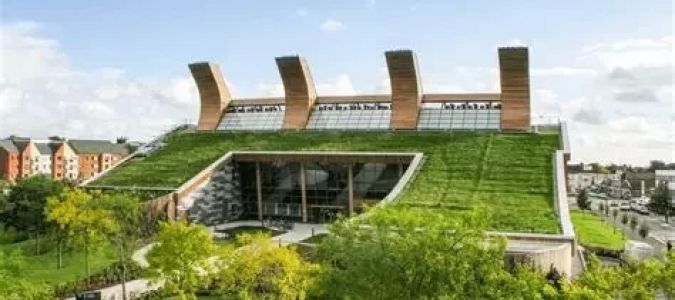
Another great example is 10 Jay Street, a mixed-use development in Brooklyn, New York, that has incorporated sustainable design elements like energy-efficient systems, water-saving fixtures, and green roofs. By prioritizing sustainability, 10 Jay Street offers tenants a modern, eco-friendly environment while reducing its impact on the surrounding community. This building is an excellent example of how green design can be seamlessly integrated into urban settings.
Why Sustainable Design is Essential for Every Building
As we move forward, sustainable design should not be seen as an optional luxury, but rather as a necessity for every new building, whether residential, commercial, or industrial. Given the ongoing environmental challenges we face, sustainable design provides an effective solution for reducing a building’s carbon footprint, lowering operating costs, and improving occupant health and well-being.
1. Meeting the Challenges of the Future
The world is facing a growing demand for resources and energy, and we must build in a way that respects these limits. Sustainable buildings help mitigate the depletion of natural resources, and they contribute to a cleaner, more resilient environment. As climate change continues to pose a threat, cities and countries will likely adopt stricter building codes and regulations aimed at promoting sustainability. By prioritizing sustainable design now, we can be better prepared for the challenges of tomorrow.
2. Supporting the Green Building Movement
By incorporating sustainable design into every building, we can support the green building movement, which is transforming the architecture and construction industries. This shift is already underway, and buildings with sustainable designs are becoming increasingly popular among developers, tenants, and homeowners who value eco-friendly living. As a result, sustainable design is no longer a trend but a crucial part of the future of construction.
Conclusion
Incorporating sustainable design into every building is essential for creating a more environmentally responsible and economically viable future. The benefits are clear: lower operating costs, reduced environmental impact, and enhanced occupant well-being. Whether you’re designing a new building or renovating an existing one, prioritizing sustainability is an investment that will pay dividends for years to come. If you’re interested in exploring sustainable design options for your next project, consider visiting 10 Jay Street for innovative and eco-friendly building solutions.