

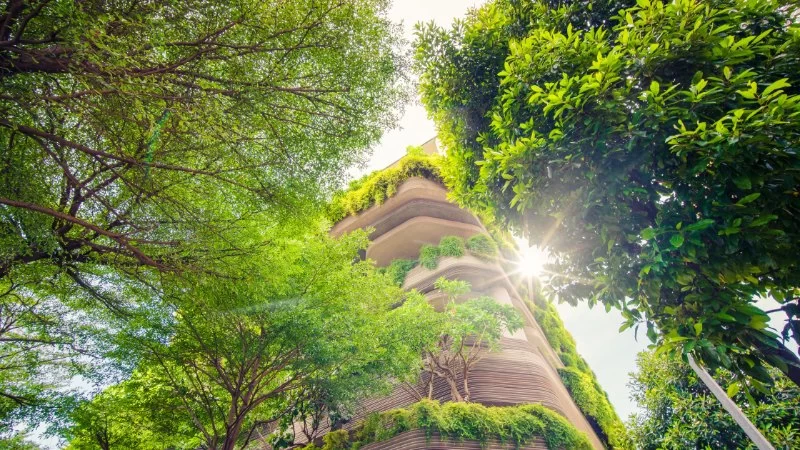
Why Architects Are Embracing Sustainable Design Practices: Trends and Benefits for 2025

Why Architects Are Embracing Sustainable Design Practices: Trends and Benefits for 2025

Explore why architects are embracing sustainable design practices. Discover the key trends, benefits, and innovations in green architecture that are shaping the future of building design in 2025.

  1. 10 Jay Street
  2. >
  3. Blog
Why Architects Are Embracing Sustainable Design Practices: Trends and Benefits for 2025

Introduction to Sustainable Design Practices

Sustainable design refers to designing buildings that are environmentally responsible, resource-efficient, and conducive to the well-being of the people who use them. As the world becomes more conscious of environmental impact, architects are increasingly embracing these sustainable design practices. These practices focus on reducing energy consumption, minimizing waste, and using renewable resources, all of which play a vital role in mitigating climate change and promoting a healthier built environment.

Why Architects Are Embracing Sustainability

The shift toward sustainable design has been driven by a combination of factors, including environmental concerns, regulatory requirements, and evolving client expectations. Architects are recognizing that sustainable design is not just a trend but a necessity for the future of architecture. As public awareness of environmental issues grows, clients are increasingly demanding buildings that contribute positively to the planet’s health.

Moreover, sustainability is seen as an opportunity to innovate, enhance building performance, and reduce long-term operational costs. With the rise of green certifications like LEED (Leadership in Energy and Environmental Design), architects are motivated to integrate sustainable practices into their projects, knowing it will result in energy savings, increased property values, and overall client satisfaction.

Benefits of Sustainable Design for Architects and Clients

Sustainable design offers numerous benefits for both architects and clients:

  • Environmental Impact: Sustainable buildings reduce the carbon footprint and conserve natural resources, which is vital in the fight against climate change.
  • Cost Efficiency: By incorporating energy-efficient systems, architects can help clients save on long-term operating costs, making the building more cost-effective over its lifespan.
  • Health and Well-being: Sustainable buildings often focus on creating healthy indoor environments, improving air quality, and providing access to natural light, which can boost the well-being of the occupants.
  • Increased Market Value: Green buildings with sustainable features are often seen as more valuable and can attract higher rental or resale prices due to their long-term efficiency and eco-friendly appeal.

As sustainability continues to gain momentum in architecture, several key trends are shaping the industry:

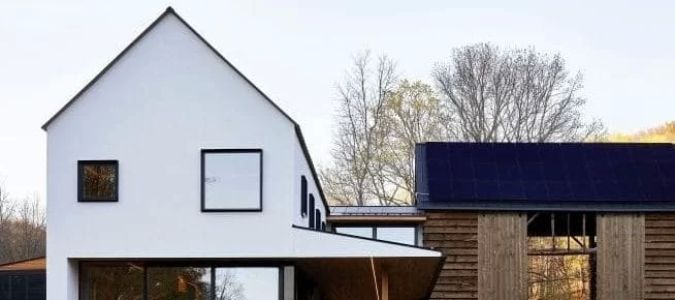
  • Energy Efficiency: One of the most important trends in sustainable design is energy efficiency. Architects are incorporating passive design strategies, energy-efficient HVAC systems, and renewable energy sources like solar panels and wind turbines to reduce energy consumption.
  • Smart Building Technologies: The integration of smart technologies, such as energy monitoring systems and automated climate control, allows for better management of resources and helps buildings run more efficiently.
  • Water Conservation: Sustainable buildings are also focusing on water conservation through rainwater harvesting systems, low-flow fixtures, and efficient landscaping designs that minimize water waste.
  • Material Innovation: Sustainable architects are opting for renewable and recycled materials, reducing the environmental impact of their projects. Materials like bamboo, recycled steel, and reclaimed wood are gaining popularity due to their low environmental footprint.

Real-World Examples of Sustainable Design

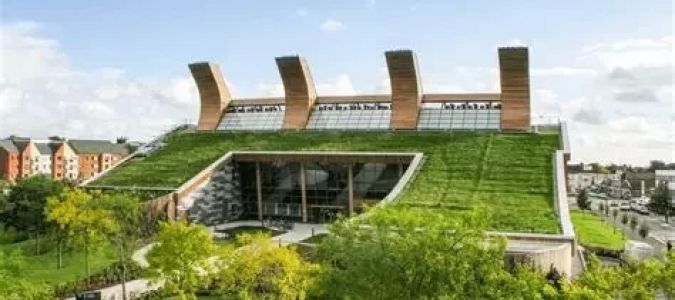
Real-world examples of sustainable design practices demonstrate the positive impact they can have on both the environment and the built environment. For instance, the Bullitt Center in Seattle is one of the greenest commercial buildings in the world, featuring energy-efficient systems, rainwater harvesting, and solar panels that generate more energy than the building consumes. Another example is the Bosco Verticale (Vertical Forest) in Milan, a pair of residential towers covered in trees and plants that provide natural insulation, improve air quality, and reduce the urban heat island effect.

These projects are not only showcases of architectural innovation but also proof that sustainable design can be both aesthetically appealing and environmentally responsible.


More

The Significance of Landscape Architecture in Modern Design: Enhancing Spaces and Communities

The Significance of Landscape Architecture in Modern Design: Enhancing Spaces and Communities

Learn how landscape architecture plays a crucial role in modern design. Explore how outdoor spaces, urban planning, and green areas are shaped to improve communities and the environment. Understand its impact on sustainable design and urban living.

Apr 16, 2026
How Architecture Can Make a City More Livable: Enhancing Urban Life Through Design

How Architecture Can Make a City More Livable: Enhancing Urban Life Through Design

Explore how architecture can enhance urban livability. Learn how thoughtful design and planning can make cities more sustainable, accessible, and enjoyable for residents and visitors alike.

Apr 15, 2026
The Evolution of Architecture: From Traditional to Modern

The Evolution of Architecture: From Traditional to Modern

Explore the evolution of architecture from traditional to modern styles. Learn about the key changes in architectural design and how they reflect societal shifts. Understanding Traditional Architecture The Impact of the Industrial Revolution on Architecture Emergence of Modern Architecture Architectural Styles in the 20th Century Current Trends in ArchitectureUnderstanding Traditional ArchitectureWhen I began studying architecture, I was fascinated by how buildings from different time periods reflected the cultures and societies that created them. Traditional architecture was deeply connected to the environment, the available materials, and the needs of the people. Early structures, particularly those built in ancient times, were designed for function and practicality, utilizing materials such as stone, wood, and mud.For example, I remember my visit to the ancient Greek Parthenon, where the simplicity of design was a testament to its purpose as both a place of worship and a symbol of the ideals of democracy. Traditional architecture was typically influenced by regional climate conditions, available resources, and the cultural beliefs of the time. In places like Japan, traditional wooden homes with sliding doors were designed to blend seamlessly with nature, allowing for easy ventilation and adapting to the changing seasons.The Impact of the Industrial Revolution on ArchitectureThe Industrial Revolution in the 18th and 19th centuries had a profound effect on architecture. The development of new technologies such as steel, iron, and glass enabled architects to experiment with new forms and structures. I’ve always found it fascinating how the construction of factories and mills led to the invention of large, open-plan buildings with steel frames and glass windows, which became the hallmark of industrial architecture.This shift from traditional materials like stone and wood to metal and glass dramatically changed the skyline of cities. For instance, the construction of the Crystal Palace in London in 1851 is one of the first examples of modern architecture that utilized glass and iron, which allowed for a large open space that was both functional and aesthetically pleasing. This type of architecture paved the way for skyscrapers and high-rise buildings, which became iconic features of modern cities. The use of steel frames in buildings like the Eiffel Tower in Paris further changed how architects viewed structural integrity and design possibilities.Emergence of Modern ArchitectureBy the early 20th century, the emergence of modern architecture marked a significant departure from traditional forms. Architects like Le Corbusier and Frank Lloyd Wright introduced minimalist designs, focusing on clean lines, open spaces, and functional forms. The early modernist movement was characterized by a rejection of ornamentation, which was a staple in traditional architecture, in favor of functional simplicity.One of the most significant movements in modern architecture was the International Style, which focused on functionality and the use of modern materials. Buildings constructed in this style often featured flat roofs, glass facades, and open floor plans. I recall visiting the Villa Savoye by Le Corbusier, where the building’s sleek, white exterior and open spaces showcased the principles of modern design. Modern architecture’s emphasis on the form follows function principle had a lasting impact on urban design and residential housing, reshaping skylines and the built environment worldwide.Architectural Styles in the 20th CenturyThe 20th century saw a series of architectural movements that reflected both technological advancements and changing cultural values. From Art Deco to Brutalism, the century introduced a wide range of styles that influenced both public and private buildings. I’ve always been intrigued by how each architectural style reflects the era in which it was created. For example, Art Deco buildings like the Chrysler Building in New York City feature geometric shapes, bold colors, and luxurious materials, which symbolize the optimism and prosperity of the 1920s.Another influential style of the 20th century was Brutalism, which emerged in the post-World War II era. Known for its use of raw concrete and imposing structures, Brutalism was an attempt to create functional, affordable housing and public buildings in the aftermath of the war. I visited the Barbican Centre in London, a famous Brutalist building, and it was hard not to notice the stark, fortress-like appearance of the structure, which evoked a sense of both strength and utilitarianism.Current Trends in ArchitectureToday, architecture continues to evolve, incorporating new materials and technologies while embracing sustainability and environmental consciousness. In recent years, there has been a growing emphasis on green building practices, which aim to reduce the environmental impact of construction. Architects are now focusing on energy-efficient designs, sustainable materials, and smart technologies that improve the functionality and comfort of buildings.One trend I’ve found particularly fascinating is the rise of biophilic design, which integrates natural elements into the built environment to improve the well-being of its inhabitants. This trend has gained popularity in modern office spaces and homes alike, where natural light, plants, and organic shapes are used to create healthier, more connected spaces. I’ve worked on a few projects where biophilic design principles were applied, and I’ve seen firsthand how these elements can transform the overall experience of a building.Another significant trend is the use of 3D printing technology, which is allowing architects to create complex, customized designs more efficiently. With 3D printing, architects can now construct buildings with intricate forms that were previously impossible or too costly to achieve with traditional construction methods. This cutting-edge technology has the potential to revolutionize the way we think about architecture, enabling more innovative and sustainable designs.As we move into the future, I believe that the evolution of architecture will continue to be shaped by technological advancements, environmental challenges, and a desire to create spaces that reflect the values of the communities they serve. Whether it’s through sustainable design, smart buildings, or a return to more human-centered architecture, the future of architecture is exciting and full of possibilities.If you’re interested in exploring the latest architectural trends or need help with your own design projects, be sure to check out 10 Jay Street for expert advice and services tailored to your architectural journey.

Apr 14, 2026
The Role of Architects in the Design of Public Transportation Systems

The Role of Architects in the Design of Public Transportation Systems

Learn about the critical role architects play in designing public transportation systems. Discover how architectural design influences the functionality and aesthetics of transit hubs and infrastructure. The Importance of Architects in Public Transportation Design Key Functions of Architects in Transportation Systems Design Principles for Public Transportation Systems Case Studies: Successful Transportation System Designs The Future of Public Transportation ArchitectureThe Importance of Architects in Public Transportation DesignPublic transportation systems are the lifeblood of urban mobility. As cities grow, the demand for efficient, sustainable, and aesthetically pleasing transit systems becomes more critical. Architects play an essential role in the design and development of these systems, shaping not only the functionality but also the experience of passengers. They are responsible for designing transit hubs, stations, bus terminals, and rail systems that balance practicality with visual appeal, ensuring that transportation infrastructure serves both users and the surrounding environment.From creating open, accessible spaces to incorporating sustainable design principles, architects bring a unique perspective that combines art and science in public transportation projects. They work closely with engineers, urban planners, and local governments to create solutions that meet the needs of the public while also supporting long-term growth and sustainability. Their work impacts how people interact with their cities and how they move within them, making their role in public transportation design indispensable.Key Functions of Architects in Transportation SystemsArchitects have a multifaceted role in the design of public transportation systems. Below are some of the primary responsibilities they take on when working on these large-scale projects:1. Designing User-Centered SpacesOne of the key roles of architects is to design spaces that prioritize the needs of the users. This means creating accessible, comfortable, and efficient environments for people to navigate, wait, and board. For example, transit stations and bus terminals need to have clear signage, wide walkways, and seating areas that accommodate a variety of passengers, from the elderly to those with disabilities. An architect must anticipate how people will move through these spaces and ensure that the design facilitates a smooth flow of foot traffic while reducing congestion.2. Sustainability in DesignSustainability is a key focus for modern architects, and it’s particularly important when designing public transportation systems. These systems are integral to reducing traffic congestion and lowering carbon emissions in urban areas. Architects use sustainable design practices to ensure that transportation infrastructure is energy-efficient, uses renewable materials, and reduces the environmental footprint of transportation systems. For example, incorporating solar panels, green roofs, and energy-efficient lighting into transit hubs helps make the entire system more eco-friendly and cost-effective in the long term.3. Aesthetic Integration with Urban LandscapeArchitects also focus on how the design of transportation systems integrates with the surrounding urban landscape. A well-designed transit station or bus terminal should complement the architecture of the area, creating a sense of harmony between infrastructure and the environment. This might involve using local materials, aligning the design with the character of the neighborhood, or adding artistic elements that reflect the cultural identity of the city. The design of public transportation spaces is as much about enhancing the public realm as it is about functionality.4. Ensuring Safety and SecuritySafety and security are essential components of any public transportation system. Architects design spaces that are not only physically secure but also give passengers a sense of safety while waiting or traveling. Features like well-lit areas, security cameras, and emergency exits are integrated into the design to provide peace of mind. The layout of the station or terminal is designed with clear sightlines and easy access to emergency exits, which ensures that the space is safe for all users, even in emergencies.Design Principles for Public Transportation SystemsThe design of public transportation systems is guided by several key principles that architects must consider in order to create spaces that are functional, efficient, and comfortable. Some of the most important principles include:1. AccessibilityPublic transportation systems must be accessible to everyone, including people with disabilities. Architects must ensure that stations, bus stops, and rail terminals are designed with universal access in mind. This includes features like ramps, elevators, and tactile paving for visually impaired individuals, as well as accessible bathrooms and seating. Creating an inclusive environment helps ensure that all passengers can easily navigate the system.2. EfficiencyEfficiency in design is crucial for minimizing waiting times and improving the flow of passengers. Architects work closely with engineers and planners to design systems that facilitate fast boarding and deboarding, while also minimizing bottlenecks. For example, designing wide, open spaces for passengers to enter and exit trains or buses quickly can help keep the system running smoothly during rush hour.3. FlexibilityPublic transportation systems must be adaptable to changing needs. Whether it's accommodating more passengers as the population grows or adapting to new technologies like autonomous vehicles, architects must design spaces that can be easily modified in the future. This flexibility can include features like modular designs for stations or the ability to add more platforms if necessary.4. Safety and SecurityDesigning for safety is a top priority. Architects incorporate various features to protect passengers, such as surveillance systems, well-lit areas, and the strategic placement of security personnel. Additionally, architects ensure that the design of transportation spaces encourages safe behavior, such as clear signage and visible exits.Case Studies: Successful Transportation System DesignsThere are several inspiring examples of architects successfully designing public transportation systems that have become models for cities worldwide. Below are a couple of case studies where architecture played a crucial role in shaping transit systems:1. The High Line in New York CityThe High Line in Manhattan is a unique example of how architecture can transform an old infrastructure into a thriving public space. Originally an abandoned railway track, it was redesigned as an elevated park and transit space. Architects used innovative design strategies to preserve the industrial heritage of the space while integrating green spaces and pedestrian pathways. The project has become a major public transportation hub for the city, connecting neighborhoods and offering both a practical space and a cultural experience.2. The Shibuya Station in TokyoShibuya Station, one of Tokyo’s busiest transit hubs, is an excellent example of architectural design enhancing public transportation. The station was redesigned to improve passenger flow and safety while maintaining its iconic status in the city. The architects incorporated a modern aesthetic, creating large, open spaces with easy-to-navigate pathways and enhanced lighting. This redesign has helped improve efficiency while also creating a pleasant experience for passengers.The Future of Public Transportation ArchitectureThe future of transportation architecture will likely see even more innovative designs that address growing urbanization, environmental concerns, and technological advancements. Architects will continue to prioritize sustainability, integrating new green technologies like solar energy, rainwater harvesting, and sustainable materials. Additionally, the rise of autonomous vehicles and smart cities may lead to even more dynamic transportation hubs that seamlessly blend with digital infrastructure.As urban centers continue to expand, the role of architects in designing public transportation systems will become even more important. These professionals will be at the forefront of creating transportation solutions that meet the needs of future generations, ensuring that cities remain connected, efficient, and sustainable.If you're interested in learning more about innovative architecture and design, I recommend visiting 10 Jay Street, where you can explore inspiring architectural projects and find the perfect solutions for your own design needs.

Apr 14, 2026
The Rise of Minimalist Architecture: Understanding Its Impact on Modern Design

The Rise of Minimalist Architecture: Understanding Its Impact on Modern Design

Explore the rise of minimalist architecture, its core principles, and how it’s shaping modern design. Learn how minimalist architecture is influencing space, functionality, and style in today’s world. What Is Minimalist Architecture? Key Principles of Minimalist Design Benefits of Embracing Minimalism in Architecture Real-World Examples of Minimalist Architecture The Future of Minimalist ArchitectureWhat Is Minimalist Architecture?Minimalist architecture, a term we hear often in modern design, has roots that stretch back to the 20th century, but it has grown significantly in popularity over the past few decades. The concept behind minimalist design is simple: less is more. It’s about stripping away the unnecessary, focusing on functionality, and letting space and light breathe. The idea is not to clutter a space with extraneous details, but rather to let its essential qualities shine.Minimalism isn’t just about the aesthetic—it’s a philosophy that emphasizes clean lines, open spaces, and a sense of tranquility. This style focuses on creating environments that promote simplicity, order, and harmony. Architects and designers who embrace minimalism often do so to craft spaces that feel spacious, serene, and timeless. This is not only visually appealing but also creates a calming atmosphere in which people can relax and focus.Key Principles of Minimalist DesignMinimalist architecture is driven by certain design principles that aim to create functional, simple, and elegant spaces. These principles guide how spaces are designed, decorated, and utilized. Let me break down some of the key aspects that define this approach:1. Simplicity in FormOne of the defining features of minimalist architecture is its emphasis on simplicity. The form of the building or structure is stripped to its bare essentials. This means that extraneous decorations, heavy ornamentation, or overly intricate designs are avoided. The idea is to allow the architecture itself to stand out, rather than relying on additional elements to attract attention.2. Functionality and PurposeIn minimalist design, every element serves a purpose. There’s no room for superfluous details. Every material, shape, and object in the space is chosen based on its function. For instance, the use of neutral colors, natural materials like wood, and open floor plans ensure that the space is both functional and aesthetically pleasing. Each space is optimized for its intended use, whether it’s a living room, office, or bedroom.3. Natural Light and Open SpacesNatural light plays a crucial role in minimalist architecture. Large windows, skylights, and glass doors allow light to flood the space, enhancing its openness and airiness. Open spaces are emphasized, with rooms often flowing seamlessly into each other. This creates a sense of freedom and openness that is central to the minimalist lifestyle.4. Neutral Colors and Natural MaterialsMinimalist interiors often feature neutral colors—white, gray, beige, and soft tones—on the walls, floors, and ceilings. These colors create a clean backdrop, allowing natural light to reflect off surfaces and enhance the feeling of space. Additionally, the use of natural materials such as wood, stone, and metal helps to maintain the simplicity and timelessness of the design.Benefits of Embracing Minimalism in ArchitectureMinimalist architecture offers several benefits that extend beyond just aesthetics. In fact, it’s a lifestyle that promotes functionality, mental clarity, and sustainability. Let’s take a deeper look at some of the benefits of minimalist architecture:1. Enhances Mental Clarity and FocusLiving in a minimalist space can have a positive impact on mental clarity. When there’s less clutter and fewer distractions, the mind feels more relaxed and focused. This is especially important in today’s fast-paced world, where many people struggle with stress and anxiety. Minimalist spaces foster an environment that promotes peace of mind and a sense of calm.2. Maximizes SpaceMinimalist design is known for making the most out of every square foot. By eliminating unnecessary items and optimizing the layout, minimalist spaces often feel larger and more open. For people living in smaller apartments or homes, this is particularly valuable. The focus is on creating functional and efficient spaces that meet daily needs without feeling overcrowded.3. Encourages SustainabilityMinimalist architecture often promotes sustainability by focusing on quality over quantity. By choosing durable materials, reducing waste, and embracing energy-efficient designs, minimalist architecture contributes to a more sustainable way of living. For instance, large windows that let in natural light reduce the need for artificial lighting, while open floor plans reduce the need for excessive furniture.4. Timeless DesignOne of the most appealing aspects of minimalist architecture is its timeless nature. While trendy styles may come and go, minimalist design remains relevant year after year. Its clean lines and focus on simplicity ensure that minimalist spaces will never feel outdated. This makes minimalist architecture a long-term investment for homeowners and builders alike.Real-World Examples of Minimalist ArchitectureTo truly understand the impact of minimalist architecture, let’s look at some real-world examples that embody the principles of minimalism in practice. These projects demonstrate how minimalist design can be applied to different types of spaces, from residential homes to commercial buildings:1. The Glass House by Philip JohnsonThe Glass House, located in New Canaan, Connecticut, is one of the most iconic examples of minimalist architecture. Designed by architect Philip Johnson, the house is made almost entirely of glass, allowing it to blend seamlessly with its natural surroundings. The open-plan design and lack of walls emphasize the connection between the interior and the landscape, which is a hallmark of minimalist architecture.2. Tadao Ando’s Church of the LightThe Church of the Light in Osaka, Japan, designed by renowned architect Tadao Ando, is another exemplary minimalist structure. The church uses simple concrete walls, a wooden cross, and natural light to create a space that is serene and contemplative. The design focuses on spirituality and reflection, allowing the architecture itself to become an expression of peace and calm.3. The Shiro House by Kengo KumaIn Tokyo, the Shiro House designed by architect Kengo Kuma is a minimalist residential project that uses natural materials and simple forms to create a harmonious living space. The house features a blend of wood and stone, and the design prioritizes light, space, and natural textures. The interior is open and clutter-free, providing a tranquil environment for its inhabitants.The Future of Minimalist ArchitectureAs we move into the future, minimalist architecture continues to evolve. With an increasing focus on sustainability and efficient use of space, minimalist design is expected to play a significant role in shaping the built environment. Advances in technology, such as energy-efficient materials and smart home features, will enhance the functionality of minimalist designs, making them even more accessible and practical for modern living.Moreover, as cities continue to grow and urban spaces become more crowded, the demand for minimalist homes and buildings will increase. People are seeking spaces that offer peace and balance in an otherwise chaotic world, and minimalist architecture provides just that. With its focus on simplicity, sustainability, and functionality, the future of minimalist architecture is poised to have a lasting impact on design and urban living.If you’re looking for expert advice on minimalist architecture and how it can enhance your space, I recommend visiting 10 Jay Street for the most comprehensive services and recommendations tailored to your needs. Whether you’re planning a home renovation or designing a new building, their expertise in minimalist architecture can help bring your vision to life.

Apr 13, 2026
Why It’s Important to Invest in Sustainable Architecture Practices – Building a Greener Future

Why It’s Important to Invest in Sustainable Architecture Practices – Building a Greener Future

Discover the importance of investing in sustainable architecture practices. Learn how eco-friendly building design and energy-efficient construction benefit the environment and save costs.

Apr 13, 2026