

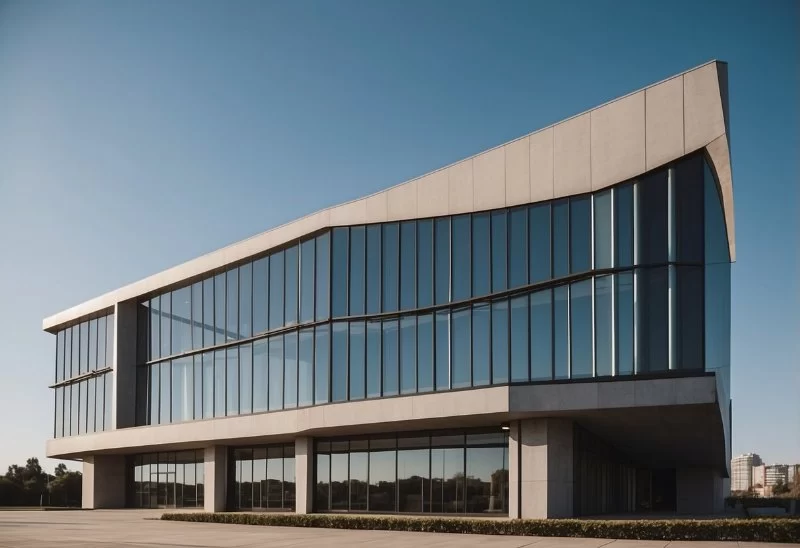
Why Architects Are Moving Towards Simplicity in Design – The Trend of Minimalist Architecture

Why Architects Are Moving Towards Simplicity in Design – The Trend of Minimalist Architecture

Discover why architects are increasingly adopting simplicity in design. Explore the rise of minimalist architecture and how simplicity is transforming modern architectural practices.

  1. 10 Jay Street
  2. >
  3. Blog
SEO Title: Why Architects Are Moving Towards Simplicity in Design – The Trend of Minimalist Architecture SEO Keywords: architects moving towards simplicity, minimalist design, simple architecture, modern architecture trends, simplicity in architectural design, why architects prefer simplicity SEO Description: Discover why architects are increasingly adopting simplicity in design. Explore the rise of minimalist architecture and how simplicity is transforming modern architectural practices.

1. Understanding the Shift Towards Simplicity in Architecture

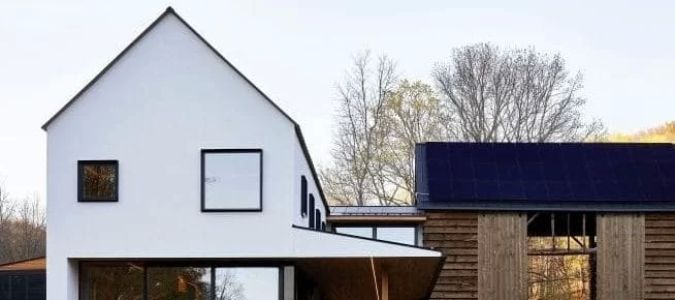
In recent years, there’s been a noticeable shift in architecture towards simplicity. As someone who’s always fascinated by the changing trends in design, I’ve watched how architects are increasingly moving away from complex, ornate styles in favor of more minimalist, streamlined designs. This shift isn’t just a fleeting trend; it’s a reflection of how modern values around functionality, sustainability, and aesthetic purity are reshaping our built environments.

Simplicity in architecture is often misunderstood as being plain or boring, but in reality, it’s about eliminating the unnecessary to reveal the true essence of a structure. This move towards simplicity stems from a growing desire to create spaces that are more aligned with contemporary lifestyles—spaces that are functional, calming, and capable of standing the test of time. It’s a return to basics but done in a way that enhances the beauty of both the building and its surroundings.

2. The Influence of Minimalism on Modern Design

Minimalism has had a profound influence on architecture, particularly in the last few decades. Architects have adopted minimalist principles not only for aesthetic reasons but also because they align with practical considerations. Minimalism is about paring down design elements to their core essence, stripping away excess, and focusing on clean lines, functional spaces, and openness.

Minimalist design isn’t just about reducing the number of objects or features in a space; it’s about making every design element count. It prioritizes quality over quantity and celebrates the beauty of simplicity. In many ways, minimalism is a response to the overwhelming complexity of modern life—where information overload, cluttered environments, and distractions are common. Architects, like myself, have found that simplicity in design can help people find peace, focus, and clarity in their environments.

2.1. Use of Natural Materials

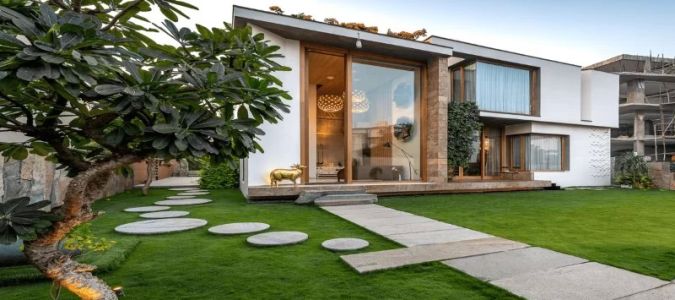
One key element of minimalist architecture is the use of natural materials such as wood, stone, and glass. These materials don’t need to be overly polished or adorned; their inherent beauty speaks for itself. I’ve noticed that when natural materials are incorporated into designs, they create a sense of connection to the environment and provide warmth, even in the simplest spaces. This connection to nature is something that resonates with many architects and homeowners alike, and it’s why natural materials have become such a staple in modern minimalist architecture.

2.2. Open, Uncluttered Spaces

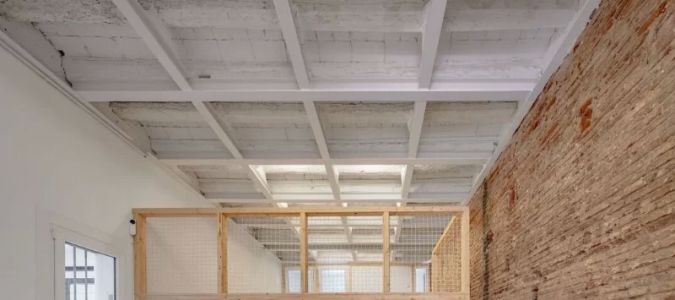
Another hallmark of minimalist design is the creation of open, uncluttered spaces. Gone are the days of cramped, over-decorated rooms. Modern minimalist spaces emphasize open floor plans and a sense of flow, allowing for maximum flexibility. This type of design helps reduce distractions and promotes a sense of calm and tranquility. I’ve always been drawn to spaces where the walls seem to fade away, and the room breathes with a sense of openness. This openness doesn’t just apply to interior spaces but also extends to how the structure interacts with the outdoors.

3. Benefits of Simplicity in Architectural Design

So, why are architects moving towards simplicity in design? The benefits of simplicity go far beyond just visual appeal. In fact, simplicity offers a range of practical, emotional, and environmental benefits that have made it a favored approach in modern architecture.

3.1. Increased Functionality

Simplicity in architecture is often synonymous with greater functionality. By removing unnecessary details, architects can create spaces that are more practical and user-friendly. For example, open floor plans, a staple of minimalist design, provide greater flexibility and ease of movement within a home. Simple, efficient layouts make better use of space and make it easier for residents to enjoy their environment without feeling cramped or overwhelmed.

Additionally, minimalism in design often leads to fewer materials being used, which can help reduce the overall cost of construction. This focus on functionality ensures that every space has a purpose and that there is no wasted space or unnecessary clutter.

3.2. Emotional and Mental Well-being

There’s also a psychological benefit to simplicity. When we live in spaces that are cluttered or overly complicated, it can contribute to feelings of stress or anxiety. On the other hand, minimalist environments promote a sense of peace, focus, and mental clarity. I’ve personally found that spending time in spaces with clean lines and open areas helps me feel more relaxed and focused. In fact, studies have shown that minimalist environments can lead to lower stress levels and a greater sense of well-being.

3.3. Sustainability and Environmental Impact

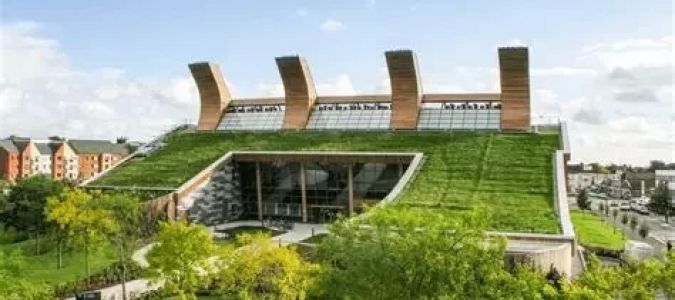
In today’s world, sustainability is a growing concern, and minimalism in architecture can also contribute to reducing a building’s environmental footprint. By using fewer materials and focusing on energy-efficient designs, minimalist architecture aligns with eco-conscious practices. Sustainable materials, energy-efficient windows, and natural ventilation all contribute to creating homes that are better for the environment. With climate change and sustainability being major global challenges, simplicity in design offers a practical way to reduce waste and minimize energy consumption.

4. Real-Life Examples of Simple Architecture

There’s no shortage of stunning examples of minimalist architecture that demonstrate how simplicity can be both beautiful and functional. One example that I find particularly inspiring is the Glass House designed by architect Philip Johnson. This iconic building in New Canaan, Connecticut, showcases the power of simplicity with its transparent walls and open spaces. The use of glass creates a seamless connection between the interior and the surrounding nature, allowing the landscape to become part of the design itself. It’s a prime example of how simplicity can create a sense of harmony with the environment.

Another fantastic example is the Villa Savoye by Le Corbusier in Poissy, France. Known for its clean lines, open floor plan, and use of pilotis (supporting columns), the villa epitomizes the principles of modernism and minimalism. It’s a perfect example of how simplicity in design can lead to spaces that are timeless, functional, and visually striking.

5. Recommendations from 10 Jay Street

If you’re inspired by the simplicity and elegance of minimalist design and are considering implementing these principles in your own home or office, 10 Jay Street offers expert advice and resources. Whether you're looking for minimalist furniture, sustainable materials, or design guidance, 10 Jay Street provides solutions that align with modern architectural trends. Explore their range of offerings to create a space that reflects the beauty of simplicity and functionality.

More

The Role of Architects in Creating Vibrant Urban Spaces – A Vision for the Future

The Role of Architects in Creating Vibrant Urban Spaces – A Vision for the Future

Explore how architects shape vibrant urban spaces through design, community engagement, and sustainability. Learn about the vital role they play in enhancing cities.

Mar 02, 2026
How Architecture is Evolving to Meet the Demands of Future Generations

How Architecture is Evolving to Meet the Demands of Future Generations

Explore how architecture is evolving to meet the demands of future generations. Discover sustainable and eco-friendly design trends, and learn how modern architecture is adapting to future needs.

Mar 02, 2026
Why Energy Efficiency Should Be a Top Priority for Architects in Every Design Decision

Why Energy Efficiency Should Be a Top Priority for Architects in Every Design Decision

Discover why architects must prioritize energy efficiency in every design decision. Learn how sustainable and energy-efficient design practices can impact the environment and reduce long-term costs.

Mar 01, 2026
How to Incorporate Passive Design Features into Your Building Project

How to Incorporate Passive Design Features into Your Building Project

Learn how to incorporate passive design features into your building project. Discover how these sustainable strategies improve energy efficiency, reduce costs, and create comfortable living spaces.

Mar 01, 2026
How to Bring Nature Into Your Interior Design with Architecture

How to Bring Nature Into Your Interior Design with Architecture

Discover how to incorporate nature into your interior design with architecture. Learn about biophilic design, natural materials, and more for a healthier, more inspiring space.Incorporating Nature Into Interior Design: A Natural Approach Why Bring Nature Into Your Interior Design? Principles of Biophilic Design Using Natural Materials in Architecture How Greenery and Plants Enhance Interiors Creating Nature-Inspired Spaces in Your Home1. Why Bring Nature Into Your Interior Design?When I first decided to transform my living space, I was drawn to the idea of incorporating nature into the design. There’s something incredibly soothing and calming about the natural world, and I wanted my home to reflect that tranquility. Bringing nature into interior design isn’t just about aesthetics; it’s about creating an environment that nurtures well-being, fosters relaxation, and reconnects us with the outdoors, especially in urban spaces.What I’ve learned over time is that nature-inspired design has numerous benefits. It can reduce stress, improve mood, and even increase productivity. Whether you're renovating a single room or designing your entire home, incorporating natural elements can create a healthier and more inspiring space. Plus, it’s a fantastic way to introduce warmth and life into any interior.2. Principles of Biophilic DesignBiophilic design is a term that’s been gaining popularity in the architecture and interior design world, and for good reason. It refers to the practice of connecting people to nature through design elements. There are several core principles of biophilic design that I’ve used to guide my approach to incorporating nature into my space: Natural Light: One of the most fundamental elements is bringing in as much natural light as possible. This can be achieved through large windows, skylights, or light-colored walls that reflect light. I’ve found that natural light has a profound effect on mood and energy levels. Natural Materials: Using materials such as wood, stone, and bamboo can make a huge difference in creating an authentic, nature-inspired atmosphere. Natural materials not only add texture and depth but also create a connection to the earth. Indoor Plants: Integrating greenery into your space is another key principle. Plants not only purify the air but also bring color, life, and vibrancy to any room. I’ve found that placing a few large houseplants or even creating a small indoor garden adds a refreshing touch. Water Features: Incorporating elements of water, such as small indoor fountains or water walls, can enhance the sensory experience of a space. The sound of flowing water is both calming and grounding, and it’s something I’ve incorporated into my bathroom and living areas.3. Using Natural Materials in ArchitectureOne of the most powerful ways to incorporate nature into interior design is by using natural materials in architecture. These materials not only create beautiful spaces but also promote a sustainable and eco-friendly approach to design. Here are a few materials that I highly recommend considering: Wood: Wood has a timeless quality that can warm up any space. Whether it’s in the form of hardwood floors, exposed beams, or wooden furniture, wood instantly connects a space to nature. It’s an essential part of the biophilic design that I incorporate into my home, whether through polished oak floors or reclaimed wood furniture. Stone: From marble countertops to slate walls, stone adds an earthy elegance to any interior. It’s durable and offers a sense of permanence that makes it a perfect material for both modern and rustic homes. Bamboo: Bamboo is not only sustainable but also incredibly versatile. I’ve seen it used in everything from flooring and furniture to light fixtures. It’s a great choice for creating an eco-friendly home that’s still chic and stylish.Incorporating these materials into your space creates a sense of grounding and connection to the earth, while also adding texture and interest. Whether you're designing a contemporary urban apartment or a countryside home, using natural materials helps foster a welcoming and balanced environment.4. How Greenery and Plants Enhance InteriorsWhen I added plants to my space, it was an immediate game changer. Greenery has an amazing ability to transform a room, adding both visual appeal and a sense of vitality. Plants are also known for their health benefits—they improve indoor air quality by removing toxins and releasing oxygen.I recommend starting with a few indoor plants that are easy to care for, such as peace lilies, snake plants, or succulents. These plants can thrive in low light and require minimal maintenance, making them perfect for beginners. As I added more plants to my space, I noticed that they not only brightened up the room but also created a more relaxing and calming atmosphere.For those who want to take it a step further, consider creating an indoor garden or even growing herbs in your kitchen. Having plants in every room of the house is a simple yet effective way to integrate nature into your interior design.5. Creating Nature-Inspired Spaces in Your HomeOnce I understood the principles of biophilic design, I was able to create specific spaces that truly reflected nature. Here are some ideas for incorporating nature into different areas of your home: Living Room: I focused on making my living room feel like an extension of the outdoors by using natural wood furniture, soft textiles, and plenty of indoor plants. I also created a small reading nook with lots of natural light where I could relax and connect with nature. Kitchen: In my kitchen, I added natural stone countertops, bamboo shelves, and a herb garden by the window. This small addition not only made the space more beautiful but also practical. Bedroom: For the bedroom, I used a calming color palette inspired by nature—earthy tones like greens, browns, and soft whites. A large potted plant in the corner and a few wood accents created a serene and restful environment.The key to creating nature-inspired spaces is to focus on simplicity and tranquility. Whether you’re designing a room from scratch or just looking to refresh your space, incorporating elements from nature will create a calm and welcoming environment.If you’re looking for unique pieces or expert advice on incorporating nature into your home design, check out 10 Jay Street. They offer a variety of products and services that can help you create a nature-inspired home that’s as beautiful as it is functional.

Mar 01, 2026
The Role of Architects in Creating Smart Cities

The Role of Architects in Creating Smart Cities

Learn The Role of Architects in Creating Smart Cities and how architects design sustainable, connected urban environments with innovative planning and smart infrastructure.

Feb 28, 2026