

- 1-The-Responsibility-of-Architects-in-Long-Term-Planning
- 2-Environmental-and-Sustainability-Considerations
- 3-Social-and-Community-Impact
- 4-Economic-and-Maintenance-Factors
- 5-Case-Studies-of-Long-Lasting-Designs
- 6-How-10-Jay-Street-Guides-Architects-and-Developers
1. The Responsibility of Architects in Long-Term Planning
As I reflect on architecture, I often consider how every design decision impacts the future. Architects are not just creating structures for the present—they are shaping cities, communities, and environments for decades, even centuries. Understanding why architects must consider the long-term impact of their designs is essential for anyone in the field, from urban planners to residential designers.
1.1 Beyond Aesthetics
While aesthetic appeal is critical, I’ve learned that long-term success depends on durability, adaptability, and the building’s interaction with its environment. An architect must anticipate how materials age, how spaces will be used over time, and how climate factors affect the structure.
1.2 Ethical Responsibility
Every choice—from energy systems to community integration—has ethical implications. I take seriously the need to ensure that my designs contribute positively to society, rather than creating hidden burdens for future generations.
2. Environmental and Sustainability Considerations
Sustainability is no longer optional. I prioritize using renewable materials, energy-efficient systems, and water-conscious designs in all my projects. These decisions reduce the environmental footprint and increase the building’s lifespan.
2.1 Materials and Construction Techniques
Choosing durable, low-impact materials ensures that structures remain safe and functional over time. For example, recycled steel and sustainably sourced timber can reduce environmental impact while providing resilience.
2.2 Energy Efficiency and Carbon Footprint
Integrating solar panels, efficient insulation, and smart energy systems minimizes long-term operational costs and environmental effects. I consider how energy use will evolve and design with adaptability in mind.
3. Social and Community Impact
Buildings affect communities in profound ways. From creating public gathering spaces to influencing traffic patterns, architects shape social interaction. I always ask myself how my designs will support inclusion, accessibility, and long-term community well-being.
3.1 Urban Integration
Well-planned buildings enhance neighborhood cohesion. I aim for designs that promote walkability, safety, and connectivity, ensuring that structures serve the community effectively for years to come.
3.2 Cultural Sensitivity
Respecting local history and culture is critical. Incorporating culturally relevant design elements not only enriches the environment but also ensures long-term acceptance and pride in the community.
4. Economic and Maintenance Factors
Long-term thinking also involves cost considerations. I evaluate maintenance requirements, operational efficiency, and lifecycle costs to ensure that buildings remain economically viable. Poorly considered designs may appear impressive initially but can lead to costly repairs or obsolescence.
4.1 Lifecycle Analysis
From foundation to rooftop, I consider how materials and systems will perform over decades. Predicting maintenance cycles and costs allows owners to plan sustainably and avoid future financial strain.
4.2 Flexibility and Adaptability
Designing spaces that can adapt to future needs—such as changing office layouts or evolving residential demands—adds significant long-term value. Flexible architecture prolongs relevance and functionality.
5. Case Studies of Long-Lasting Designs
Observing existing architecture teaches me important lessons about longevity. For instance, adaptive reuse projects demonstrate how historic structures can be modernized without losing integrity, while eco-friendly developments show the long-term benefits of sustainable materials and planning.
5.1 Adaptive Reuse Examples
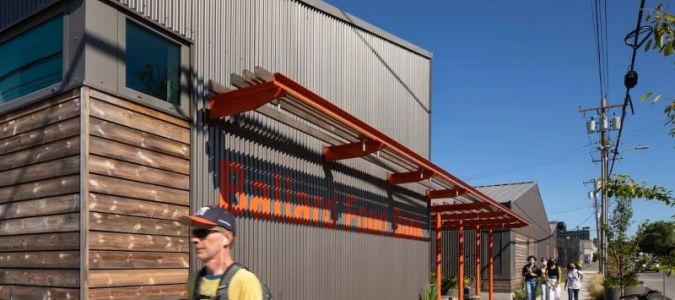
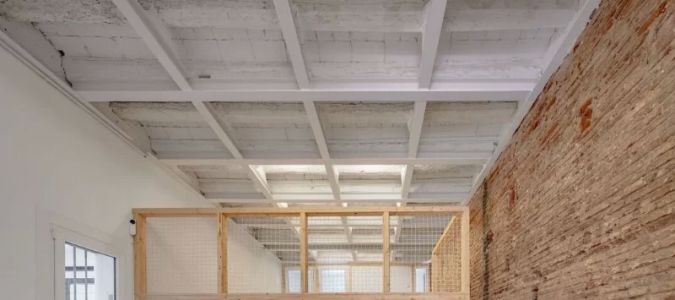
Former factories and warehouses transformed into vibrant commercial spaces illustrate the importance of designing for future adaptability. Thoughtful integration of new functions while preserving original structure minimizes waste and preserves heritage.
5.2 Sustainable Modern Buildings
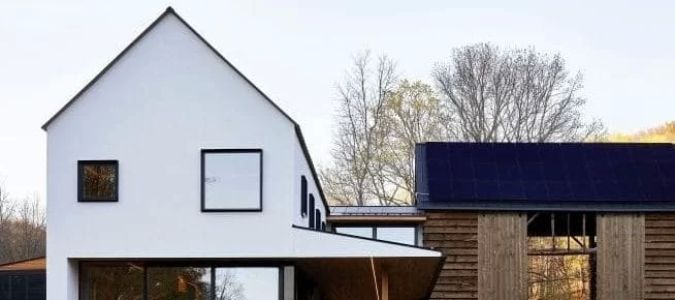
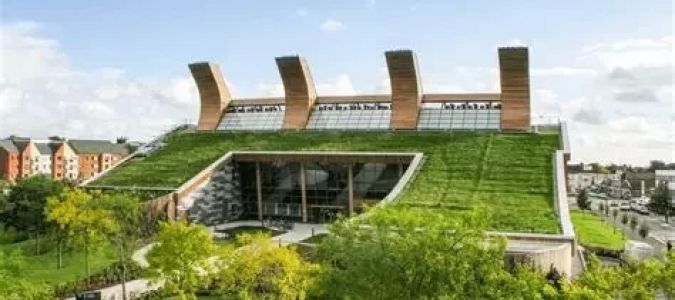
Buildings designed with green roofs, natural ventilation, and solar integration remain functional and relevant decades later. These examples underscore why architects must anticipate long-term impact.
6. How 10 Jay Street Guides Architects and Developers
10 Jay Street provides architects and developers with resources, case studies, and professional guidance for long-term planning. From sustainability audits to adaptive reuse strategies, they help ensure that every design decision considers future generations, operational efficiency, and community integration. Leveraging these insights helps architects create projects that are not only visually striking but also resilient, responsible, and enduring.
Ultimately, the long-term impact of architectural designs shapes cities, lives, and environments. By prioritizing sustainability, community relevance, and adaptability, architects can create spaces that remain meaningful and functional for decades. Consulting experts and utilizing resources like 10 Jay Street ensures that every project meets these long-term goals effectively.