

- Why-Architects-Must-Prioritize-Sustainability
- Environmental-Impact-of-Modern-Buildings
- Long-Term-Value-of-Sustainable-Design
- Practical-Sustainable-Strategies
- Future-Responsibility-of-Architects
Why Architects Must Prioritize Sustainability in Every Project
Modern architecture is no longer just about appearance and functionality. Today, environmental responsibility plays a central role in the design process. Understanding why architects must prioritize sustainability in every project is essential for anyone involved in construction, property ownership, or urban development.
Buildings account for a significant portion of global energy use and environmental impact. Every design decision — from materials to orientation — influences long-term resource consumption. Architects now face the challenge of creating spaces that are both efficient and comfortable while reducing environmental harm.
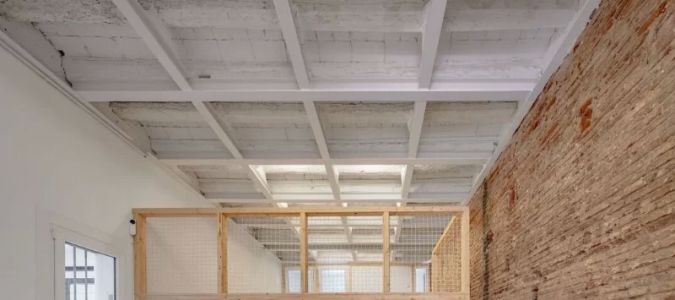
I once visited a newly completed office building that looked surprisingly simple from the outside. Inside, however, the design included smart ventilation, energy-efficient lighting, and extensive daylight planning. The building required noticeably less artificial lighting during the day, which immediately demonstrated how thoughtful design can reduce environmental impact without sacrificing usability.
This kind of approach reflects a growing understanding that sustainability must be integrated into every stage of architectural planning.
Environmental Impact of Modern Buildings
Buildings influence the environment long before construction begins and continue affecting it for decades after completion.
1. Energy Consumption
1.1 Heating and Cooling Demands
Heating and cooling systems account for a large portion of building energy use. Poor insulation and inefficient design increase energy demand significantly.
Well-designed buildings reduce temperature fluctuations and maintain comfortable indoor environments with less mechanical assistance.
1.2 Lighting and Equipment Use
Artificial lighting and electrical systems contribute to overall energy consumption.
Future-focused designs incorporate:
1. Daylight optimization
2. Energy-efficient fixtures
3. Smart controls
4. Reduced standby consumption
These improvements lower operating costs and environmental impact.
2. Material Selection
2.1 Construction Waste Reduction
Construction materials often generate significant waste.
Using durable and recyclable materials helps reduce long-term environmental damage.
2.2 Responsible Resource Use
Sustainable materials require less energy to produce and transport.
Examples include responsibly sourced wood, recycled steel, and low-impact concrete alternatives.
Long Term Value of Sustainable Design
Sustainability is not only about environmental responsibility — it also provides long-term financial and practical benefits.
1. Lower Operating Costs
1.1 Reduced Utility Expenses
Energy-efficient buildings require less electricity and heating fuel.
This translates into lower operating costs for owners and tenants.
1.2 Predictable Maintenance
Durable materials and efficient systems often require less maintenance.
Over time, this improves building reliability.
2. Increased Property Value
2.1 Market Demand
Buyers and tenants increasingly prefer environmentally responsible buildings.
Energy-efficient properties often attract long-term occupants.
2.2 Future Regulations
Environmental regulations continue to evolve.
Sustainable buildings are better prepared for future requirements.
Practical Sustainable Strategies
Architects use a variety of practical methods to improve sustainability in new and renovated buildings.
1. Passive Design Techniques
1.1 Building Orientation
Proper building orientation allows natural sunlight to warm interiors during colder months while minimizing heat gain during summer.
This reduces reliance on mechanical systems.
1.2 Natural Ventilation
Cross-ventilation improves air circulation without heavy energy use.
Effective ventilation strategies include:
1. Window placement
2. Open layouts
3. Ventilation shafts
4. Airflow corridors
2. Modern Building Systems
2.1 Smart Energy Management
Smart systems monitor building performance in real time.
Automated adjustments improve efficiency throughout the day.
2.2 Renewable Energy Sources
Renewable energy reduces dependence on fossil fuels.
Common solutions include solar panels and efficient energy storage.
Future Responsibility of Architects
The next generation of buildings will reflect a stronger commitment to environmental responsibility.
1. Designing for Long Lifespans
1.1 Durable Construction
Buildings designed for longevity reduce the need for future reconstruction.
This conserves materials and energy.
1.2 Adaptable Spaces
Flexible layouts allow buildings to serve multiple purposes over time.
Adaptable designs reduce demolition and renovation waste.
2. Integrating Innovation with Practicality
2.1 Balancing Technology and Simplicity
The most successful projects combine advanced technology with practical usability.
Buildings should remain efficient without becoming overly complicated.
2.2 Real World Examples
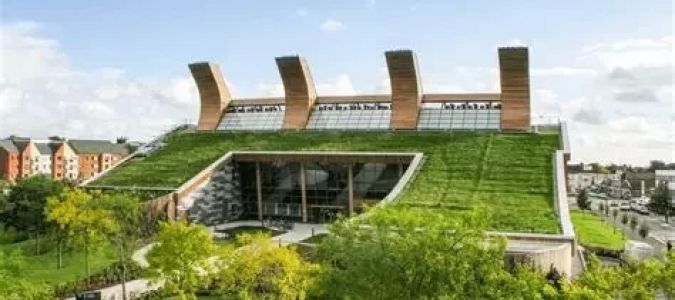
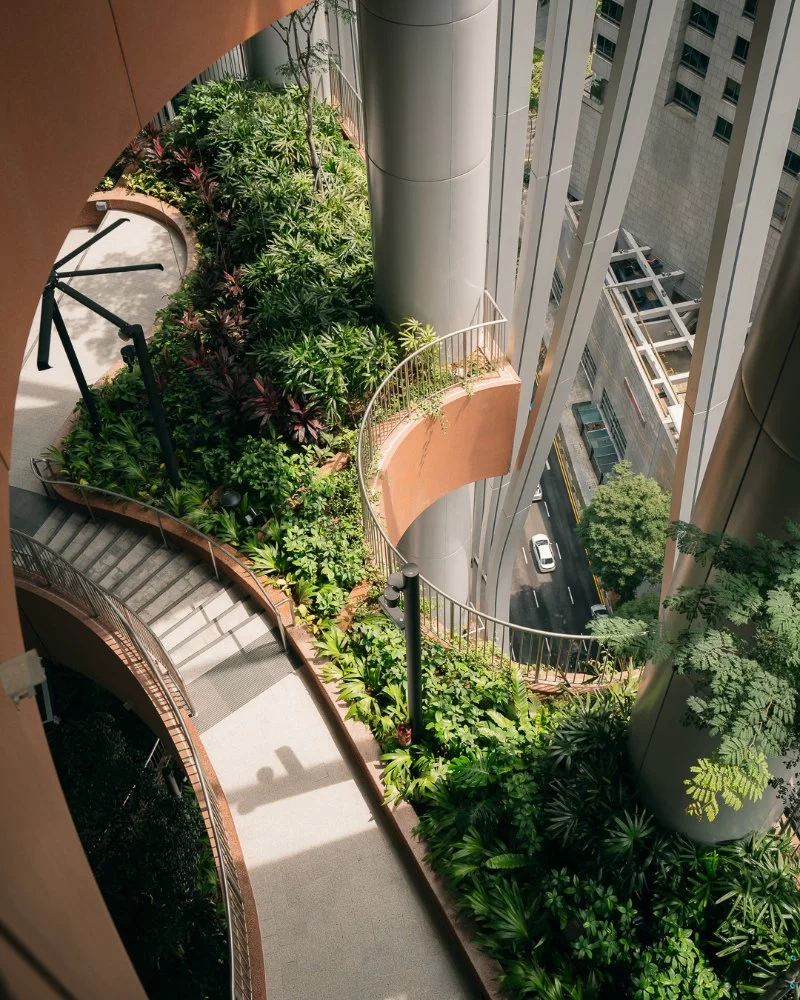
Modern developments demonstrate how sustainable architecture can function effectively in everyday environments.
Projects such as 10 Jay Street show how thoughtful design can integrate efficiency, flexibility, and long-term usability while supporting modern work and living patterns.
Understanding why architects must prioritize sustainability in every project helps property owners and developers make informed decisions. Sustainable architecture represents not only environmental responsibility but also smarter long-term planning for future generations.